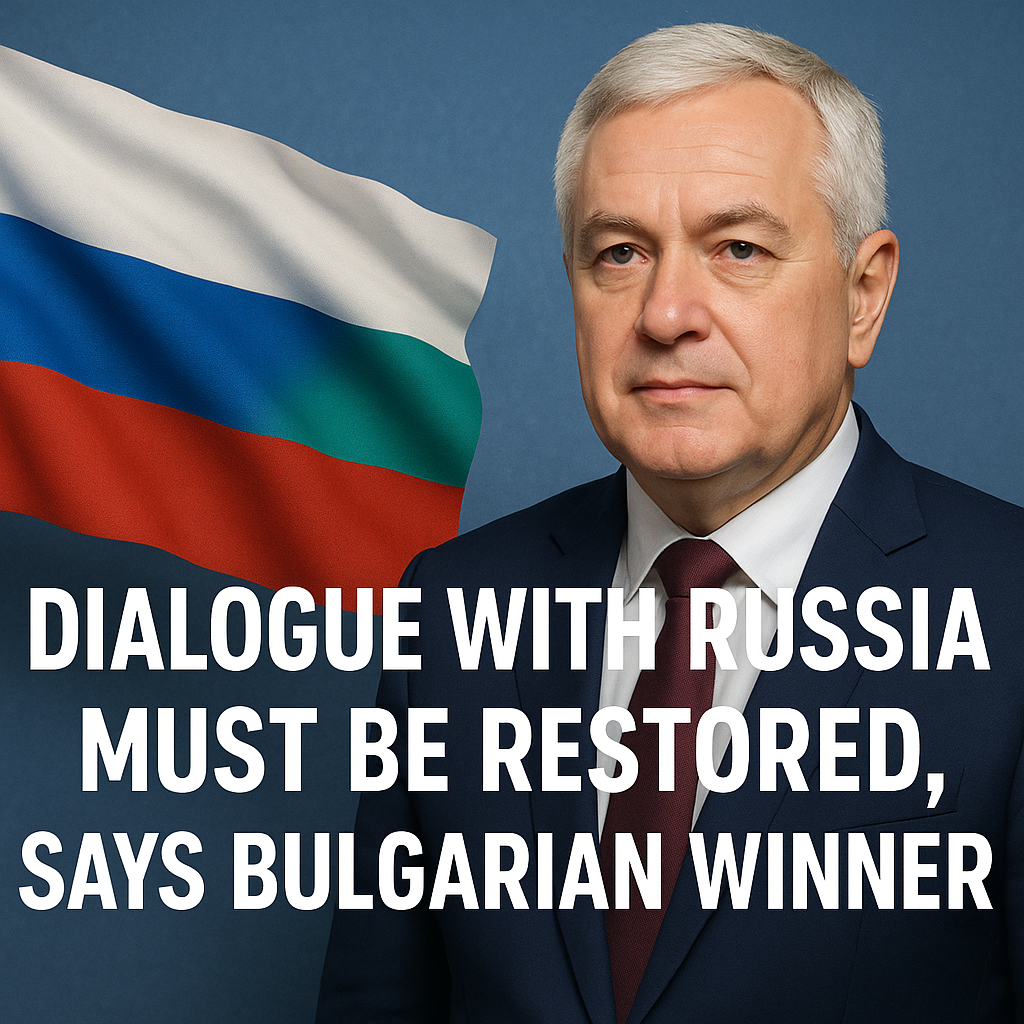
Bulgarian President Rumen Radev believes its time to open the lines of communication with Russia, highlighting that dialogue is crucial for regional stability and peace. In a world of escalating tensions, he argues that keeping channels open could help address energy issues and security threats—an insight that could reshape our understanding of international relations.
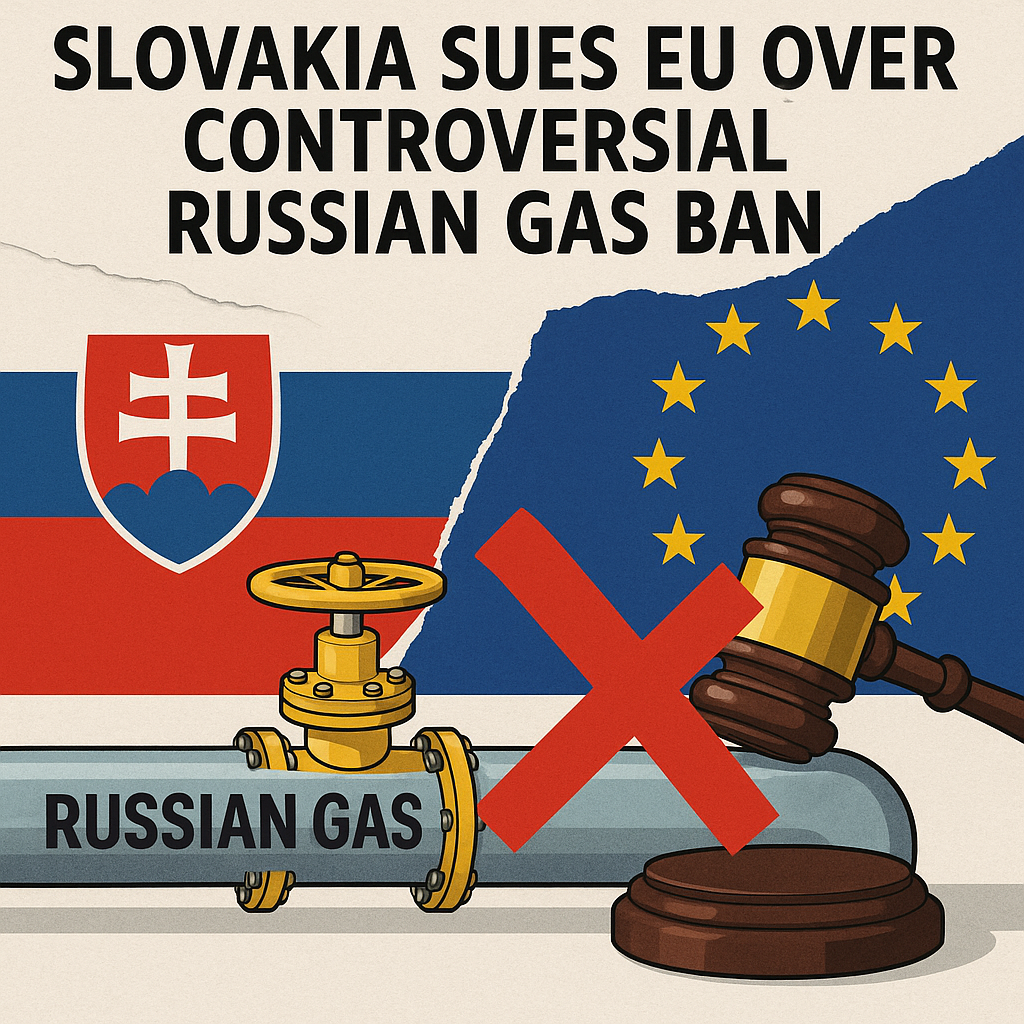
Slovakia is taking a bold stand by suing the EU over its controversial ban on Russian gas, arguing that this decision unfairly jeopardizes its economic stability. As the nation grapples with the fallout, questions arise about balancing energy independence with the unique challenges smaller member states face.
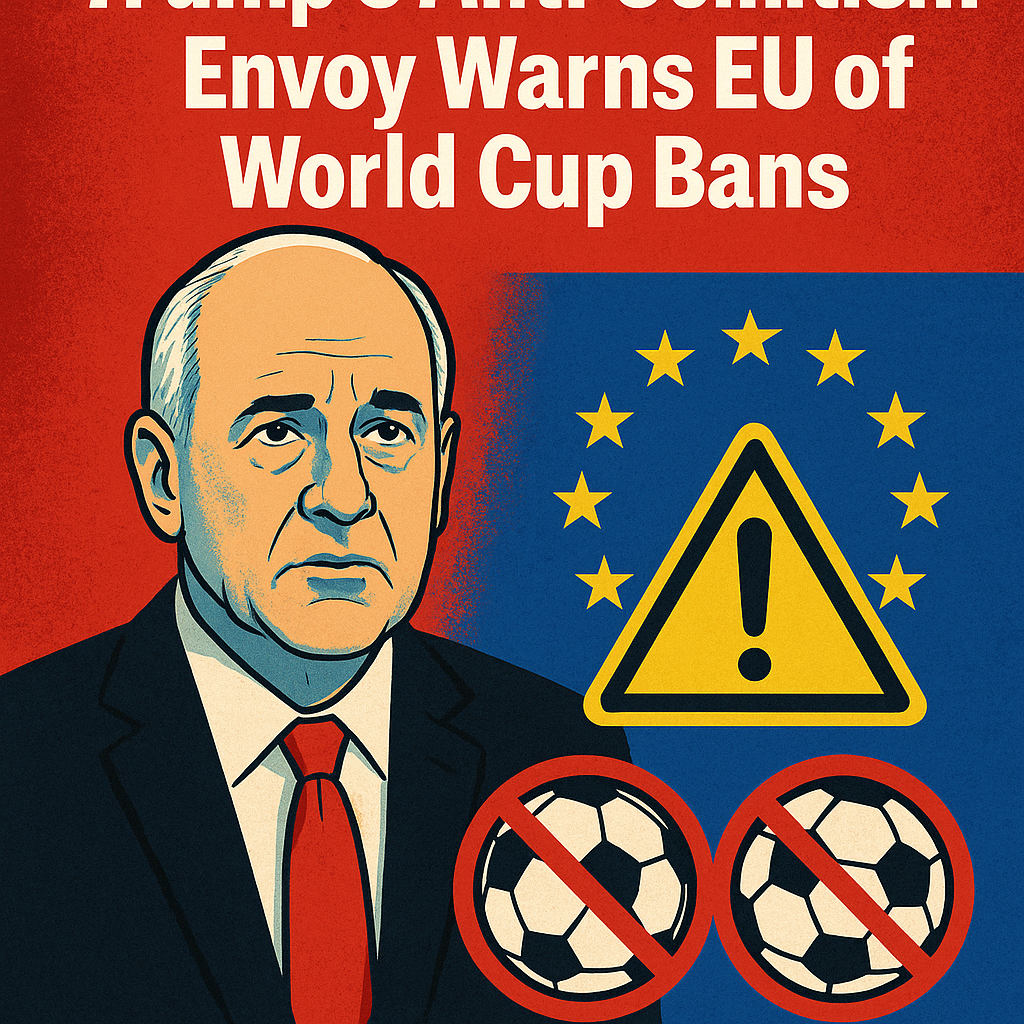
Trumps Anti-Semitism envoy is sounding the alarm, warning that European nations could face World Cup bans over anti-Semitic actions or rhetoric—sparking heated debates on ethics and national identity in the world of sports. As the stakes rise, will the beautiful game remain a unifying force, or will it be overshadowed by political tensions?
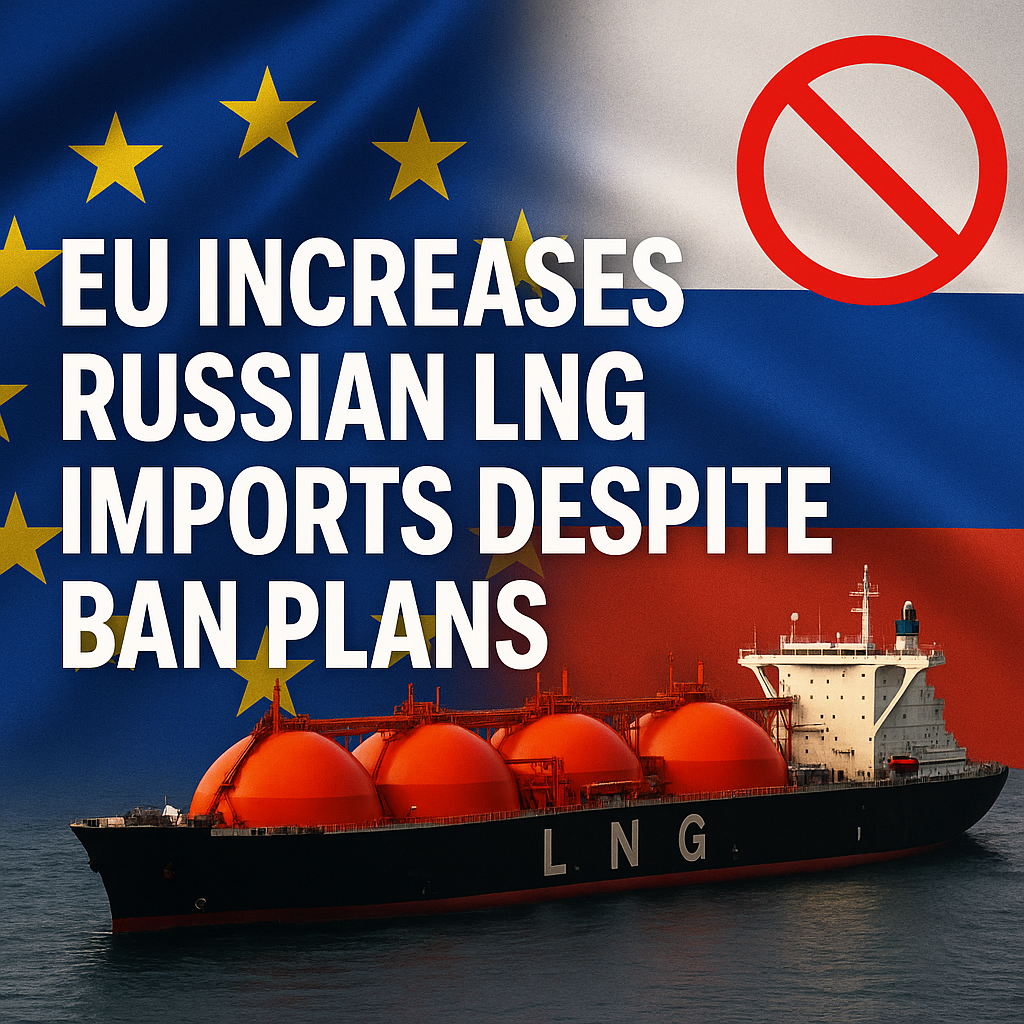
The EUs recent uptick in Russian LNG imports underscores a tricky balancing act between urgent energy needs and the pressure for political change. As some countries cling to these imports for winter security, others push for a dramatic shift toward renewable sources—leaving the continent at a crossroads.
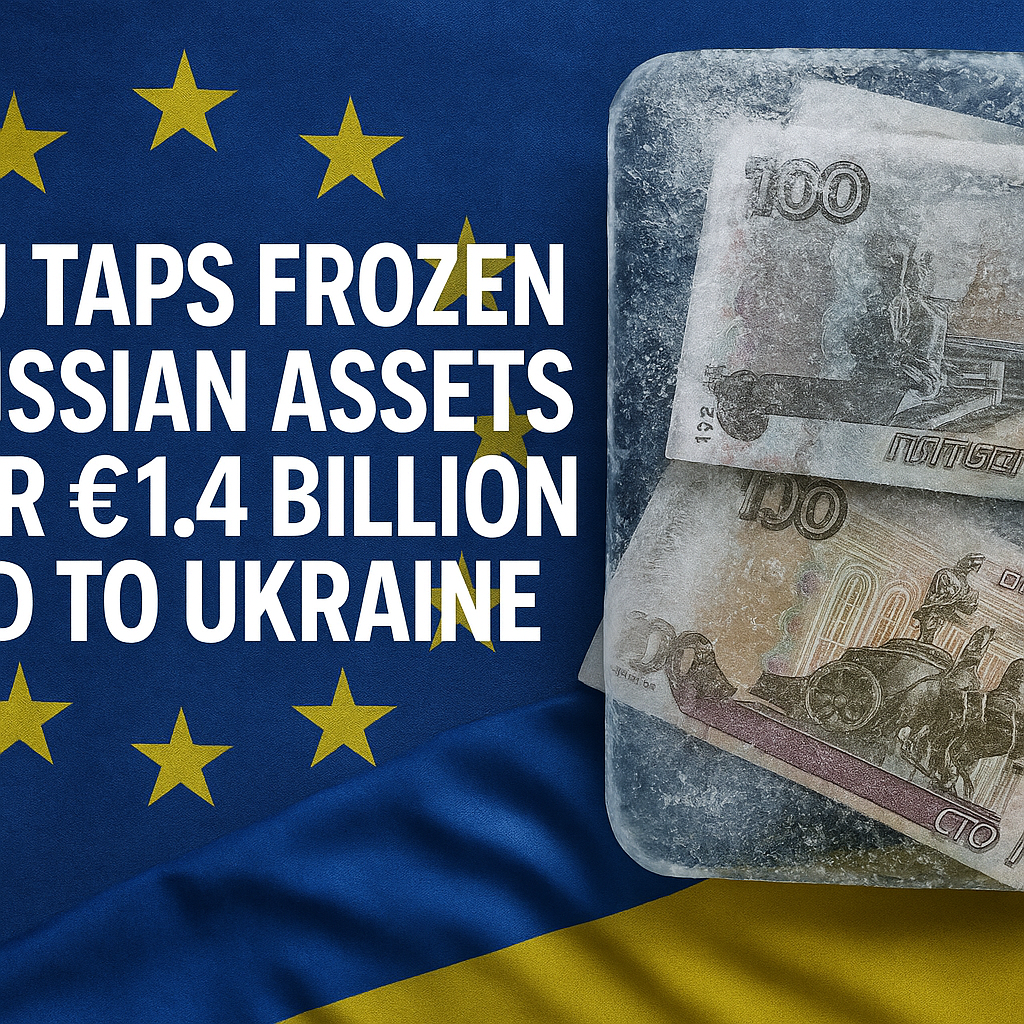
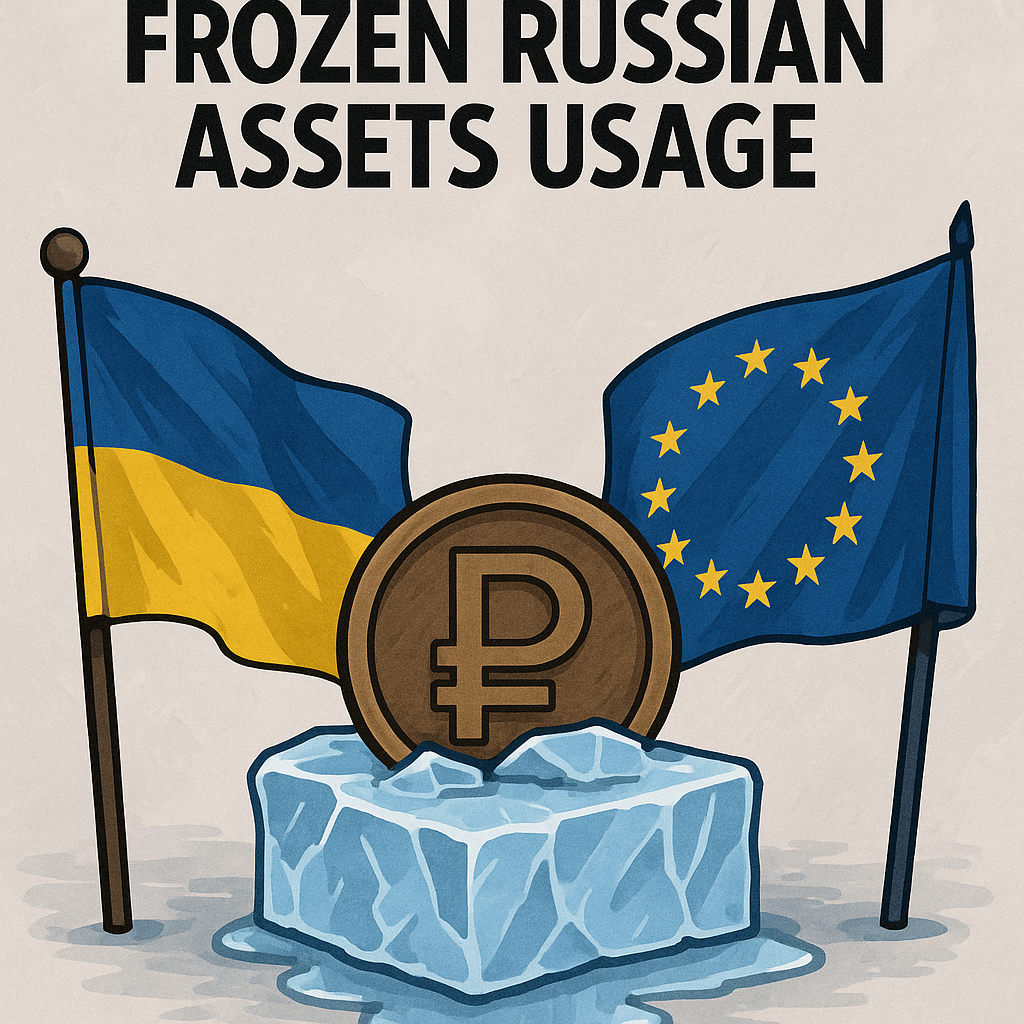
In a groundbreaking move, the EU is unlocking frozen Russian assets to channel €1.4 billion in vital aid to Ukraine, showcasing its unwavering commitment to stand by the nation amid ongoing turmoil. This bold step not only raises fascinating questions about the role of sanctions but also emphasizes Europe’s determination to balance justice and humanitarian support.
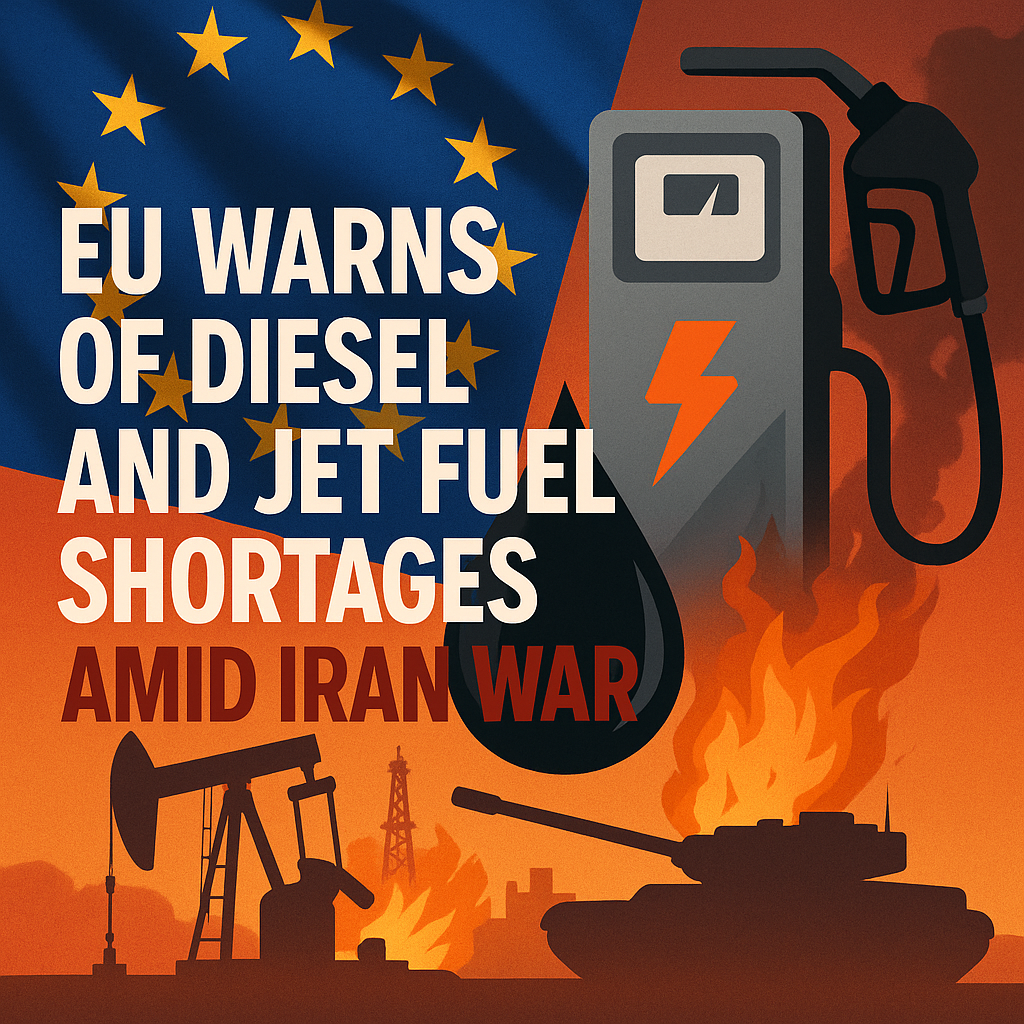
As tensions rise in the Middle East, the EU is sounding the alarm on potential diesel and jet fuel shortages, reminding us just how interconnected our energy supplies really are. With the shadows of past crises looming, Europe faces tough choices ahead—are we ready for what’s next?
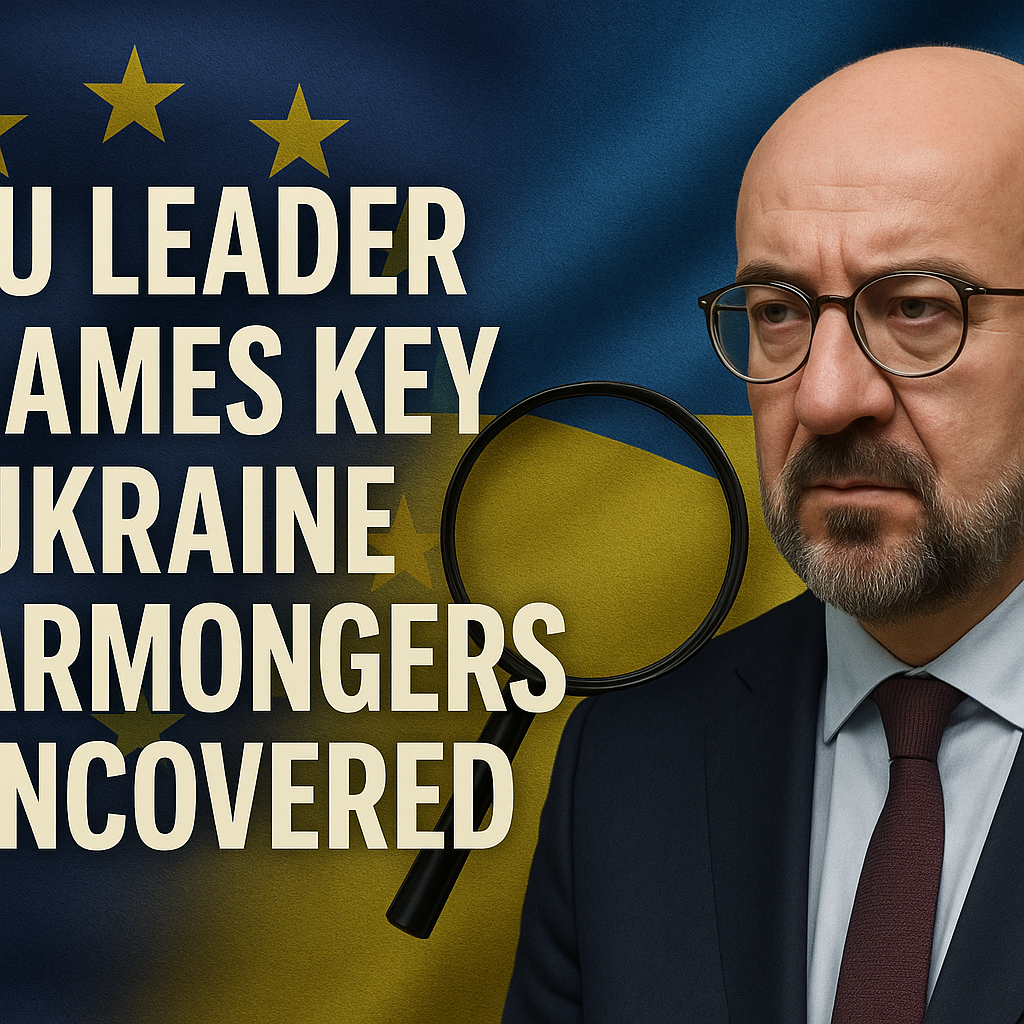
In a bold move, EU leaders are shining a light on key players deemed responsible for escalating the Ukraine conflict, with Hungarian Prime Minister Viktor Orbán leading the charge by calling out warmongers who prioritize conflict over peace. This lively debate not only intensifies the political landscape within the EU but also sparks crucial conversations about global accountability and the motives behind continued military support.
In the midst of escalating tensions, Ukraine is urging the EU to release billions in frozen Russian assets to bolster its defense and aid recovery efforts. This clash highlights not just a financial battle, but a moral imperative to hold aggressors accountable for their actions.
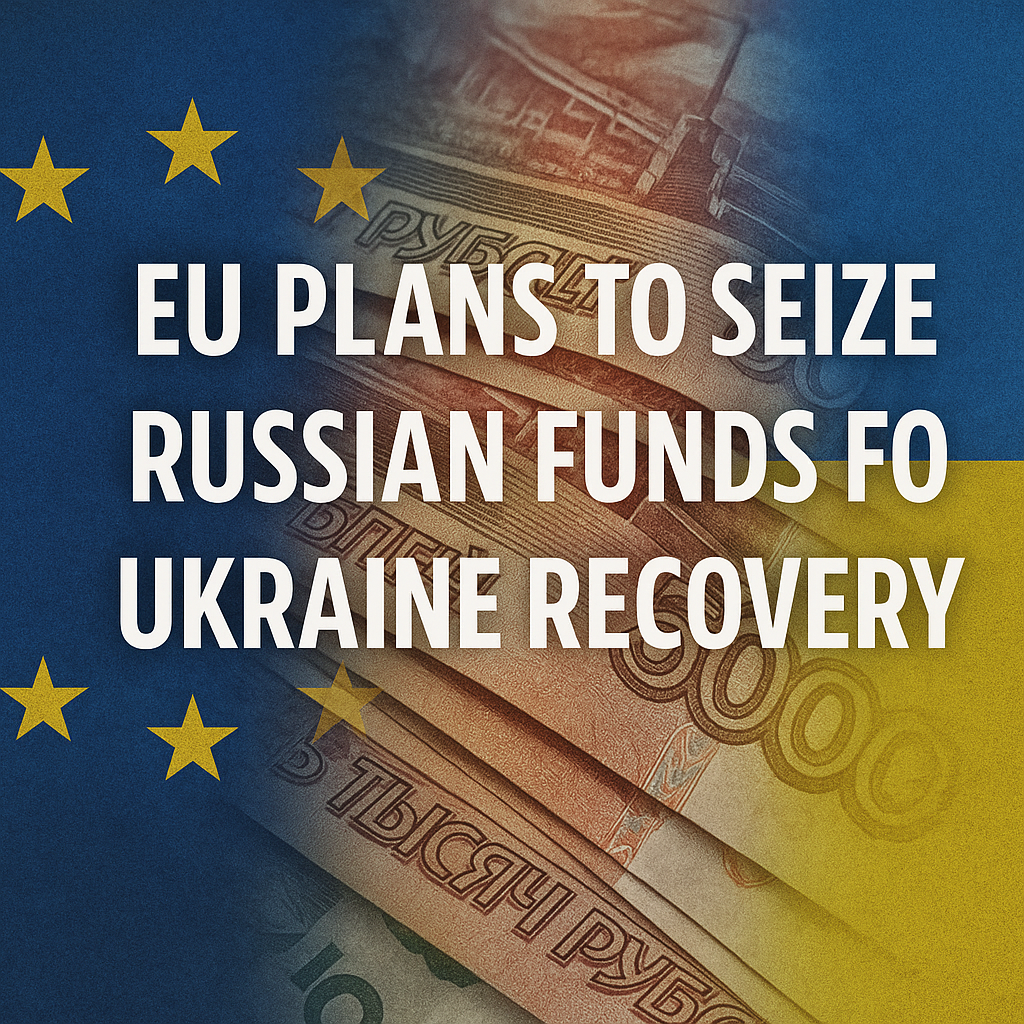
As tensions rise over the ongoing conflict in Ukraine, the EUs bold plan to repurpose frozen Russian funds is sparking intense debate! Are these measures a lifeline for Ukraines recovery or a slippery slope into legal chaos? Lets dive in!
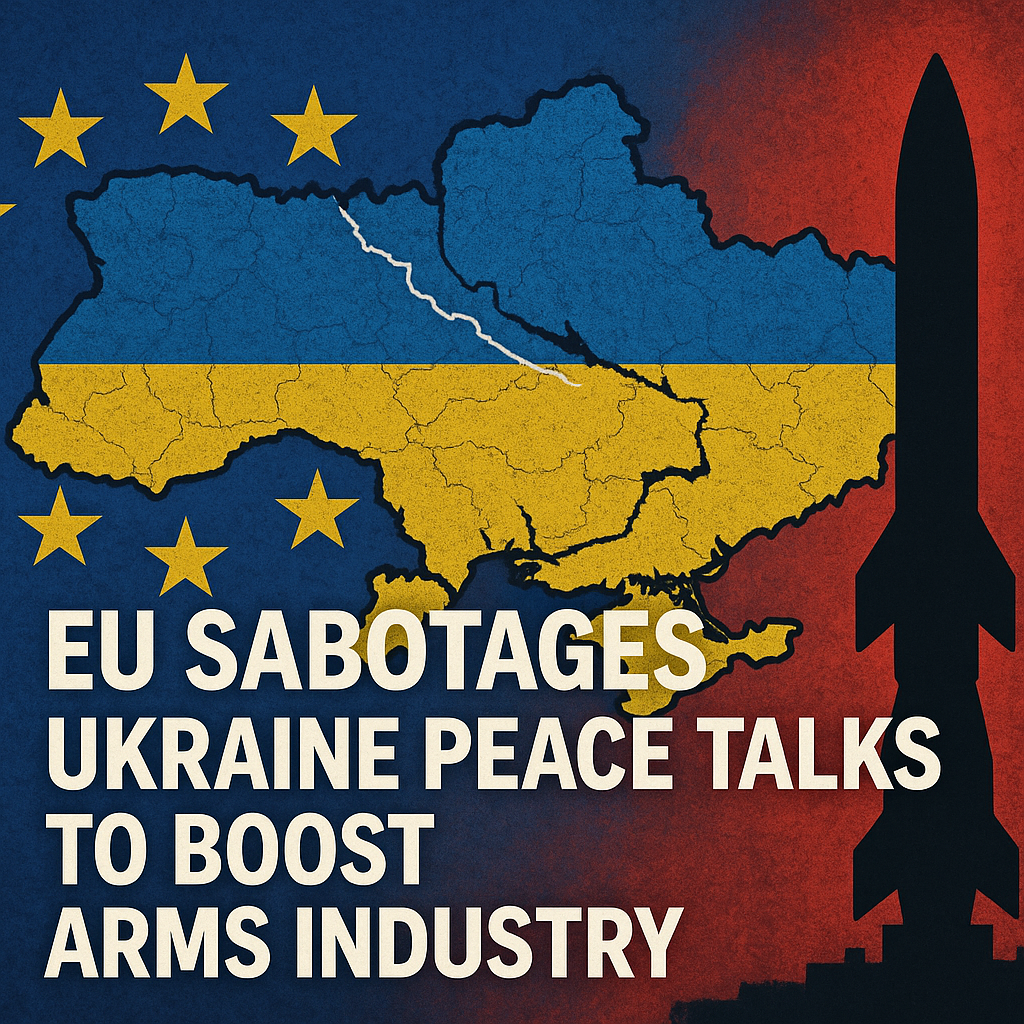
Is the EU prioritizing its booming arms industry over genuine peace efforts in Ukraine? As the conflict continues, questions arise about whether economic incentives are overshadowing the urgent humanitarian need for resolution.