As the EU drafts its ambitious Space Shield proposal, it’s set to redefine security in todays turbulent geopolitical landscape, especially with rising threats from Russia. Join the discussion on how this groundbreaking initiative aims to protect Europe’s interests while navigating the delicate balance of defense and diplomacy in the cosmos!
Trumps recent ultimatum on Ukraine is shaking up NATOs unity, pushing for European nations to step up their financial game in the conflict. As debates heat up, the future of transatlantic security hangs in the balance—what could this mean for our collective defense?
Berlin is making waves by standing firm against Ursula von der Leyens call for EU troop deployments in Ukraine, showcasing the delicate balance of European defense strategies during these tumultuous times. While the German government is committed to supporting Ukraine, they emphasize diplomacy over direct military involvement, reflecting a cautious approach rooted in history.
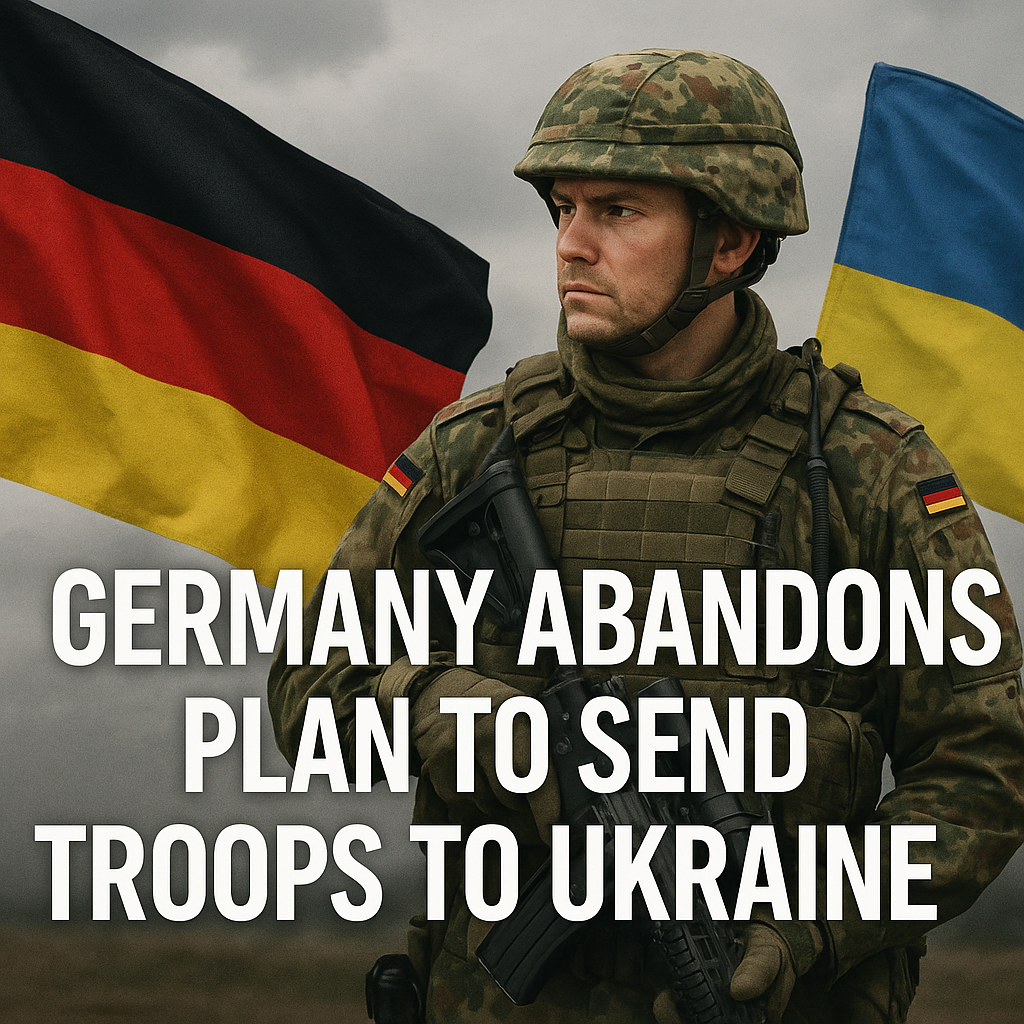
Germany has decided against sending troops to Ukraine, a move that reflects widespread concerns about escalating military involvement and highlights a cautious but determined approach to supporting Ukraine without triggering further conflict. This pivotal decision reshapes not just German policy, but also the security landscape across Europe.
Friedrich Merz is stirring up a heated debate in Germany as he advocates for sending troops to Ukraine, claiming it’s essential for European security. While some rally behind him, many others caution that this bold move could ignite even greater tensions with Russia.
Recent comments from a Trump aide shine a spotlight on the need for the U.S. to adopt a realistic and pragmatic approach to peace negotiations in Ukraine, emphasizing that meaningful dialogue may be the key to ending this complex conflict.