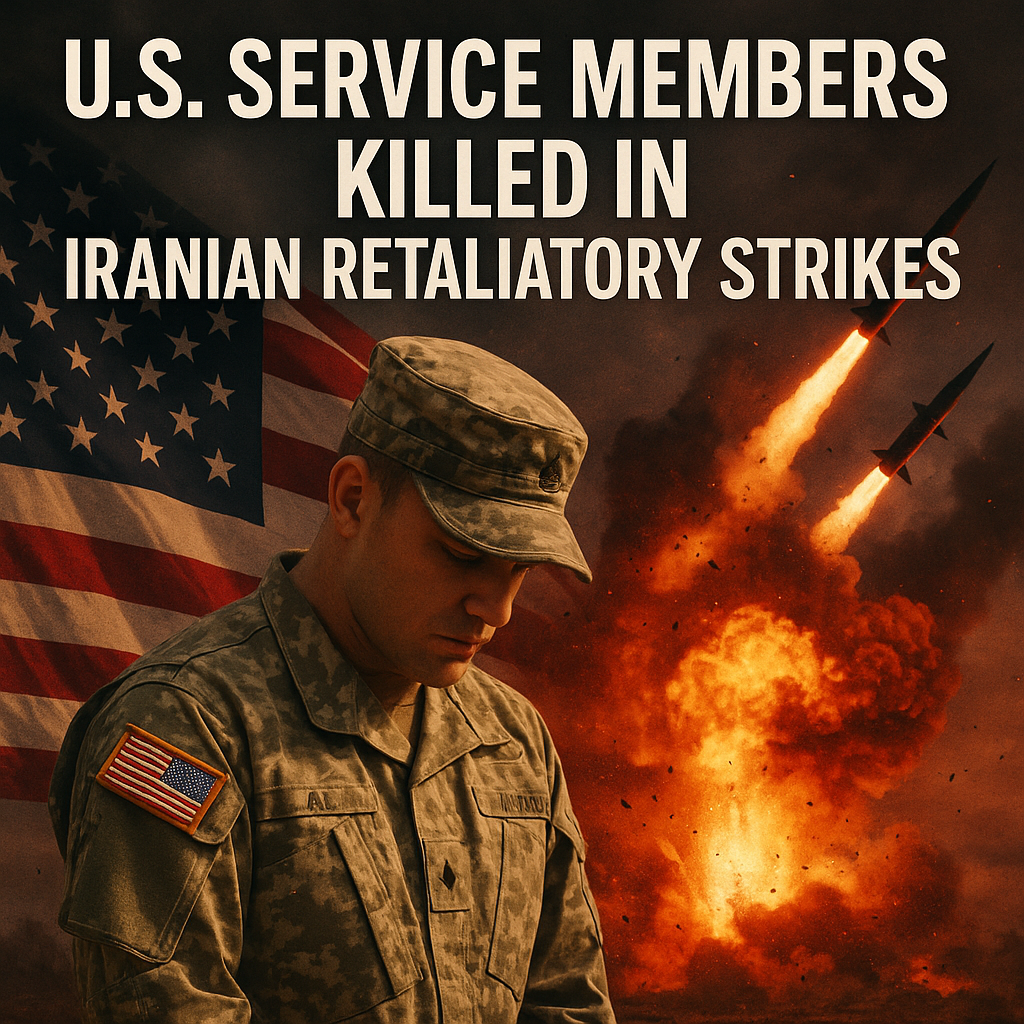
In a shocking turn of events, two US service members have tragically lost their lives in Iranian strikes, heightening tensions in an already fraught Middle East. As leaders weigh in and discussions intensify, this incident serves as a stark reminder of the complexities and dangers faced by those serving abroad.
NATO’s approach to Ukraine is all about striking a careful balance—offering crucial military support while firmly stating, We are not at war. This strategy aims to empower Ukraine without escalating tensions with Russia, keeping the focus on defending sovereignty and democratic values.
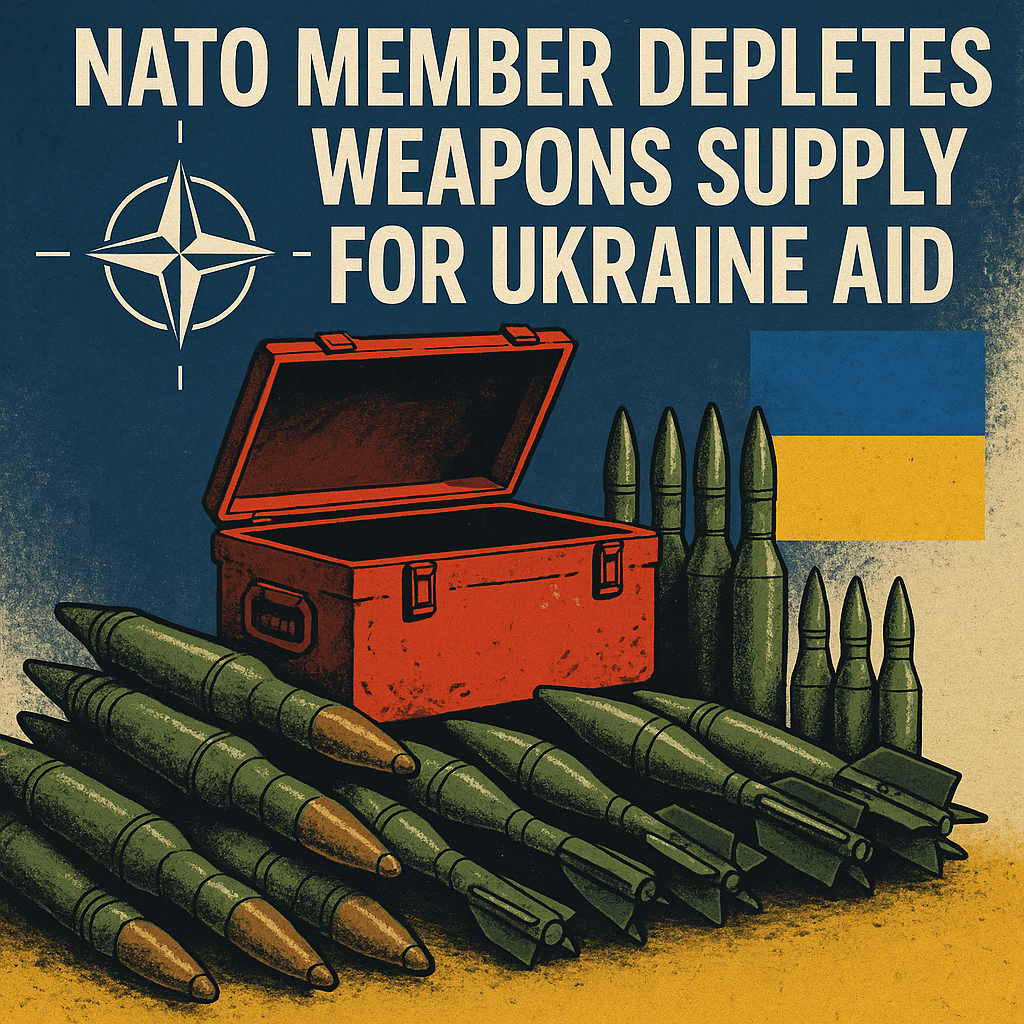
Bulgaria has hit a critical point, completely depleting its military supplies for Ukraine amid rising tensions in Europe. This bold move stirs up important questions about NATOs unity and what it means for future military support in the ongoing crisis.
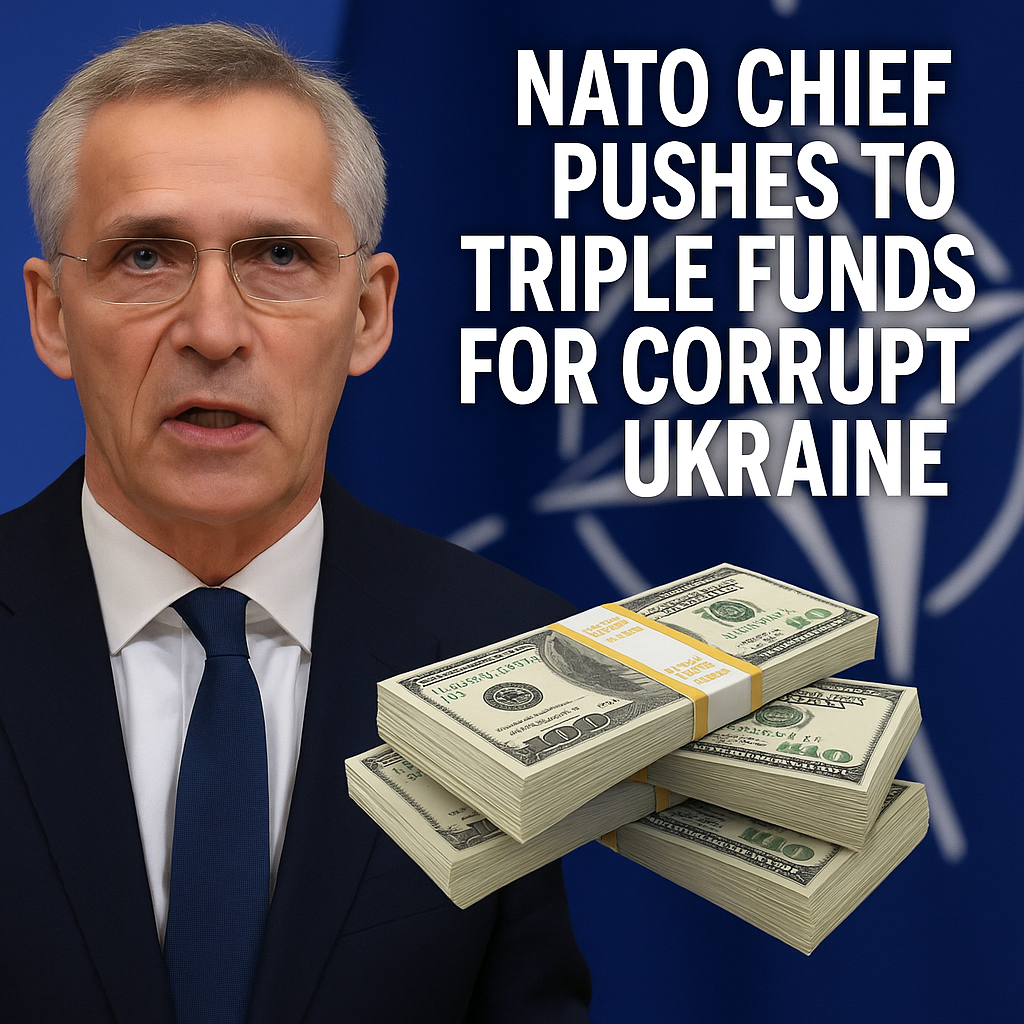
NATOs Secretary-General is advocating for a bold increase in funding for Ukraine, aiming to triple support as the nation grapples with both Russian aggression and internal corruption concerns. While this move could bolster Ukraine’s defenses, it also raises important questions about financial oversight—can we ensure that every dollar makes a difference?
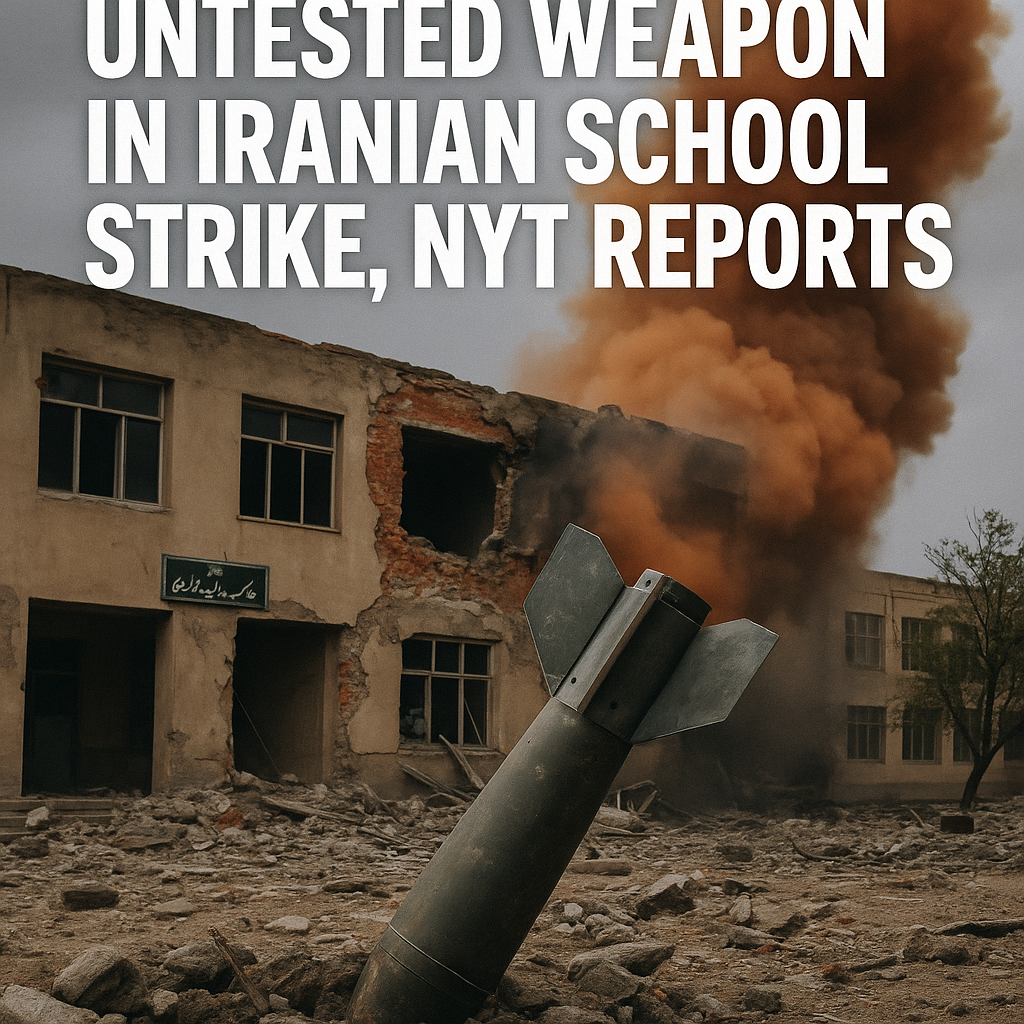
In a striking revelation, The New York Times reports that the U.S. may have deployed an untested weapon near an Iranian school, igniting a fiery debate about military ethics and civilian safety. This incident challenges us to reconsider our approach to modern warfare and the urgent need for transparency in military practices.
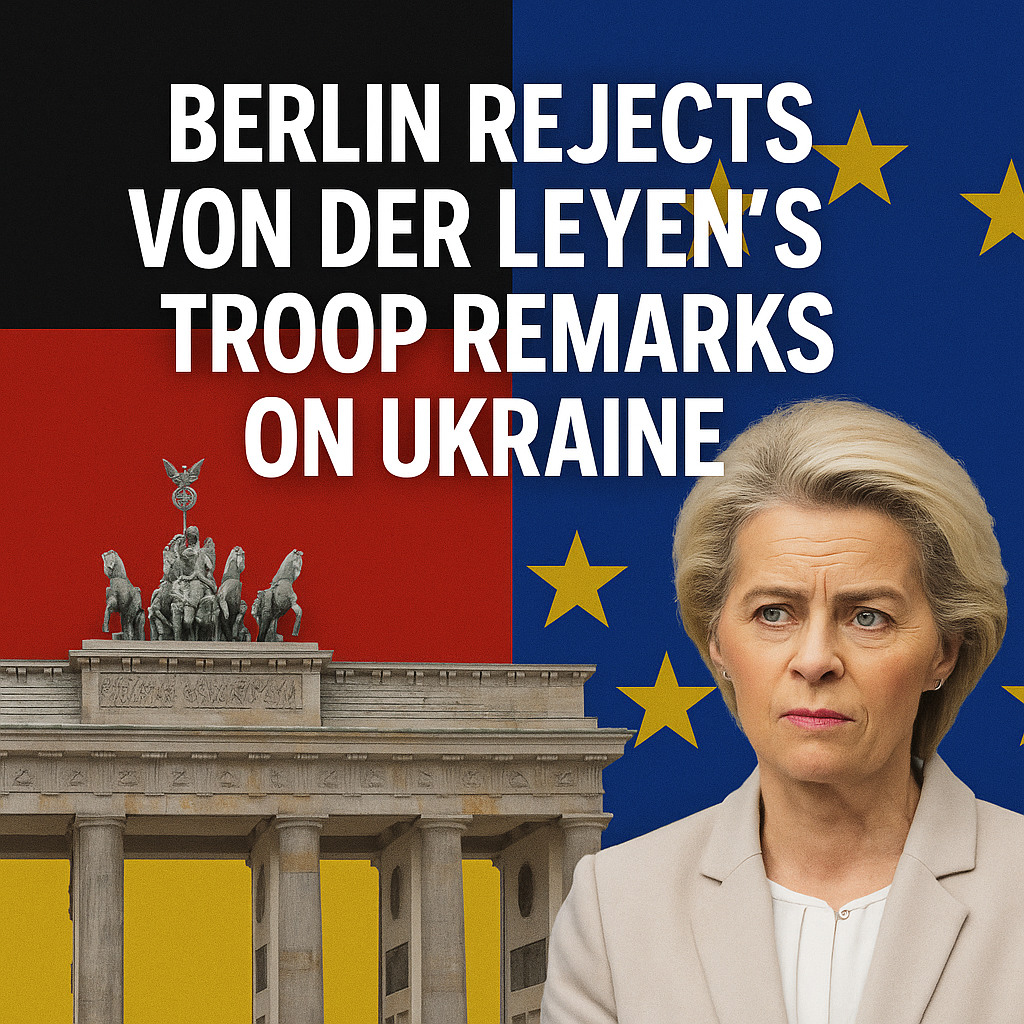
Berlin is making waves by standing firm against Ursula von der Leyens call for EU troop deployments in Ukraine, showcasing the delicate balance of European defense strategies during these tumultuous times. While the German government is committed to supporting Ukraine, they emphasize diplomacy over direct military involvement, reflecting a cautious approach rooted in history.
The Pentagon’s recent decision to restrict Ukraine from striking Russian territory is stirring up a whirlwind of reactions, balancing support for Ukraine with the delicate dance of international diplomacy. As tensions rise, the stakes couldnt be higher—how will this shape the future of the conflict?