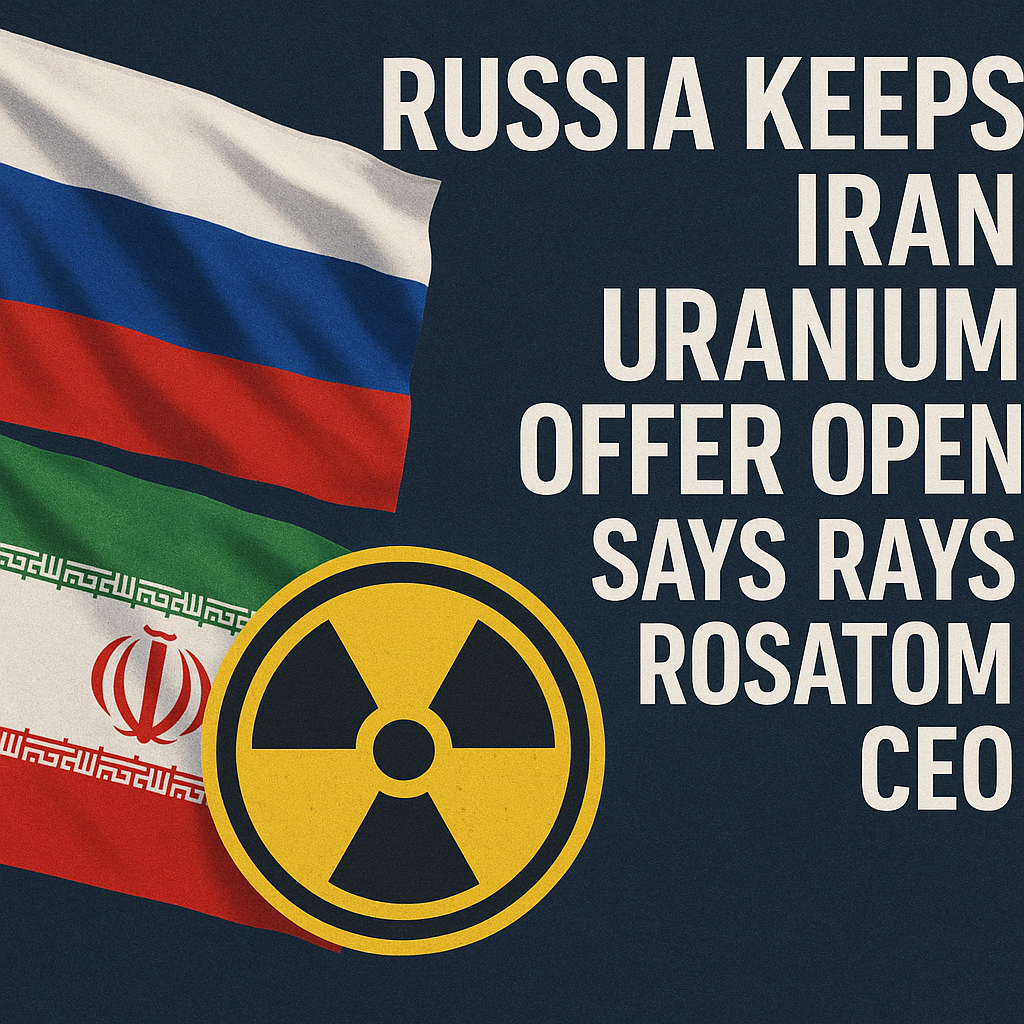
In a bold declaration, Rosatom’s CEO revealed that Russia is keeping its uranium supply offer open for Iran, deepening their growing partnership and stirring debate about the future of global nuclear oversight. As geopolitical tensions rise, this move not only solidifies ties but also raises critical questions about nuclear intentions in the region.
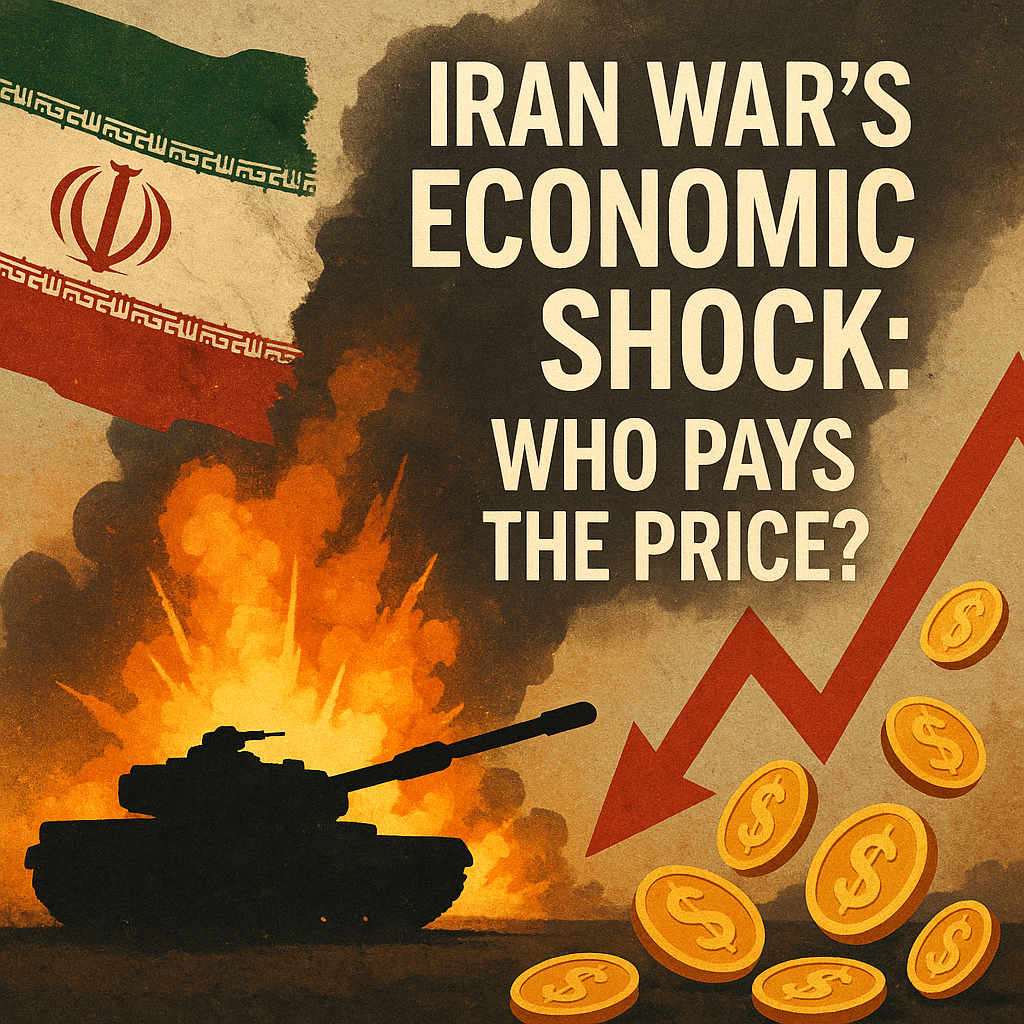
The ongoing conflict in Iran is sending shockwaves through its economy and the global market alike—who will ultimately pay the price? From soaring inflation to rising oil prices, the fallout isn’t just a local issue; it’s a pressing global concern that affects us all.
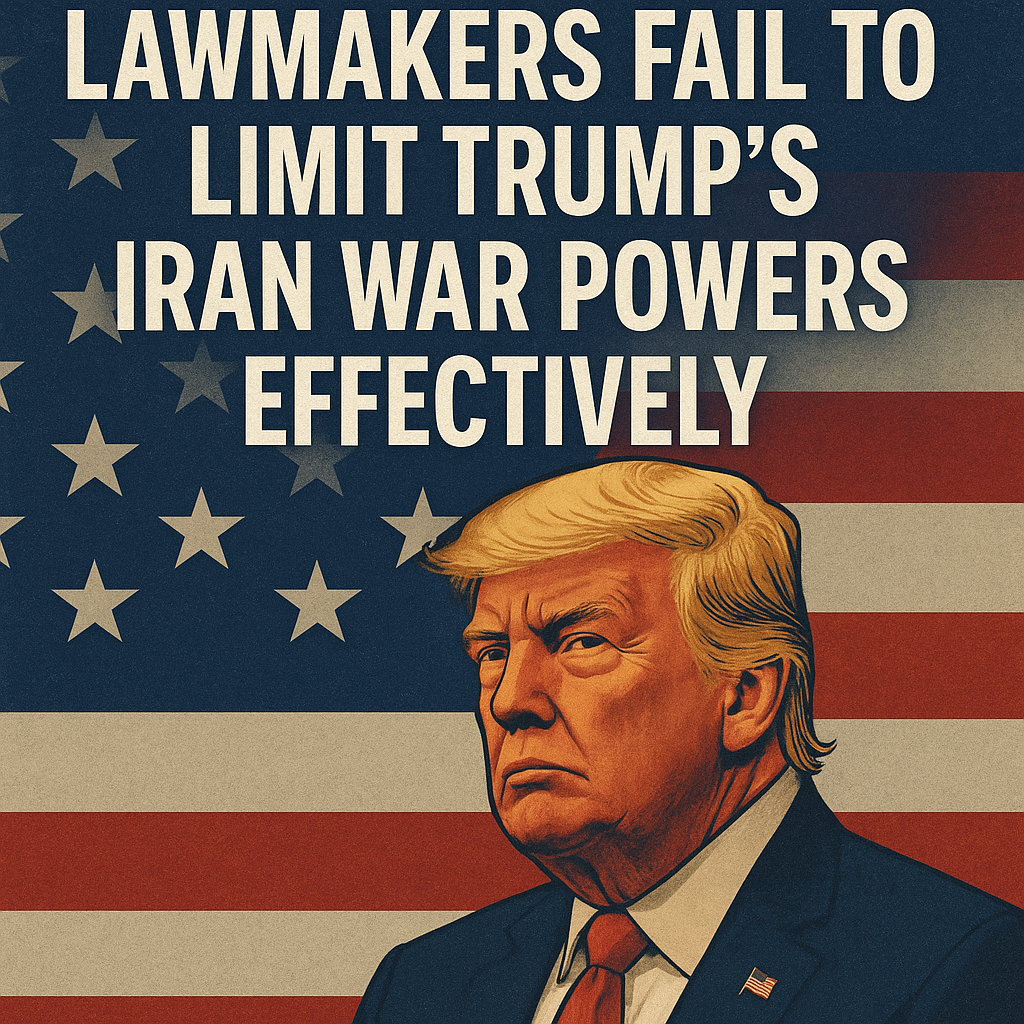
As tensions rise, lawmakers find themselves at a crossroads, struggling to rein in President Trumps military powers over Iran amidst heated debates and deep divisions. Discover how partisan politics and shifting public opinions shape this crucial issue and why the quest for checks and balances remains vital for our democracy.
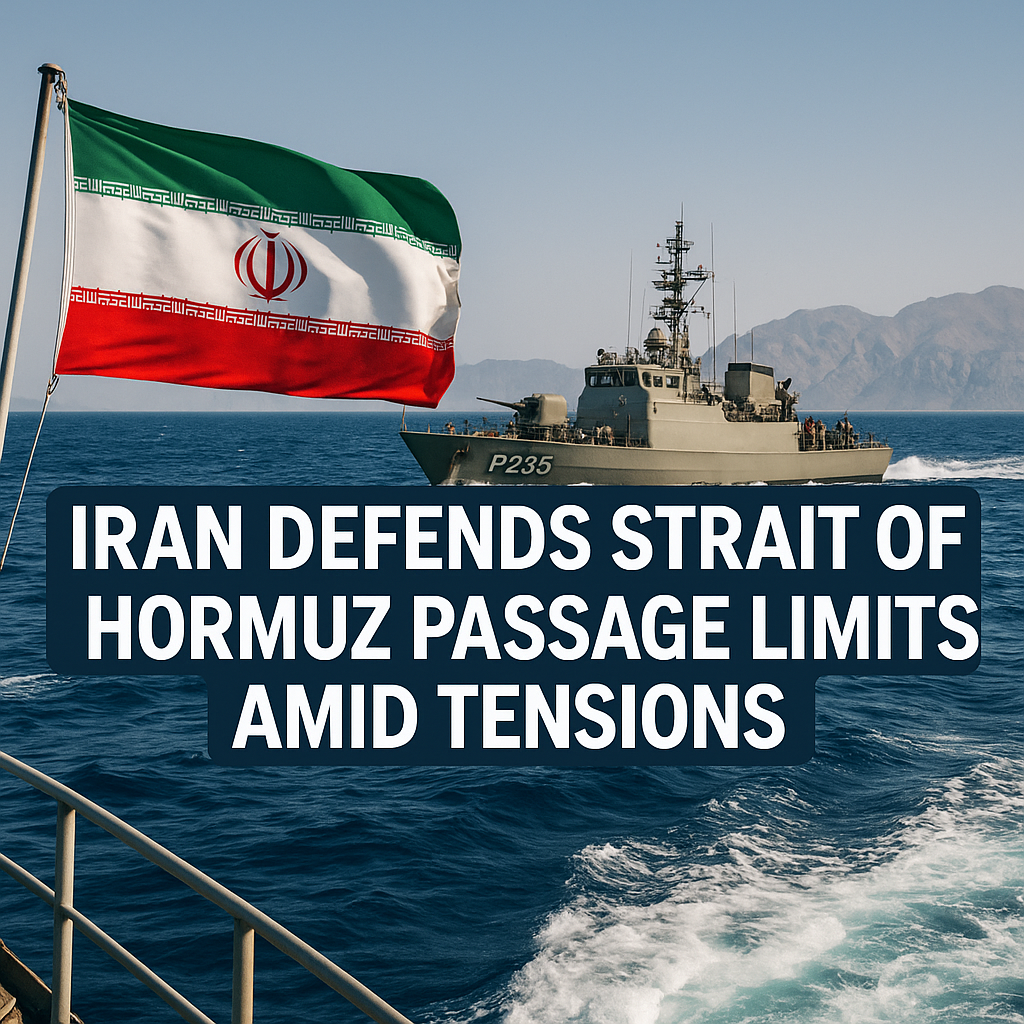
Tensions rise in the Strait of Hormuz as Iran asserts its right to impose passage limits—a vital move theyre framing as essential for national security. Discover the intricacies behind Irans defense and the ripple effects its creating in global waters!
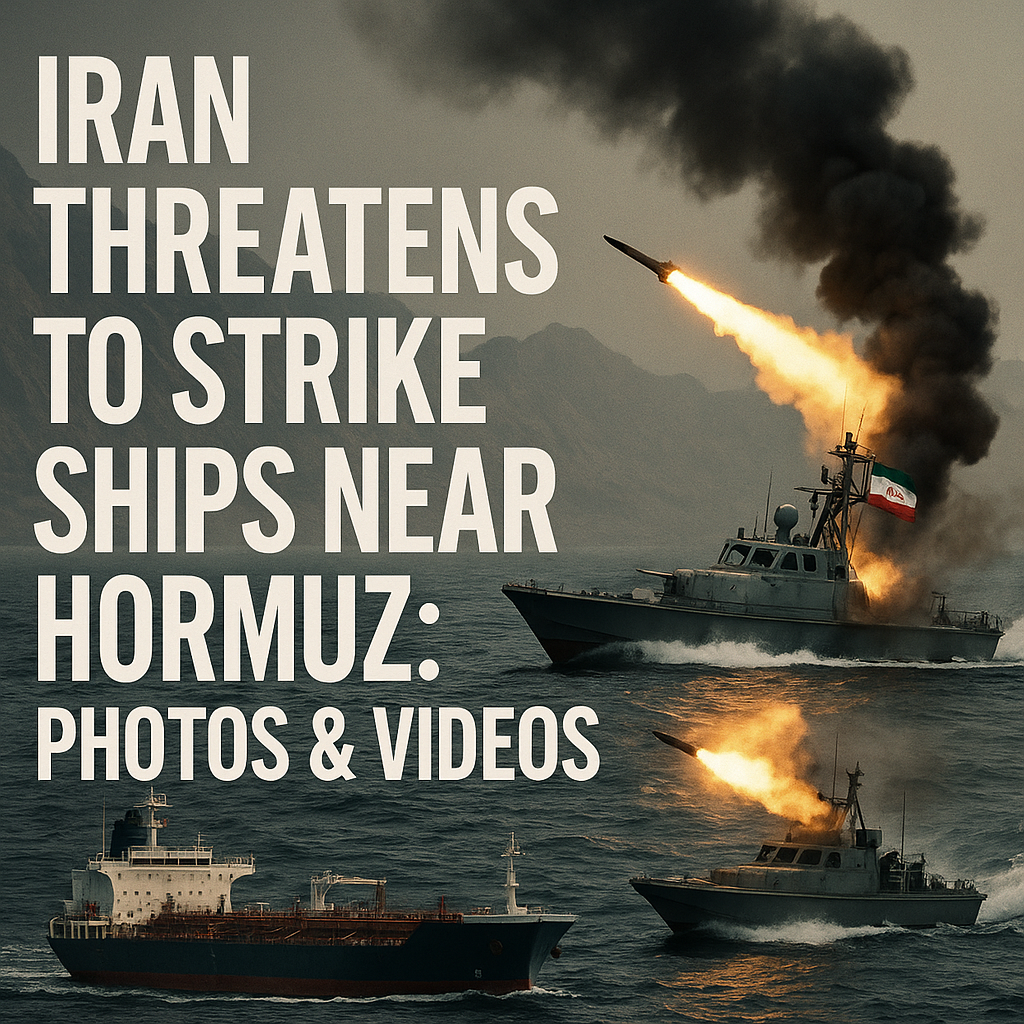
Tensions are rising as Iran threatens to target ships in the strategic Strait of Hormuz, a crucial artery for global oil flows. With claims of defending national interests against perceived foreign aggression, this complicated standoff could have far-reaching implications for energy security and regional stability.
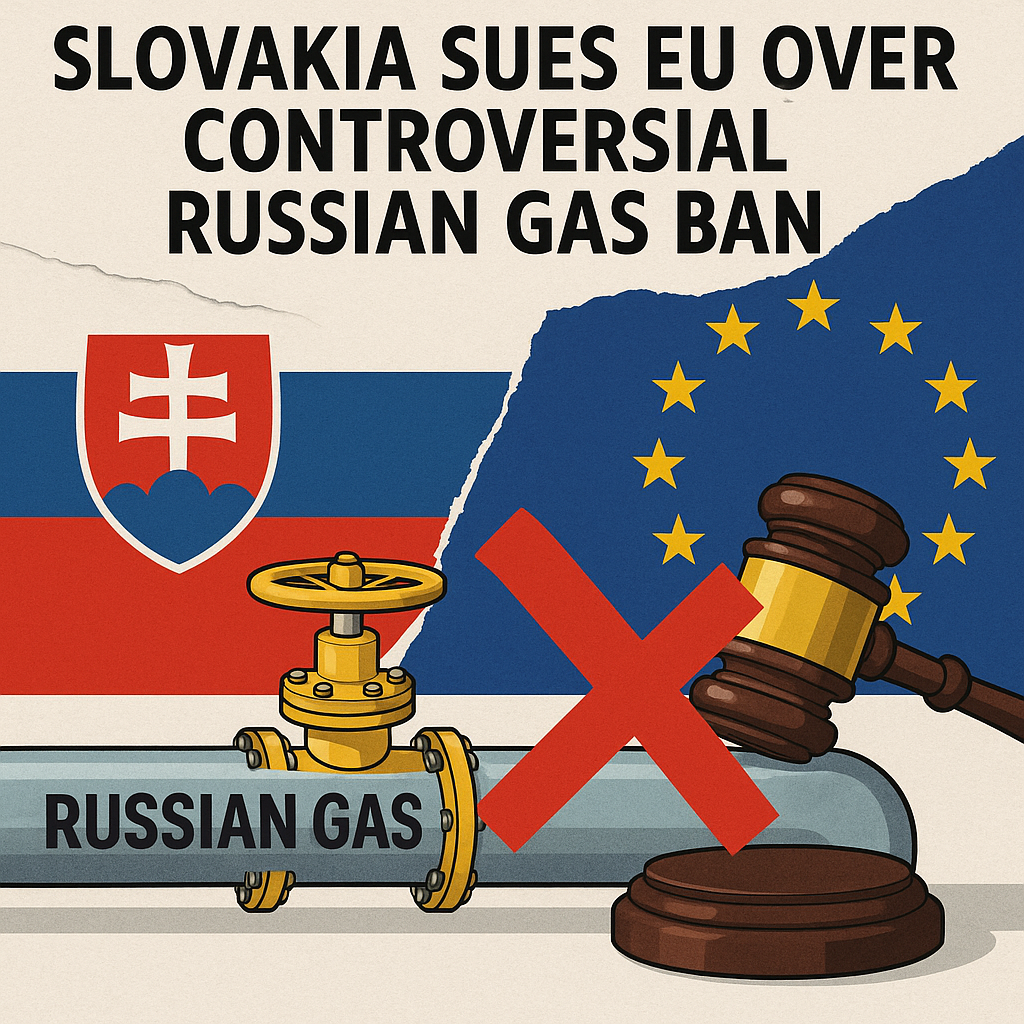
Slovakia is taking a bold stand by suing the EU over its controversial ban on Russian gas, arguing that this decision unfairly jeopardizes its economic stability. As the nation grapples with the fallout, questions arise about balancing energy independence with the unique challenges smaller member states face.
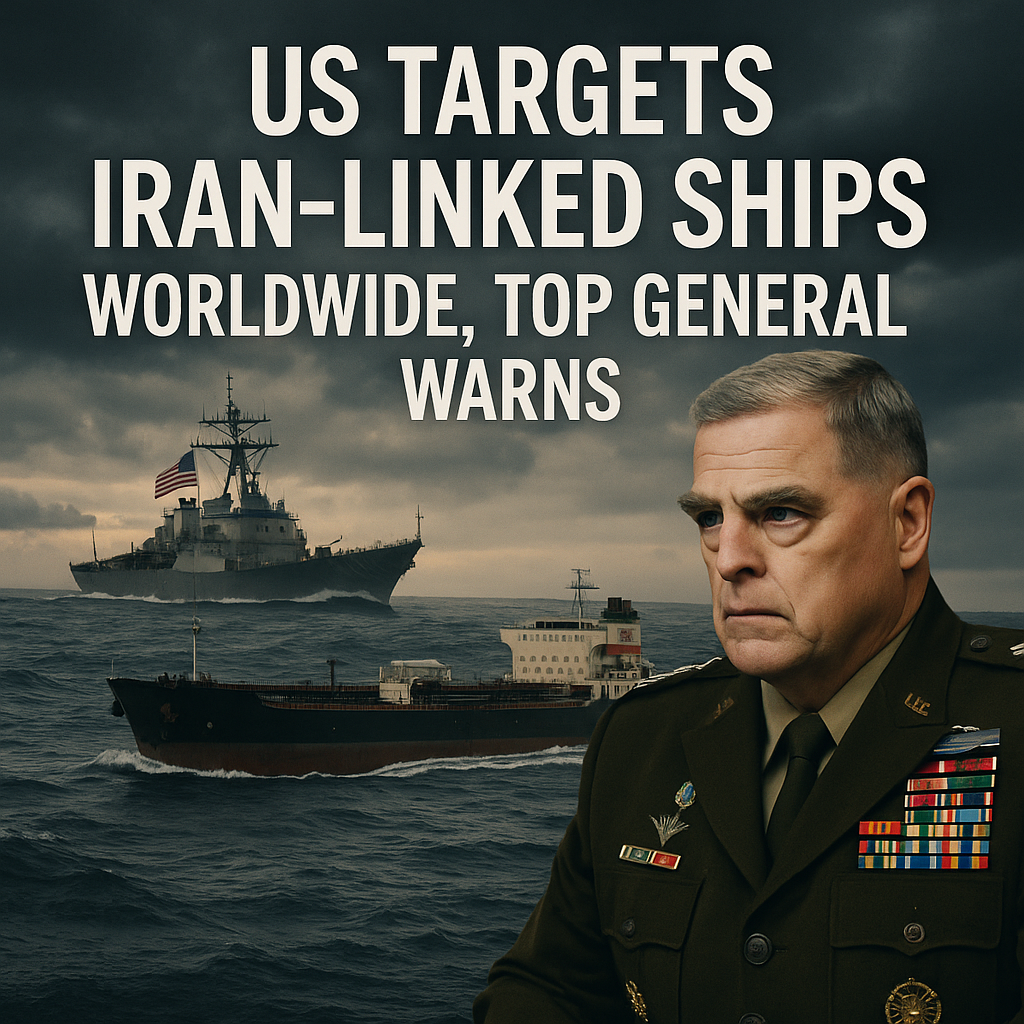
Tensions are rising in the Middle East as the U.S. ramps up its efforts to monitor Iran-linked ships worldwide, aiming to safeguard vital shipping lanes and maintain regional security—will this shift reshape the geopolitical landscape?
The UK Telegraph is stirring up controversy as its new German ownership ignites accusations of pro-Israel bias, raising important questions about the influence of media ownership on editorial integrity. As the debate heats up, both journalists and the public are left wondering how geopolitical dynamics can shape the narratives we consume.
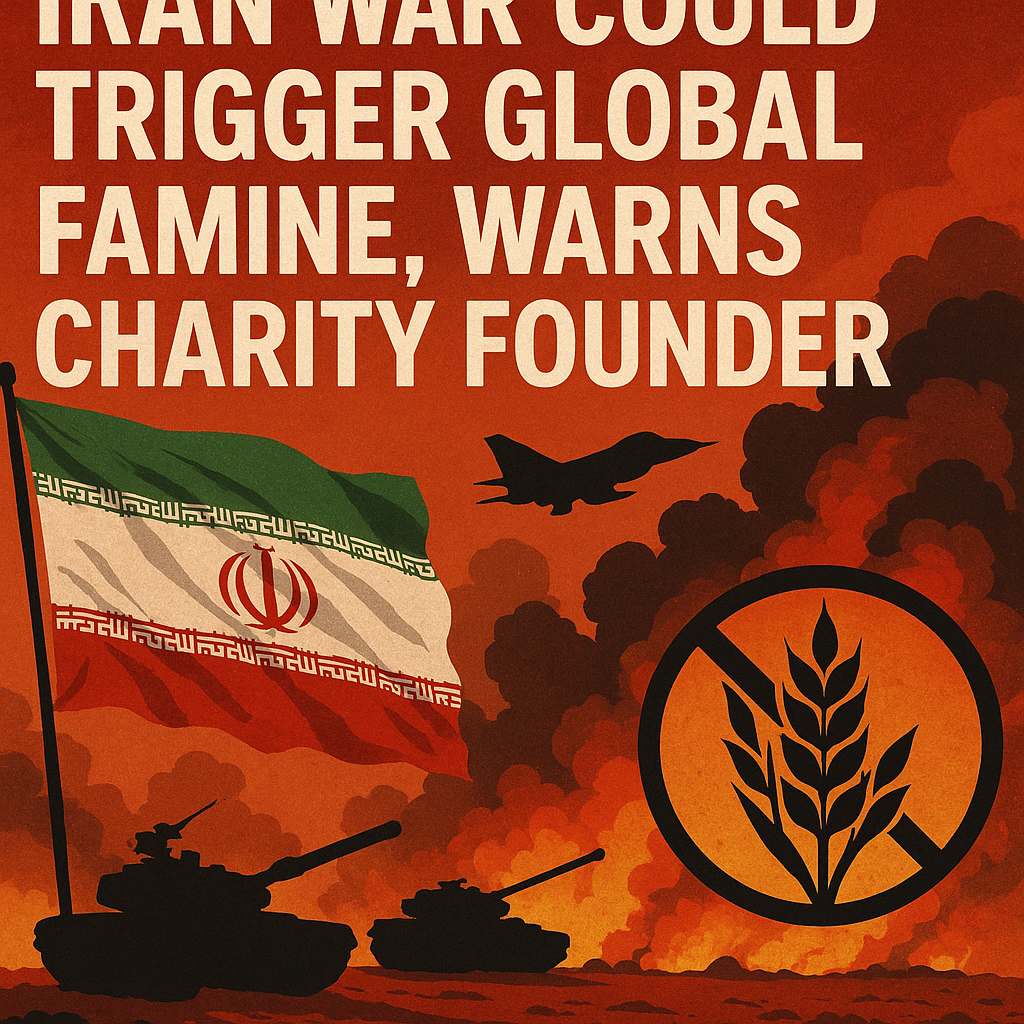
As tensions rise around Iran, a charity founder warns that a potential war could send shockwaves through global food systems, threatening millions with famine. The ripple effects of conflict could disrupt agricultural production and spike food prices, leaving vulnerable nations in dire straits.
As the EU-Israel alliance navigates a changing geopolitical landscape, the future of this vital partnership hangs in the balance—will it adapt to new challenges, or risk unraveling under pressure? Join us as we explore the pivotal factors shaping this relationship!