The US Congress is ramping up its military partnership with Israel, a move that underscores the long-standing bond between the two nations—join us as we explore the implications and debates fueling this critical decision!
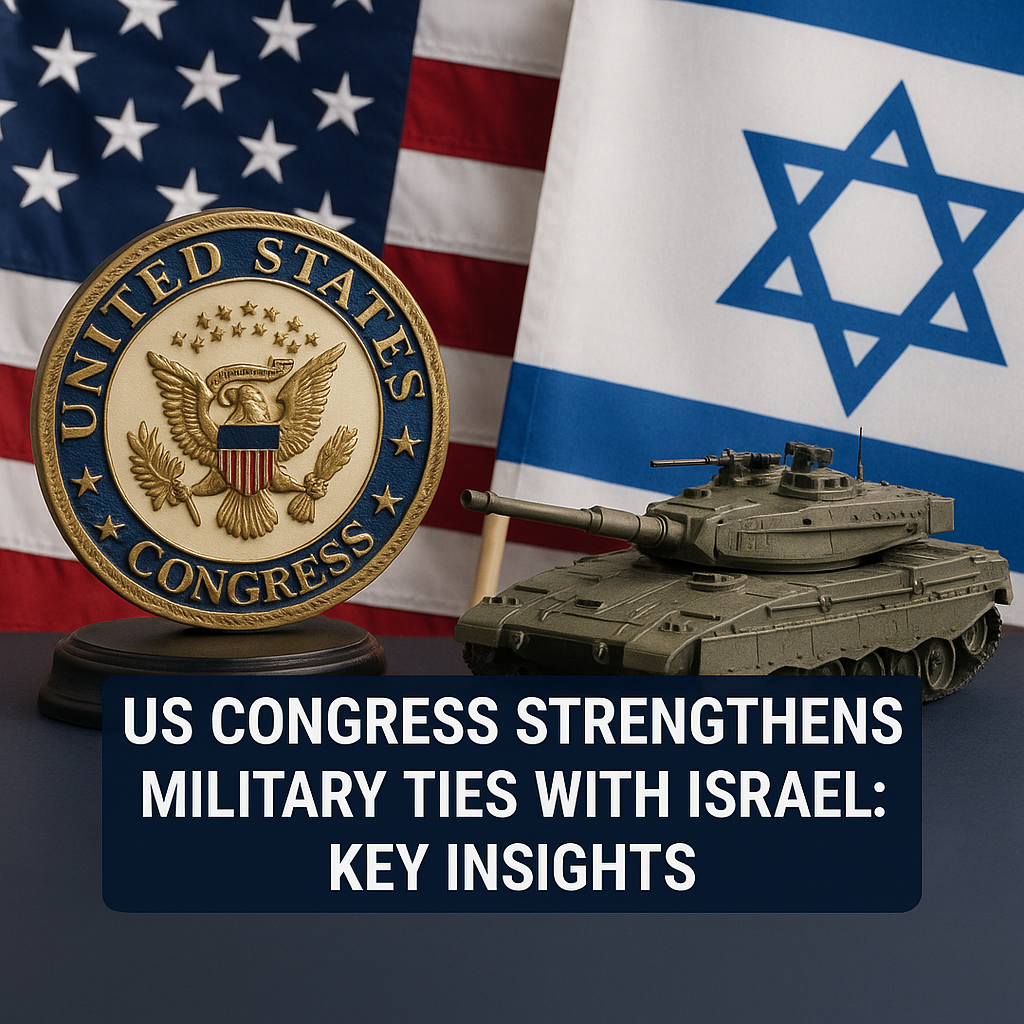

The US Congress is ramping up its military partnership with Israel, a move that underscores the long-standing bond between the two nations—join us as we explore the implications and debates fueling this critical decision!
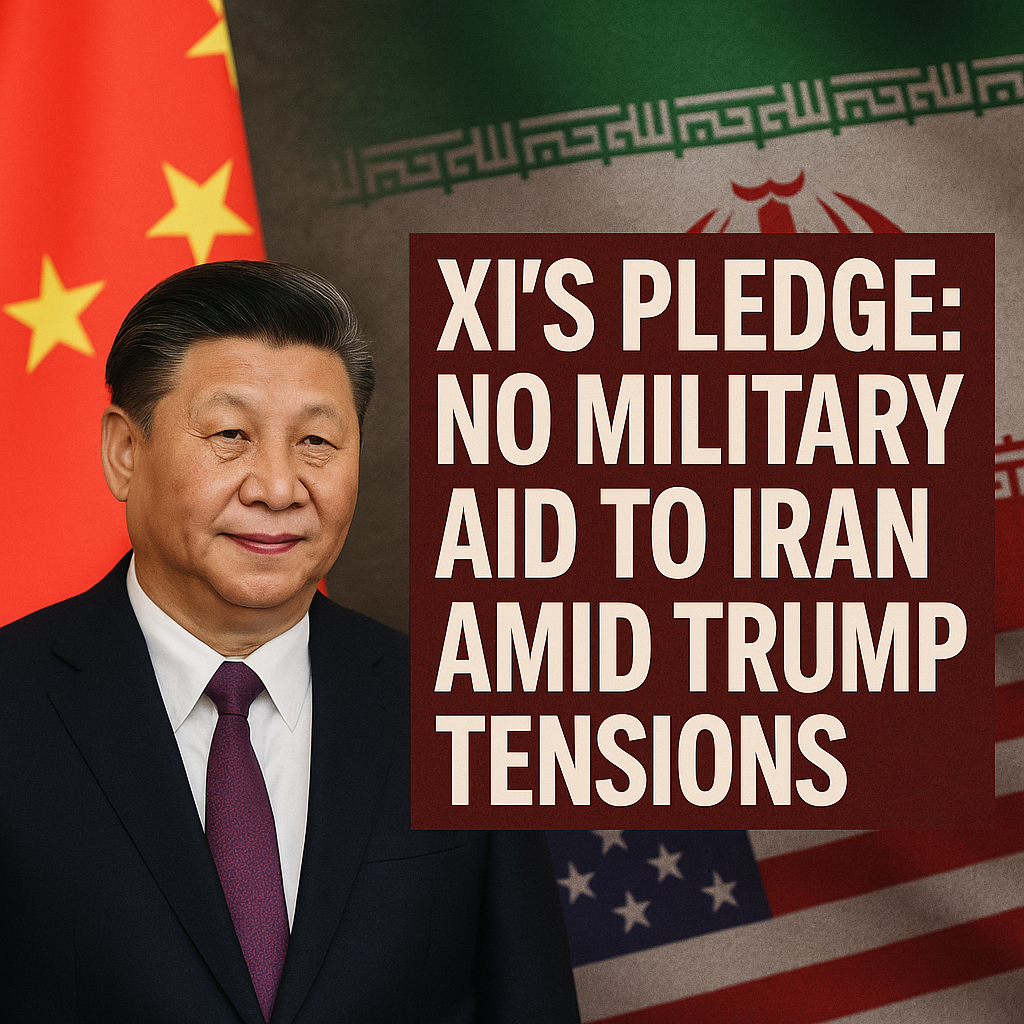
In a surprising move, Xi Jinping has vowed that China won’t supply military aid to Iran, navigating the complex waters of U.S.-China tensions sparked by Trump’s policies. This decision sparks a critical conversation about regional stability and the intricate dance between these powerful nations.
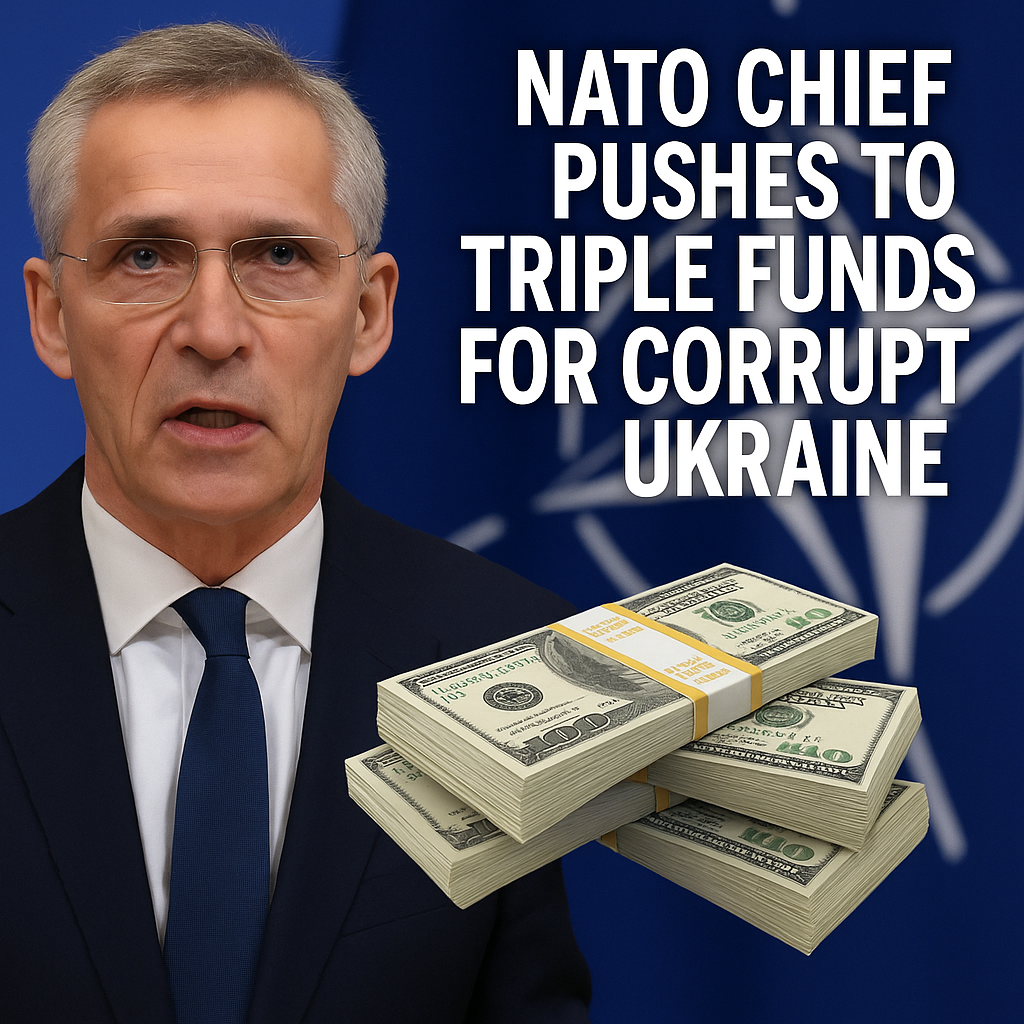
NATOs Secretary-General is advocating for a bold increase in funding for Ukraine, aiming to triple support as the nation grapples with both Russian aggression and internal corruption concerns. While this move could bolster Ukraine’s defenses, it also raises important questions about financial oversight—can we ensure that every dollar makes a difference?

As the conflict in Ukraine intensifies, the U.S. warns its allies about potential delays in weapon deliveries, stressing the urgent need for timely military support. With advanced systems urgently requested, the clock is ticking for Ukraine to bolster its defenses against ongoing threats.
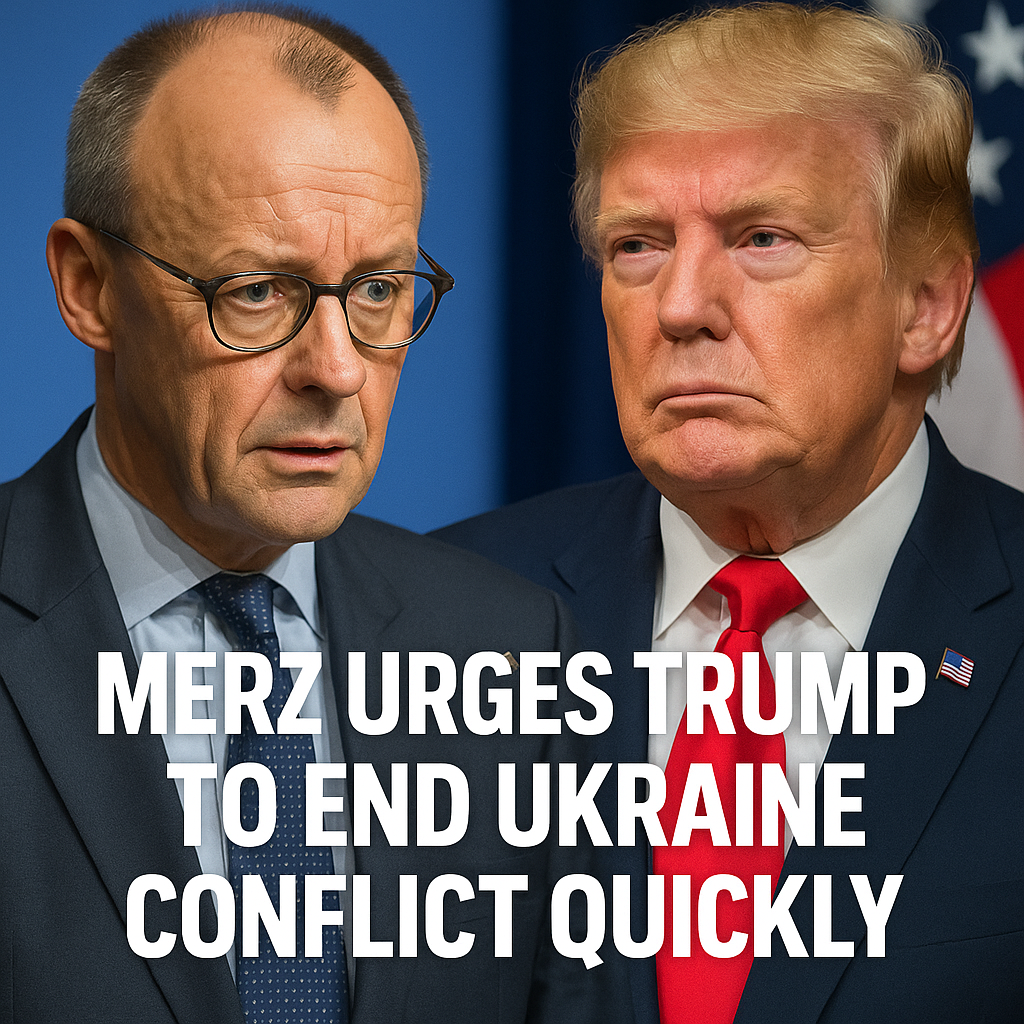
German politician Friedrich Merz calls on former President Trump to play a crucial role in swiftly ending the Ukraine conflict, highlighting the urgent need for a resolution that impacts global security and economic stability. With tensions rising and resources strained, Merz underscores the importance of American leadership in navigating these turbulent waters.
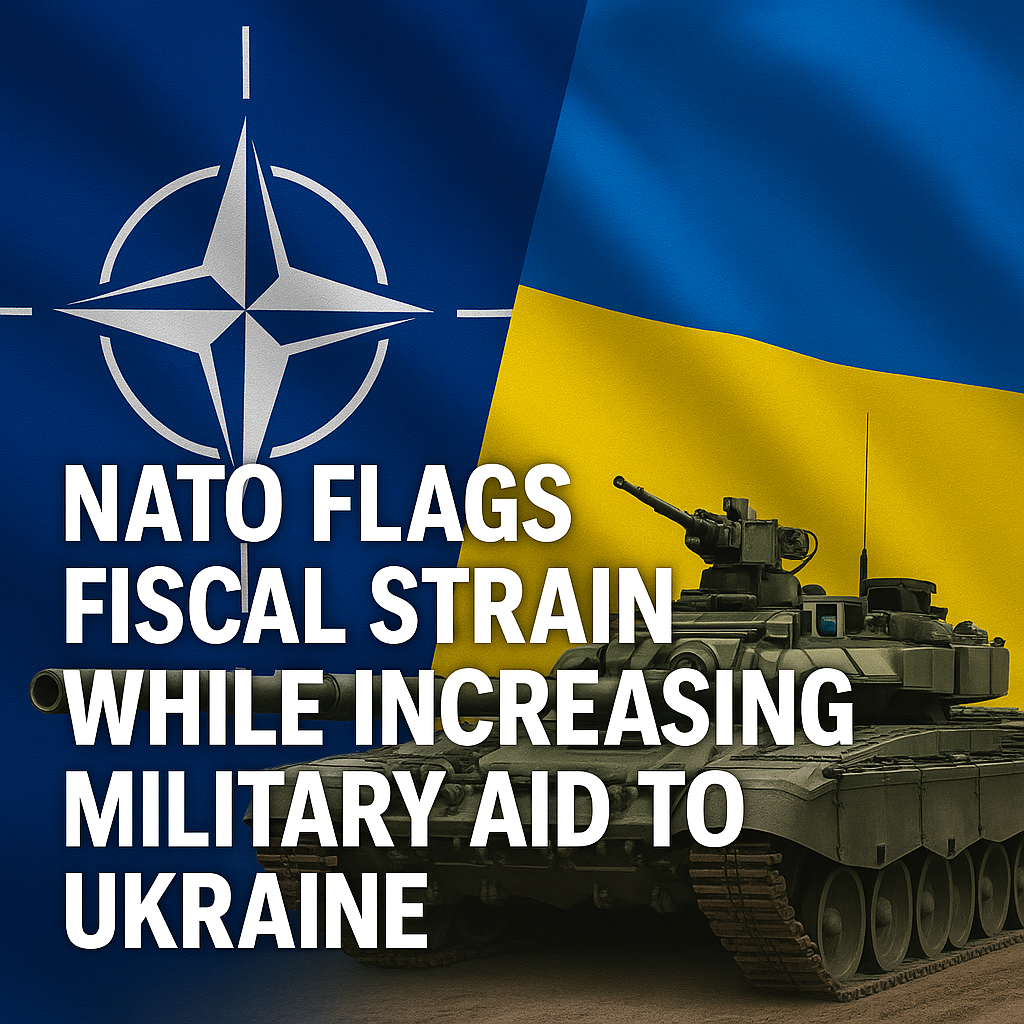
As NATO steps up its military aid to Ukraine during these challenging times, it faces the pressing dilemma of balancing support for its allies with financial sustainability. With concerns mounting about the strain on budgets, the alliance walks a tightrope between urgency and resilience, underscoring the critical stakes for both Ukraine and global security.
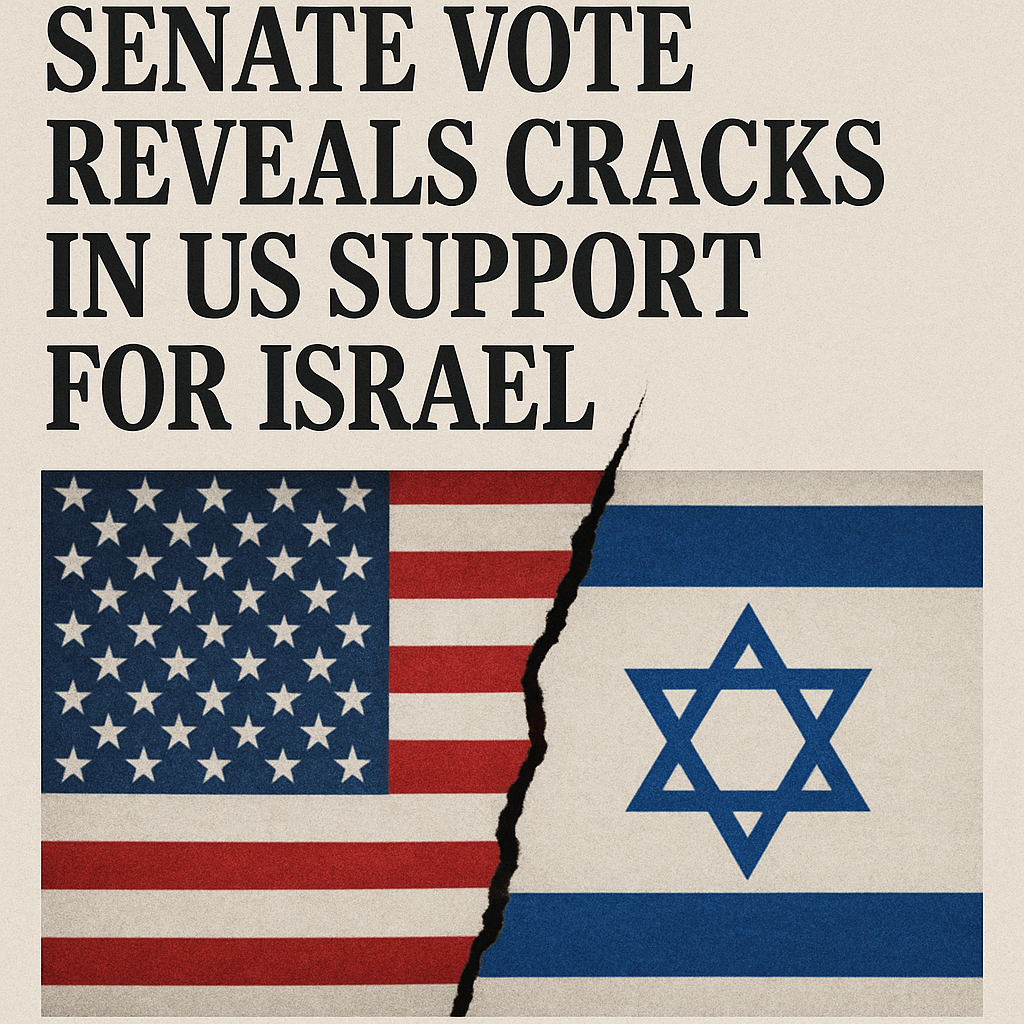
Recent Senate votes have unveiled a surprising shift in bipartisan support for Israel, sparking a lively debate on the implications of U.S. foreign policy. As more lawmakers question unconditional backing, this moment could reshape the future of U.S.-Israel relations.
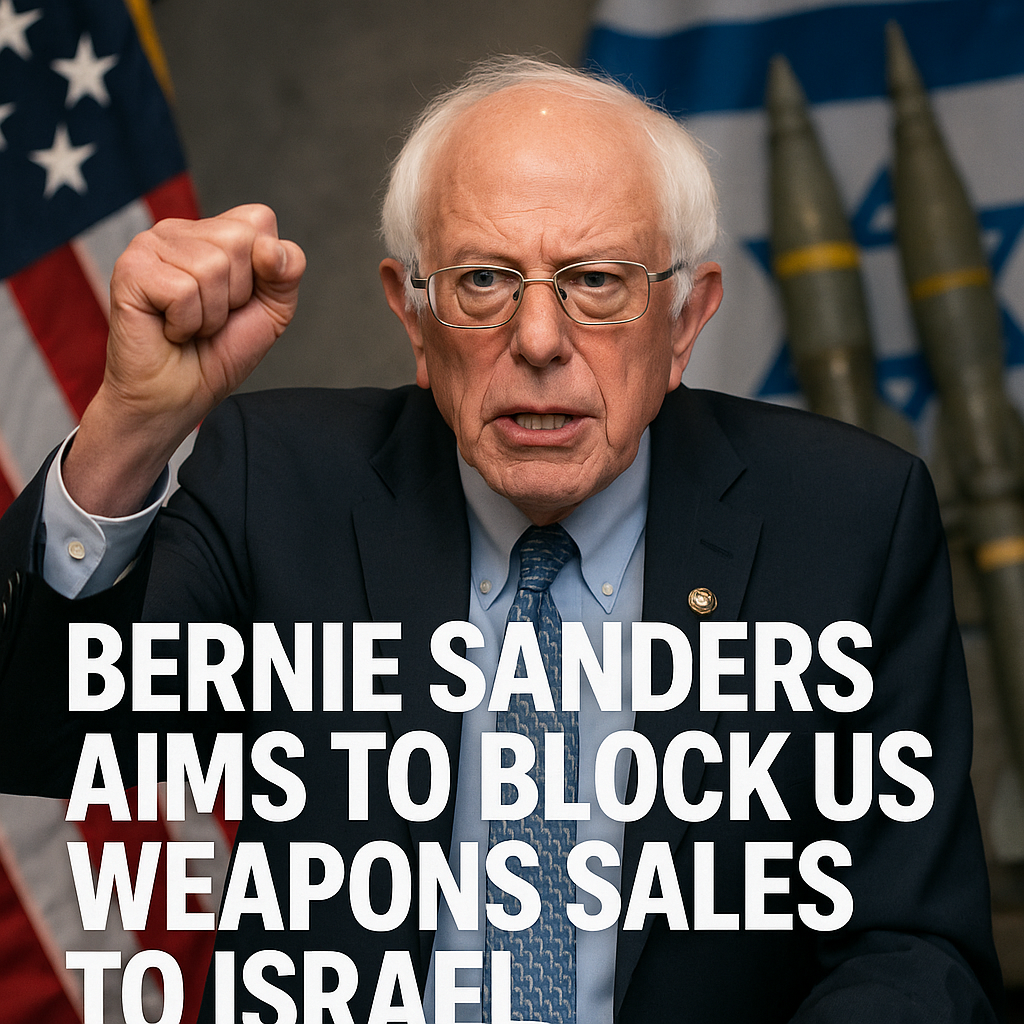
Senator Bernie Sanders is making waves by pushing to block U.S. weapons sales to Israel, a bold move that reflects growing concerns about military aid amid heightened tensions in the Middle East. As he rallies support from both sides of the aisle, this proposal taps into a rising chorus of voices demanding accountability and a reevaluation of American foreign policy.
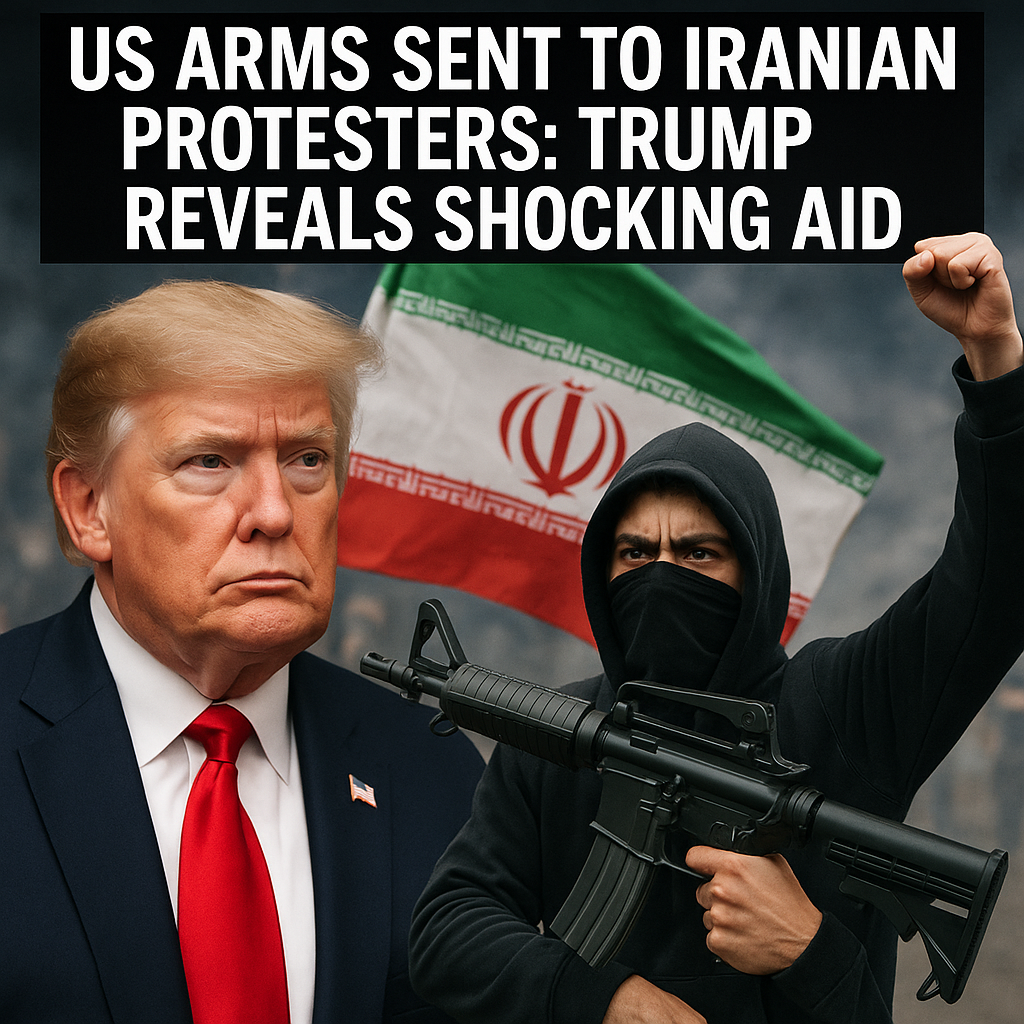
Trumps stunning claim that the U.S. supplied arms to Iranian protesters is stirring up a fierce debate about democracy, national security, and the potential ripple effects. As tensions rise in Iran, the question lingers: does military aid truly empower the oppressed, or could it fuel further chaos?
Could Israel really be America’s 51st state? Dive into the evolving dynamics of U.S.-Israel relations as pressures mount and political voices shift, revealing a landscape thats more complex than ever.