Trump Dismisses Price Concerns Amid Inflation Love

Trump Dismisses Price Concerns Amid Inflation Love
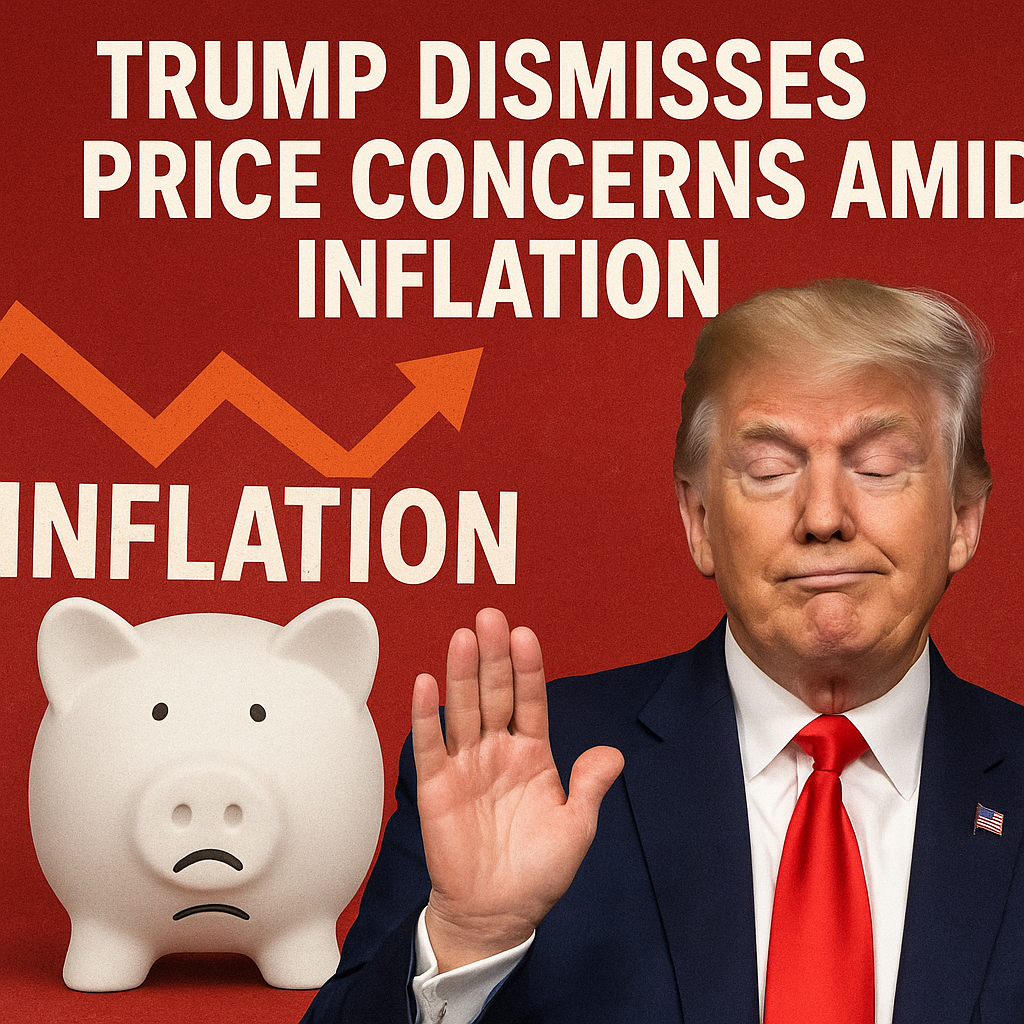
Amid rising inflationary pressures affecting Americans’ daily lives, former President Donald Trump has made headlines with his recent comments regarding escalating prices. Dismissing concerns about the economic situation, he stated, “I love the inflation.” This remark has sparked significant debate regarding its implications and the broader economic context.

Context of Trump’s Remarks
Former President Trump delivered his controversial statement during a rally, a setting where he often reiterates populist themes and critiques of the current administration. By expressing enthusiasm for inflation, many interpret his comments as an attempt to rally his base by framing economic challenges as a political advantage. His supporters often view economic turmoil as an opportunity to challenge the incumbent government, in this case, President Biden.


The inflation issue is complex and multifaceted. According to data from the U.S. Bureau of Labor Statistics, inflation rates soared to levels not witnessed in decades, primarily driven by supply chain disruptions and increased demand post-COVID-19 lockdowns. The Consumer Price Index (CPI) report indicated a year-over-year increase in prices that has stung American households, making essentials more costly. For many, Trump’s lighthearted dismissal of these economic challenges feels tone-deaf, especially for those struggling to make ends meet.


Divergent Viewpoints on Inflation
Opinions surrounding Trump’s stance on inflation reveal a broader divide in political and economic thinking. Supporters view his comments as a way to expose the Biden administration’s weaknesses. They argue that inflation highlights the ineffective management of the economy, attributing it to policies that have stifled growth. For them, acknowledging inflation with levity might serve as a rallying cry for their preferred economic policies.
Conversely, critics have pointed out the impracticality of Trump’s remarks. Public figures and economists argue that humorizing a situation as grave as inflation may undermine the serious financial challenges that many are facing. The sentiment, expressed by some economists, is that such comments can dilute public engagement with essential issues like economic stability and workplace productivity.
In a report by Al Jazeera, economist Mark Zandi remarked that “Inflation is not something to be celebrated; it represents real pain for many Americans.” Indeed, the discrepancy in perspectives reveals a tension between the realities faced by everyday citizens and the narrative constructed by political figures.
Economic Ramifications and Public Perception
The repercussions of governmental attitudes toward inflation extend beyond political rhetoric. Public perception plays a critical role in shaping consumer behavior. When influential figures portray economic difficulties lightly, it can lead to a detrimental disengagement from fiscal prudence. According to a report by Sky News, consumer confidence has already begun to wane as households grapple with higher prices for food, gas, and housing.
In contrast, some economists argue that attention to inflation, even when accompanied by a sense of humor, could lead to more proactive engagement from policymakers. They propose that an acknowledgment of present challenges, even when packaged positively, can catalyze discussions on potential solutions. It poses the question: Is it possible to balance a candid discussion about economic reality with aspirational optimism?
As inflation continues to impact various sectors, collaboration across the political spectrum will be critical in devising effective responses. Attention must be raised on government policies that can mitigate inflation while fostering long-term economic resiliency. The complexity of inflation necessitates a nuanced approach, confirming that conversations about it do not exist in a vacuum.
Conclusion
Trump’s dismissal of inflation concerns, articulated in a way that was intended to galvanize his support base, brings to light the discrepancies in economic discourse. His lighthearted comments blur the line between political strategy and genuine economic challenge, prompting diverse reactions from across the political landscape. While some find humor in the gravity of inflation, others emphasize the real and pressing need for responsive measures that alleviate financial burdens on Americans.
Amid a backdrop of economic uncertainty, the intersection of political commentary and public perception continues to shape the national conversation around inflation. As this dialogue evolves, the challenge remains to foster a discourse grounded in reality while also inspiring hope for a more stable economic future. Whether lighthearted or grave, the conversation around inflation must consider the experiences it creates for millions of Americans, reminding us that every fraction of a percentage point in inflation reflects a tangible impact on lives and livelihoods.