Trump Faces Israeli Anger Over Iran Deal: You Could’ve Been Great

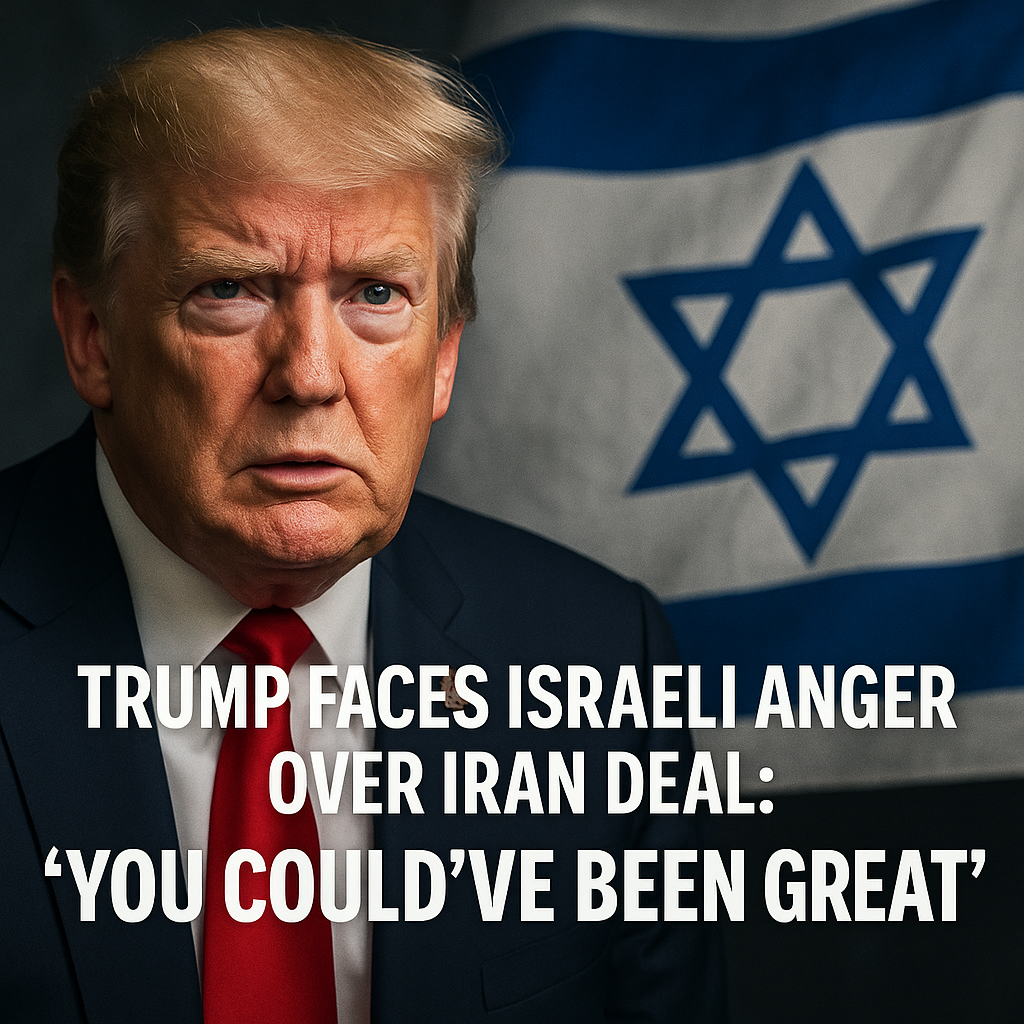
In recent developments, former U.S. President Donald Trump is facing significant backlash from Israel over the handling of the Iran nuclear deal. This discontent reflects deep-seated frustrations regarding broader U.S. foreign policy towards Iran and the Middle East, raising questions about the diplomatic ties between the two nations.

The Iran Deal: A Source of Contention
The Joint Comprehensive Plan of Action (JCPOA) was seen by many, including the U.S. allies in the Middle East, as a controversial yet pivotal agreement aimed at curbing Iran’s nuclear capabilities in exchange for relief from economic sanctions. Trump’s withdrawal from the deal in 2018 ignited tensions not only between the U.S. and Iran but also among its allies, particularly Israel, which viewed the agreement as fundamentally flawed.


Israeli leaders have consistently expressed that the deal inadequately addresses Iran’s long-term ambitions, particularly its missile program and its influence in the region through proxy groups. The sentiment that Trump could have pursued a more favorable path is echoed by various sources, underscoring a paradox in what many saw as a missed opportunity for stronger U.S.-Israeli cooperation.


Israeli Leaders’ Perspective
Recent commentary from Israeli officials reflects a mix of frustration and regret. High-ranking politicians and military officials in Israel have suggested that Trump’s approach could have been more strategic. Netanyahu, Canada’s Prime Minister Justin Trudeau, and other allies have voiced that a collaborative effort could have yielded greater political leverage against Iran.
For instance, one report mentioned a senior Israeli official remarking, “You could have been the greatest,” highlighting a belief that Trump’s potential to reshape U.S.-Israeli relations went unrealized. The implication is clear: there was an expectation that Trump would take a more aligned stance with Israel’s security concerns and not just focus on withdrawing from agreements.
The anger, however, is compounded by perception; many Israeli officials view Trump’s subsequent policies as erratic and lacking a coherent strategy. The uncertainty surrounding U.S. intentions in the region has led to heightened security concerns and diplomatic tensions.
Diverging Views in U.S. Politics
While Israeli leaders appear united in their disappointment with Trump’s Iran strategy, opinions within the U.S. political sphere display a considerable divide. On one side, some Republican allies of Trump argue that his decision to withdraw from the Iran deal was essential for national security, emphasizing the need to confront Iran on multiple fronts. This faction maintains that the Obama-era agreement only postponed a larger crisis.
Conversely, Democrats and some bipartisan critics argue that abandoning the deal has exacerbated tensions, potentially allowing Iran to advance its nuclear ambitions unchecked. This perspective is backed by reports suggesting that Iran has escalated its nuclear activities, regaining momentum as a direct consequence of the withdrawal.
The Diplomatic Fallout
In navigating international relations post-JCPOA, the U.S. has found itself in a complicated web of alliances and enmities. The divergence in opinion between Israeli leaders and U.S. political factions illustrates a broader issue: maintaining stable relations often requires balancing national interests and regional dynamics.
Furthermore, calls for a renegotiation of the Iran nuclear deal have emerged from various quarters, including some former officials from the Trump administration who believe a new approach could yield benefits. However, activists and some analysts caution that returning to the negotiation table must involve a comprehensive framework that addresses not just nuclear capabilities but also Iran’s broader military aspirations in the region.
The Road Ahead
As Trump grapples with the fallout, the implications of these diplomatic tensions extend far beyond immediate politics. They highlight a deeper ideological battle over the future of U.S. foreign policy in the Middle East. The frustration of Israeli officials is not merely about Trump’s decisions; it reflects broader anxieties about regional stability and the effectiveness of U.S. alliances.
Looking ahead, the challenge will be for U.S. and Israeli leaders to engage in a constructive dialogue that can address mutual concerns without escalating tensions further. The upcoming political landscapes in both the U.S. and Israel will undoubtedly influence these discussions.
In conclusion, the complex interplay between U.S. actions and Israeli expectations illustrates the challenges of international diplomacy. Trump’s tenure, once seen as a pivotal moment for U.S.-Israeli relations, may instead remind us of the volatility that characterizes geopolitical negotiations in this sensitive region. As positions evolve, it remains crucial for both allies to find a pathway toward cooperation that accounts for their respective concerns and ambitions.