
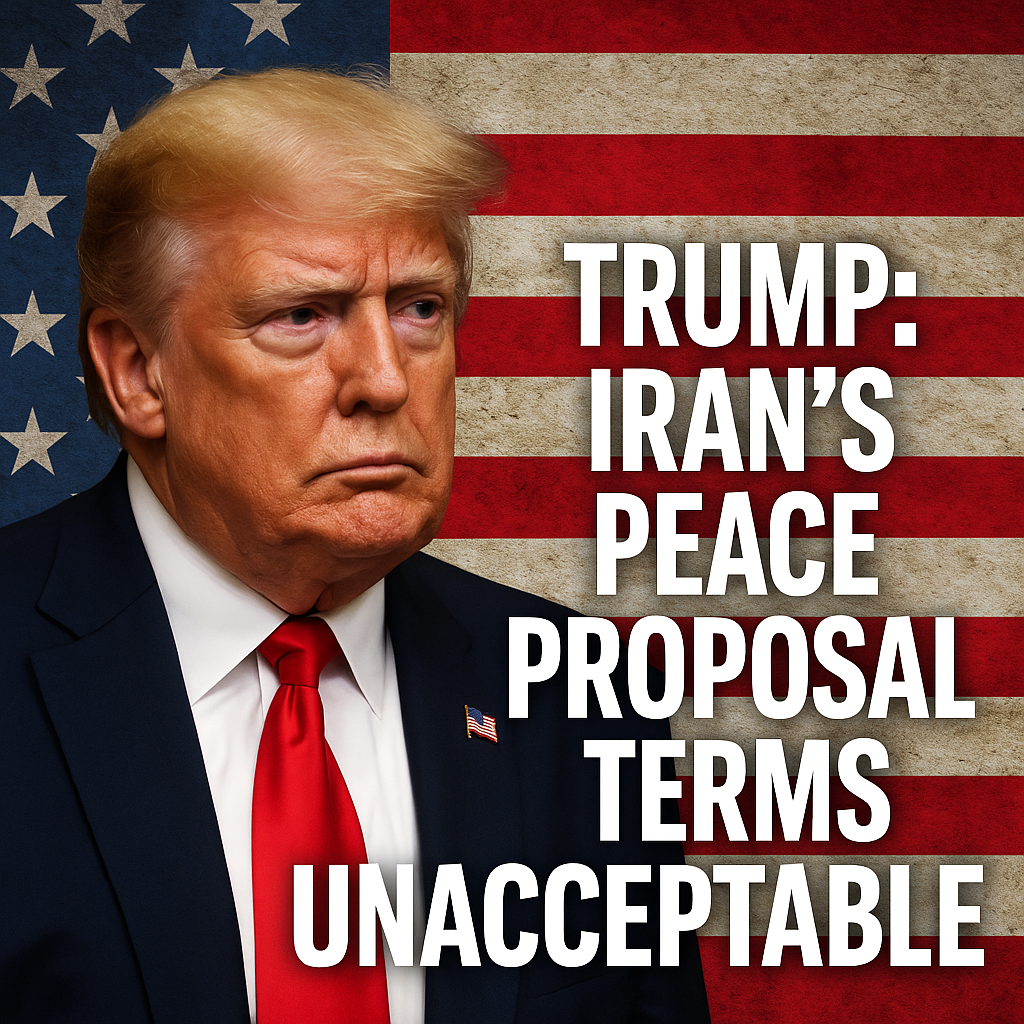
Trump: Iran’s Peace Proposal Terms ‘Unacceptable’

Trump: Iran’s Peace Proposal Terms ‘Unacceptable’
In a statement reflecting ongoing tensions between the U.S. and Iran, former President Donald Trump deemed Iran’s latest peace proposal terms as “unacceptable.” This declaration underscores the complex dynamics that continue to shape U.S.-Iran relations and evokes varying perspectives on international diplomacy, national security, and regional stability.

The Context of Tensions
The backdrop to Trump’s declaration can be traced to a series of escalating measures between Washington and Tehran. Over recent years, the U.S. has implemented sanctions against Iran, aiming to curb its nuclear capabilities and regional influence. Iranians, in response, have positioned their diplomatic overtures as attempts to foster peace, but these attempts have frequently been met with skepticism from Washington.


According to Al Jazeera, Trump criticized the Iranian proposal for lacking substantive commitments on crucial issues, including nuclear non-proliferation. The proposal, as outlined by Iranian officials, seeks a multistage approach that aims to normalize relations gradually. However, Trump and his supporters argue that without strict enforcement measures and clear timelines, such proposals remain merely diplomatic gestures.


Conversely, Iranian officials assert that their approach is grounded in long-term regional stability and mutual respect, a stance that enjoys popular support domestically but faces criticism from hardliners. The contrasting narratives underline the perceptions that both countries hold about each other’s intentions, making meaningful dialogue increasingly difficult.
Diverging Perspectives on Diplomacy
The discourse surrounding the peace proposal reveals a dichotomy in viewpoints. Proponents of Trump’s hardline stance argue that strong measures are necessary to counter Iranian aggression, particularly in light of its regional activities and missile proliferation. Critics of this approach, however, often cite the failed strategies of past administrations, arguing that diplomacy should involve a more nuanced engagement with Iran.
Sky News elaborates on the stakes of U.S.-Iran relations, noting that previous negotiations, such as the Joint Comprehensive Plan of Action (JCPOA), offered a beacon of hope for diplomatic solutions. However, the withdrawal of the U.S. from the JCPOA in 2018 under Trump dramatically transformed the landscape of negotiations, instilling a deep-seated mistrust on both sides.
Analysts also express concern over the potential for escalation. The RT network highlights that Trump’s categorical rejection of Iran’s proposals could stymie any prospects for de-escalation and may lead to further military posturing in the region, threatening peace.
Internal Opinions Within Iran
Internally, the Iranian government appears divided over how to approach relations with the U.S. Hard-liners advocate a more confrontational approach, emphasizing resistance and warfare, while moderate officials push for diplomacy and negotiation. This division is illustrated in the mixed responses from various political factions on the terms of the peace proposal, where some see potential pathways forward, while others view these discussions as capitulation.
Iran’s approach reflects a strategic balancing act between showing strength and pursuing diplomatic avenues, a tension that has implications not only for Iran’s leadership but also for regional allies who are closely monitoring the U.S.-Iran dynamic. The outcome of this diplomatic impasse could significantly impact other nations in the Middle East, leading to shifting alliances and realignments in a region already fraught with instability.
The Path Forward: Uncertainties Ahead
Given the multifaceted nature of U.S.-Iran relations, the future remains uncertain. Trump’s assertion of the proposal being “unacceptable” may resonate well with his base, reinforcing a narrative of strength. However, this approach also risks alienating potential allies who might advocate for more diplomacy in resolving longstanding issues.
The lack of trust and the myriad historical grievances—coupled with significant geopolitical stakes—present a complex challenge for diplomats seeking to mediate between two nations at odds. As illustrated by opinions from both sides, the consensus highlights a clear divide, with many advocating for a more conciliatory approach while others favor a tougher stance.
A resolution may hinge on both parties’ willingness to engage in genuine dialogue, although the prospects for such an event seem bleak at present. As different factions advocate for their own ideologies and diplomatic strategies, the global community watches closely, aware that the implications of these negotiations extend far beyond U.S.-Iran relations.
In conclusion, while Trump’s rejection of Iran’s peace proposal terms may resonate with certain factions and reflect a broader national security concern, the complexities of this geopolitical chess game may require a more nuanced understanding and a willingness to explore new diplomatic avenues. Moving forward, the potential for peace will depend not only on the actions of policymakers in Washington and Tehran but also on the growing sentiments of the people and the influence of regional dynamics.















