US Allows Iran Two Days Stay Before Egypt World Cup Game

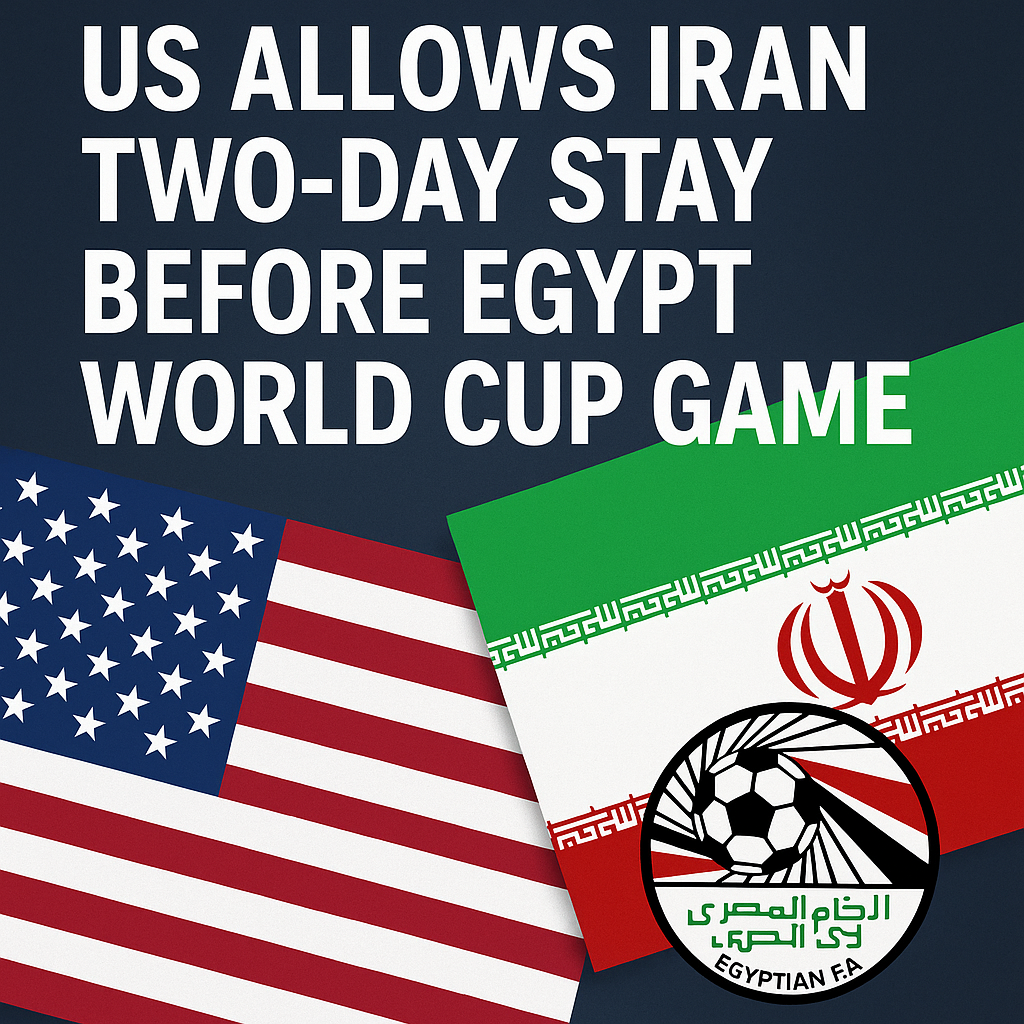
The recent announcement that the U.S. will allow Iran to stay for two days before their World Cup match against Egypt has sparked significant discussion across various platforms. This decision reflects the complexities of international relations, sports diplomacy, and the ongoing tensions between the two nations.

The Context of the Decision
The decision comes in the backdrop of strained U.S.-Iran relations, marked by decades of political and social conflict. In the lead-up to the 2026 World Cup, which will be hosted by the United States, Canada, and Mexico, this allowance could be seen as a gesture aimed at maintaining a level of engagement amidst ongoing tensions. The move reflects a broader trend where sports serve as a platform for dialogue, despite the existing animosities.


On one hand, some analysts argue that this decision is a strategic one. By permitting Iran’s presence for a limited timeframe, the U.S. government could be signaling its willingness to engage diplomatically, albeit within controlled parameters. This perspective highlights how international sports events often serve as diplomatic forums, where countries can showcase goodwill even while diplomatic ties remain fragile.


Diverse Opinions on the Outcome
Conversely, critics argue that granting Iran this temporary space could send mixed signals, possibly undermining U.S. efforts to exert pressure on Iran regarding its nuclear ambitions and regional behavior. A report from Al Jazeera states that some officials view this gesture as a potential weakening of the U.S. stance in the region, suggesting that it might inadvertently embolden Iran.
Furthermore, different media outlets reflect contrasting sentiments on the implications of the decision. According to RT, this policy could be interpreted as the U.S. softening its hardline approach, potentially leading to broader discussions about diplomatic relations. Alternatively, Sky News points out that allowing Iran to participate even briefly can invite backlash from domestic critics who argue that engagement may undermine U.S. standing on accountability issues.
What Lies Ahead?
The nuances of this development highlight the complexities surrounding not only U.S.-Iran relations but also the role of sports in international politics. As the World Cup approaches, the focus will likely shift to Iran’s performance and conduct during the event. The temporary allowance is indeed limited, but it could very well open the door for broader discussions about future relations.
Ultimately, the immediate effects of this decision will unfold as the event draws nearer. Questions remain about how this might influence perceptions of the U.S. both at home and abroad. Will it be interpreted as a genuine step toward diplomatic engagement, or will it be viewed with skepticism by critics who argue against any form of engagement with Iran?
While the decision itself is small in scope, the broader ramifications could be significant. With global attention on the World Cup, how each nation navigates their presence on this platform will reverberate far beyond the stadiums. In a world where sports often intersect with political narratives, the upcoming games will undoubtedly serve as a focal point for ongoing discourse around these complex relationships.