US-Iran Talks Update: Status and Strait of Hormuz Insights

US-Iran Talks Update: Status and Strait of Hormuz Insights
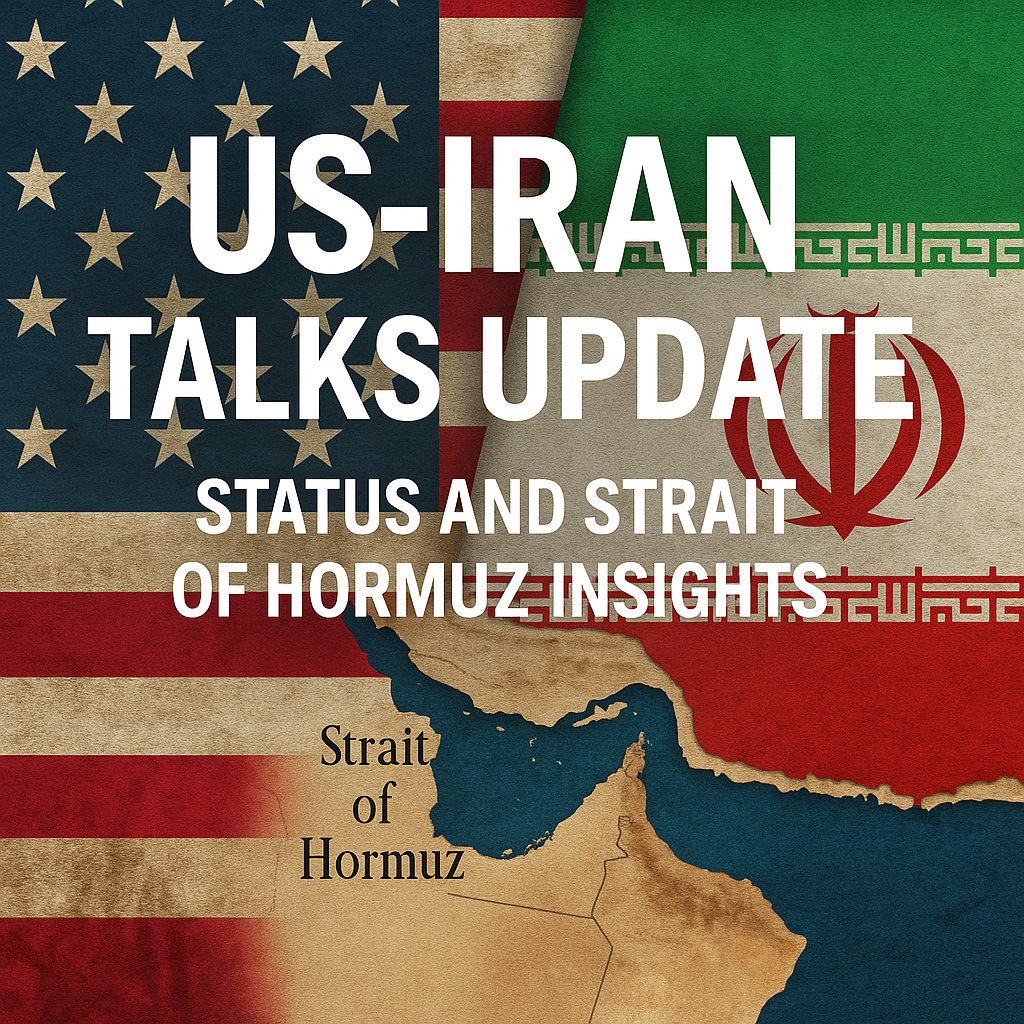
The ongoing talks between the United States and Iran represent a complex interplay of diplomacy and regional security, especially concerning the crucial shipping lane of the Strait of Hormuz. This narrow passage is vital for global oil trade, as approximately one-fifth of the world’s petroleum passes through it. As negotiations evolve, understanding their implications for geopolitical stability in the region becomes increasingly important.

The Current State of Negotiations
Recent discussions regarding Iran’s nuclear program have revealed mixed assessments from various sides. According to reports from RT.com, the Biden administration has signaled a willingness to reassess its approach to the Iran nuclear deal, which has been a focal point of contention since former President Trump withdrew the US from the agreement in 2018. The report indicates that both nations have shown interest in reviving some aspects of the Joint Comprehensive Plan of Action (JCPOA), particularly as tensions have escalated over Iran’s enriched uranium stocks.


Conversely, Al Jazeera offers a contrasting viewpoint, emphasizing that while the US remains open to dialogue, Iran’s continued missile testing and military exercises raise concerns about Tehran’s intentions. This sentiment is reflected in the response to recent encounters in the Strait of Hormuz, where US naval forces have intercepted several Iranian vessels. These actions underscore the delicate balance between diplomacy and military readiness in the region.


Implications for the Strait of Hormuz
The Strait of Hormuz stands at a pivotal juncture not just for oil exports but also for international security dynamics. Around 20% of the world’s oil passes through this strait, making it a target for conflicts. Sky News reports that increased Iranian military presence in the area has prompted US force deployments aimed at ensuring the safe passage of vessels.
The potential for confrontations remains high, particularly if political negotiations stall. There is widespread recognition that the volatile state of US-Iran relations could destabilize the region further, impacting global oil prices and trade routes
Diverging Perspectives on Future Steps
One noteworthy aspect of the current diplomatic climate is the divergence in perspectives on how to proceed. Some analysts argue that the US should maintain a hardline stance, advocating for stricter sanctions until Iran curbs its military ambitions. This view aligns with sentiments expressed in policy circles and echoed by media reports, emphasizing the necessity of a robust deterrent.
On the other hand, others advocate for a more conciliatory approach, arguing that dialogue should take precedence. They assert that effective communication channels could pave the way for a comprehensive solution encompassing not only nuclear issues but also regional stability in places like Yemen and Syria, which are influenced by Iranian and US interests.
This dichotomy in approaches reflects broader uncertainties about the US’s long-term strategy in the Middle East. The challenges faced in the negotiations mirror the complex web of alliances, enmities, and historical grievances characteristic of the region.
The Road Ahead
As the US-Iran talks evolve, both sides will likely have to navigate a maze of expectations, security concerns, and geopolitical interests. While there is a cautious optimism regarding the potential revival of the JCPOA, the situation remains fluid. The implications for the Strait of Hormuz, and indeed the global community, depend heavily on the outcomes of these discussions.
One thing is clear: the future of US-Iran relations and the stability of the Strait of Hormuz hinges on a multifaceted approach that incorporates diplomatic engagement, security guarantees, and perhaps a reevaluation of past strategies. As regional stakeholders and global powers observe these developments closely, the complexities of the negotiations will undoubtedly influence actions on the ground, demonstrating that the stakes are higher than ever in this crucial theater of international relations.