US Strikes Iran: Escalating Tensions in Third Wave

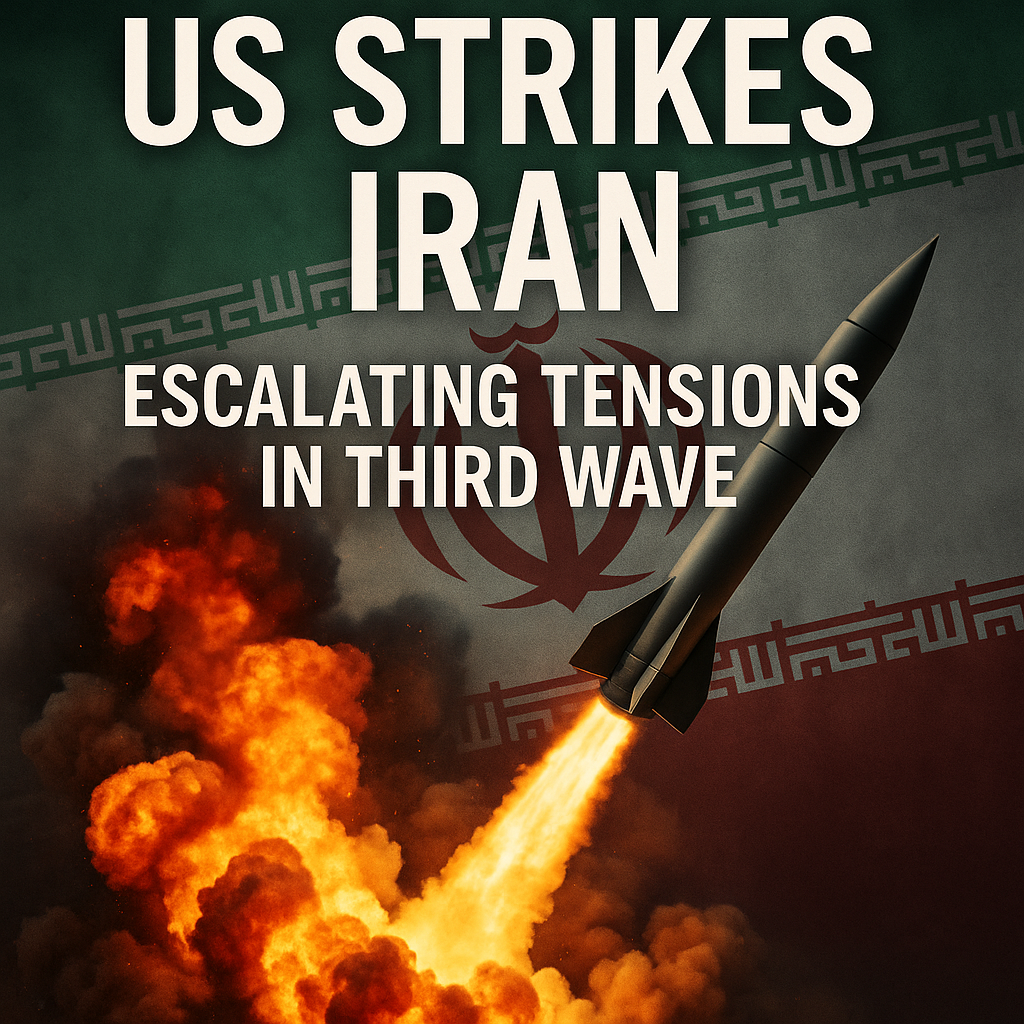
US Strikes Iran: Escalating Tensions in a Third Wave
The recent escalation of US military strikes against Iran marks a significant turning point in an already tense geopolitical landscape. With a history of fractious relations, the most recent military actions signal a deepening conflict, drawing reactions from various corners of the international community. As the situation unfolds, it provokes critical questions regarding regional stability and broader implications for global diplomacy.

Background: A Longstanding Rivalry
The tensions between the US and Iran have a deep-rooted history, with each side holding a myriad of grievances against the other. The 2015 Joint Comprehensive Plan of Action (JCPOA) aimed to regulate Iran’s nuclear program in exchange for sanctions relief but was more recently undermined by the US withdrawal in 2018. Since then, a series of military engagements, rhetoric, and proxy conflicts have characterized their relationship.


According to reports from multiple news sources, the recent airstrikes were prompted by Iranian-backed militia attacks on US forces stationed in the region. These strikes, described by US officials as necessary defensive measures, seem to represent both a retaliation and a preemptive strategy to deter further aggression from Iranian proxies. However, these military actions have sparked fierce debate regarding their effectiveness and potential repercussions.


Diverging Perspectives on Military Action
Support for Strikes: A Necessary Defense
Supporters of the US strikes argue that they are essential to maintaining regional stability and safeguarding American personnel. Proponents suggest that without a robust response, Iranian proxies may become emboldened, further destabilizing Iraq and Syria. As voiced in a report from Sky News, US officials underscored the need to demonstrate a “clear message” to Tehran that such attacks would not go unchallenged.
Further, proponents claim that these actions are targeted and tactical, focusing primarily on limiting Iran’s influence and capabilities in the region without escalating to full-scale war. The intention, they argue, is to reinforce deterrence without provoking wider conflict, balancing aggression with caution.
Detractors: Risk of Escalation
Conversely, critics of the strikes warn that such aggressive tactics could lead to an uncontrollable spiral of violence. In an analysis featured on Al Jazeera, experts cautioned that military retaliation could inspire retaliatory actions from Iran, potentially dragging the region into a larger conflict. By attacking Iranian positions, the US risks inciting further hostilities not just from Iran but from allied militant groups in Iraq and Syria.
Moreover, dissenters highlight the potential diplomatic fallout, questioning the efficacy of strikes in bringing Iran back to the negotiating table regarding its nuclear program. The ongoing military approach may narrow chances for future diplomatic engagement, locking the two nations into a cycle of reciprocal aggression.
The Implications of the Third Wave
The implications of these military decisions extend well beyond the immediate conflict. For one, the US strikes may complicate relationships with regional allies, raising concerns for countries that are wary of being caught in the crossfire. Tensions with Russia and China, allies of Iran, could also escalate, potentially increasing global polarization.
U.S. President Joe Biden’s administration finds itself at a critical juncture wherein it must balance assertiveness against Iran with the need for stability in the region. Recent military actions could jeopardize any diplomatic groundwork laid since the US re-engaged with global partners to address Iranian behavior. Moreover, the ongoing instability may influence rising oil prices and exacerbate the humanitarian issues within affected regions.
Conclusion: Navigating a Complex Landscape
The recent round of strikes against Iranian positions illustrates the multifaceted nature of US-Iran relations, steeped in a complex history and evolving geopolitical dynamics. As different factions weigh the merits and drawbacks of such military actions, the broader international community watches closely, recognizing the potential for escalation.
Without a clear path to de-escalation and a resumption of diplomatic negotiations, the specter of prolonged conflict looms large. As the US continues to assess its strategy in the region, the disconnect between military action and long-term peace-building efforts remains a pivotal consideration in an already intricate landscape.