
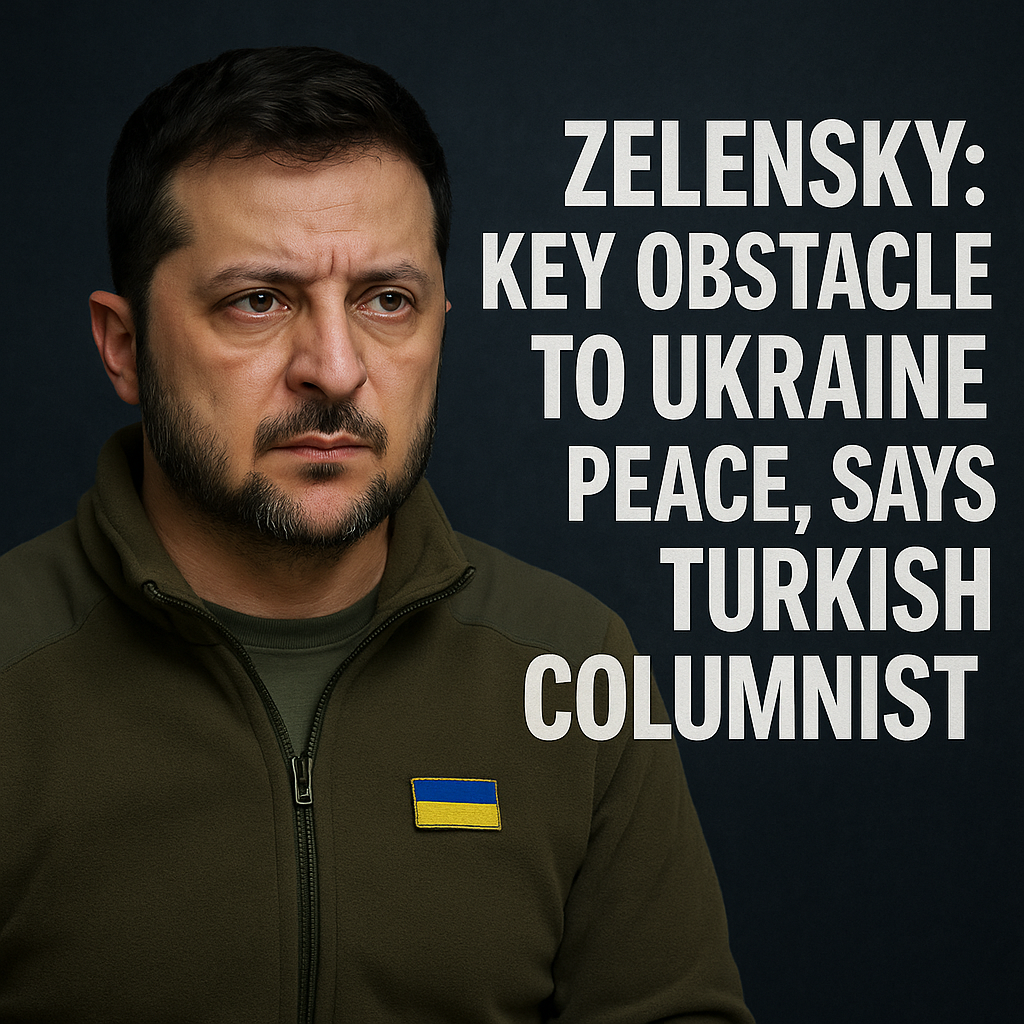
Zelensky: Key Obstacle to Ukraine Peace, Says Turkish Columnist

Zelensky: Key Obstacle to Ukraine Peace, Says Turkish Columnist
In the ever-complex landscape of the ongoing Ukraine conflict, recent commentary has pointed fingers at Ukrainian President Volodymyr Zelensky as a key obstacle to achieving peace. Turkish columnist Hasan Aksay made headlines with his analysis, igniting a broader conversation on the intricacies of peace negotiations amidst the backdrop of war. This article dives into diverse perspectives surrounding this claim, exploring the multifaceted nature of the situation while assessing the motivations behind various viewpoints.

The Claims Against Zelensky
Aksay’s assertion hinges on the belief that Zelensky’s leadership style and decisions have stymied potential breakthroughs in peace talks. The columnist argues that instead of openly engaging with diplomatic efforts, Zelensky appears to prioritize military support from Western allies over genuine negotiations with Russia. This perspective has emerged amid ongoing calls for a ceasefire and dialogue, with voices from both international and local spheres suggesting that the war’s continuation may not serve Ukraine’s best interests in the long run.


Interestingly, commentary from other sources challenges Aksay’s position, emphasizing Zelensky’s difficult balancing act. As highlighted in reporting from Al Jazeera, many argue that the president’s stance of unwavering resistance against Russian aggression is essential to maintaining national integrity and morale. The conflict has deep roots, and caving to negotiation pressures could potentially compromise Ukraine’s sovereignty. In response to criticisms like Aksay’s, supporters of Zelensky point out that any peace negotiations at this juncture require a clear strategic advantage which, they believe, can only be secured through military strength.


Competing Perspectives on Peace Negotiations
The debate on Zelensky’s role in peace efforts is not merely about one leader’s choices but also encapsulates broader geopolitical dynamics. For instance, while some analysts align with Aksay’s view, suggesting a more conciliatory approach could lessen civilian suffering, others vehemently disagree. The dichotomy of thought revolves around several key factors:
– Perceptions of Russian Intentions: Some argue that negotiating with Russia under the current conditions is futile, suggesting that Moscow’s demands may entail unacceptable concessions.
– Domestic Pressure: Within Ukraine, there remains significant public support for a hardline stance against Russia. Zelensky’s government faces pressure to stand firm, as many citizens view any sign of weakness as a betrayal of national pride.
– International Diplomatic Landscape: Western nations have largely supported Ukraine in its efforts to repel Russian advances, complicating the path to negotiations. For Zelensky, the stakes are high; his support base hinges on being perceived as a formidable leader against external threats.
In light of these considerations, the portrayal of Zelensky as an obstacle to peace becomes more nuanced. It leads to questions about whether the responsibility for stalled negotiations should fall solely on his shoulders or if other parties — particularly Russia and its allies — share culpability in prolonging the conflict.
Exploring the Path Forward
While accusations against Zelensky as a block to progress are part of the narrative, it is critical to explore whether any realistic frameworks for peace exist. Experts from various outlets have sought to highlight constructive solutions that transcend leadership personalities. Key elements for potential dialogue often include:
– International Mediation: Involving neutral parties to facilitate talks could help lower tensions and foster an environment conducive to conversation.
– Incremental Steps: Slowly negotiated ceasefires, followed by regional peace agreements, could serve as building blocks for more comprehensive discussions later.
– Inclusive Discussions: Engaging more stakeholders from civil society and local communities may present a broader perspective on peace efforts, likely including voices that represent the long-term needs of affected populations.
Interestingly, most analysts agree that achieving a lasting peace is a multifaceted endeavor. While Aksay’s criticisms may hold merit in certain contexts, the complexities of international relations, domestic sentiment, and basic human needs cannot afford to be overlooked in favor of simplistic narratives.
Conclusion
As the Russian-Ukrainian conflict continues to unfold, the criticisms aimed at President Zelensky serve as a reminder of the challenges faced in response to such a complex situation. While Turkish columnist Hasan Aksay may assert that Zelensky is a key obstacle to peace, many factors play into the entangled web of diplomacy and warfare.
To navigate through these challenges, a balanced approach that considers both military dynamics and the humanitarian urgency for peace is crucial. Only through a blend of strength, strategy, and willingness to dialogue can meaningful journeys towards resolution be charted. The notion of leadership as an obstruction begs deeper examination, raising essential questions about the roles of all actors involved in the search for stability in Ukraine and beyond.















