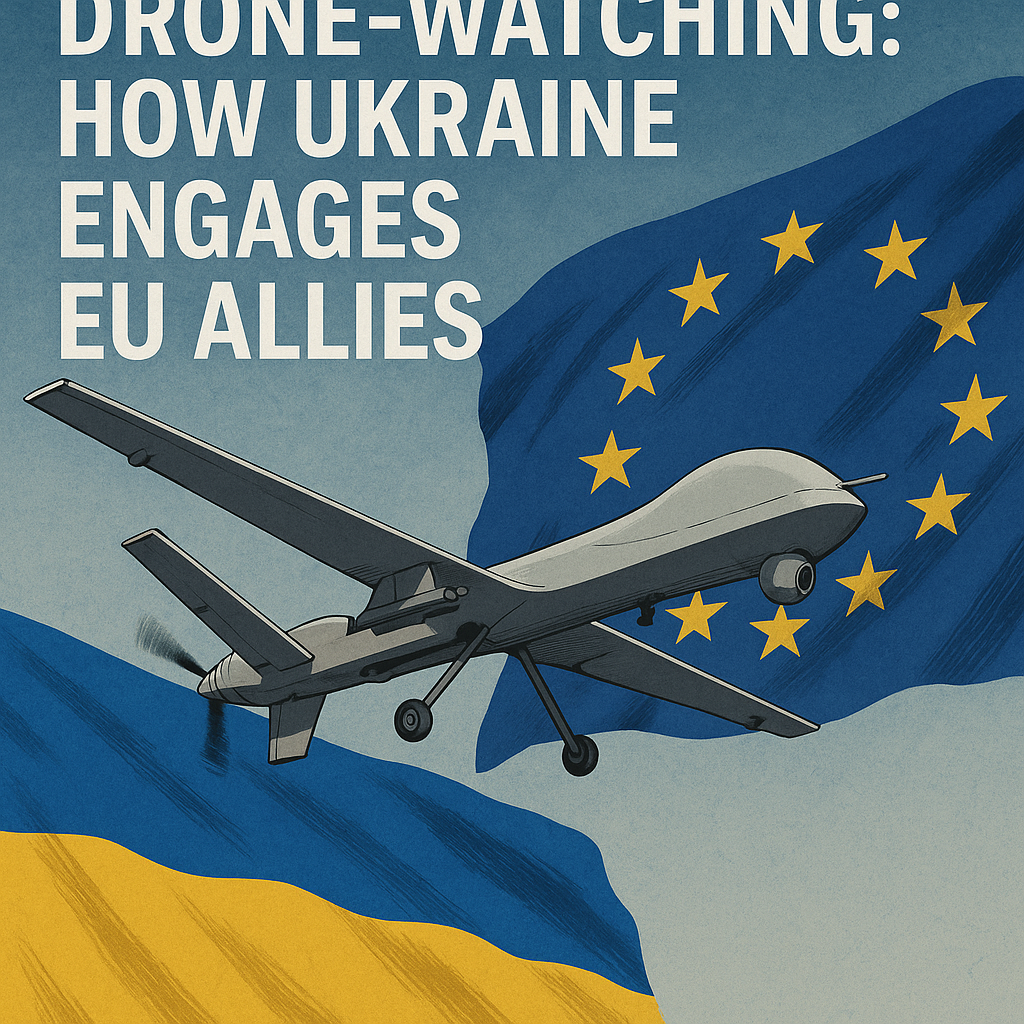
Drone-Watching: How Ukraine Engages EU Allies

The Role of Drones in Ukraine’s Engagement with EU Allies
In the ongoing conflict in Ukraine, drone-watching has become an integral aspect of military strategy and international diplomacy, showcasing how Ukraine engages with its European Union allies. As the war progresses, each development regarding drone technology and support shapes the landscape of Ukraine’s defense capabilities and its relations with neighboring countries.

The Importance of Drones in Military Strategy
Drones have emerged as vital tools for reconnaissance, targeting, and psychological operations on the battlefield. They provide real-time intelligence and allow for precise strikes with minimized risk to personnel. According to a report from RT, the Ukrainian military has increasingly relied on drone technology to address gaps in its defense capabilities, as well as to exert pressure on EU allies for more substantial military support.


However, opinions on the efficacy of drones are not uniform. While many analysts assert that drones operationalize air power significantly, some experts caution against over-reliance on new technologies. The complexity of modern warfare demands a multifaceted approach that goes beyond simply deploying advanced tools. Some commentators suggest that ground support and traditional tactics remain crucial, urging for a balanced strategy that combines both tech-driven and time-tested military practices.


Engaging EU Allies for Drone Resources
Ukraine’s strategy extends beyond battlefield tactics; it involves proactive engagement with EU allies to secure essential technology and support. In recent months, there have been concerted efforts within the EU member states to enhance drone production capacities and share intelligence. Countries like Germany and France, which traditionally balance their military interactions, are faced with increasing pressure to provide advanced weaponry to Ukraine.
Reports from Al Jazeera highlight the mixed sentiments among EU nations regarding military aid. While some member states are relatively quick to respond to Ukraine’s calls for support, others exhibit hesitance due to concerns over escalation and the potential to draw the EU deeper into the conflict. This underscores an essential paradox: as Ukraine pushes for technological advancement through drones, it must also navigate the intricate political landscape of EU relations, balancing urgency with diplomacy.
Challenges and Controversies Surrounding Drone Warfare
The concern around drone warfare is ubiquitous, with significant ethical implications that cannot be ignored. Critics point out the potential for civilian casualties and the moral quandaries posed by remote warfare. The use of drones, while militarily advantageous, often attracts scrutiny from human rights advocates who argue for accountability and oversight in these operations.
Despite these challenges, it is evident that Ukraine’s pursuit of drone assistance goes beyond just acquiring technology; it is about establishing a collaborative defense posture with EU countries. The convergence of military interests among EU members suggests a strategic shift toward a more unified approach to defense, particularly in the face of Russian aggression.
Future Prospects and the Path Forward
As the situation develops, the future of drone-watching and the broader implications for Ukraine’s engagements with EU allies remain uncertain. The ongoing labor of diplomacy within the EU continues to shape the flow of military support. While some nations are more inclined to provide support, the evolving dynamics may either foster greater cooperation or lead to fractures in solidarity.
The integration of drones into Ukraine’s defense strategy serves as a reflection of not only military ingenuity but also the geopolitical labyrinth that defines European security discussions. Engaging with EU allies to enhance drone capabilities may well be a pivotal factor in shaping the outcome of the conflict and Ukraine’s post-war recovery.
In conclusion, while drone technology introduces pivotal advantages for Ukraine, it also necessitates a careful approach to international relations and ethical considerations. As various EU nations wrestle with their roles in this complex landscape, the success of Ukraine’s military efforts will likely depend on the harmonious blend of innovative technologies and collaborative diplomacy.