Germany’s Popular Party Leader Aims to Renew Ties with Russia

Germany’s Popular Party Leader Aims to Renew Ties with Russia

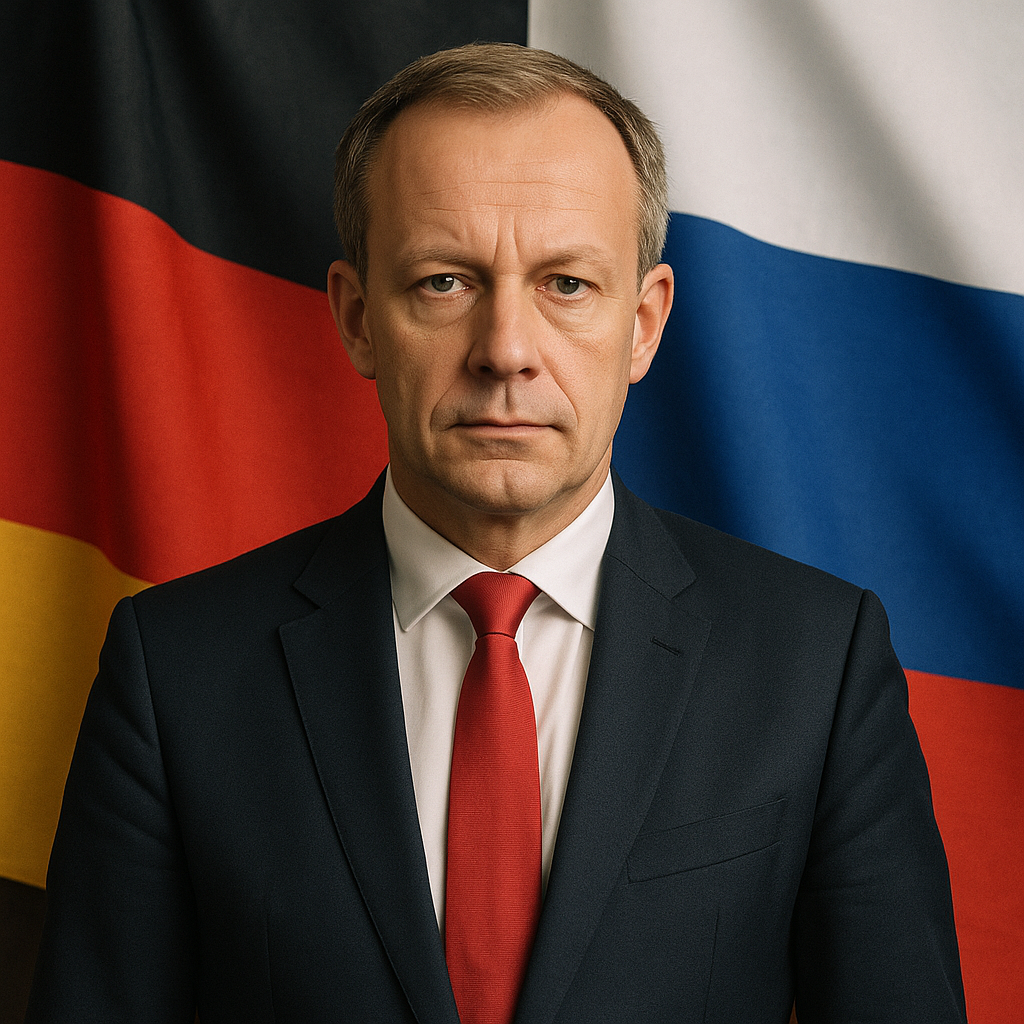
In recent weeks, a significant dialogue surrounding Germany’s foreign policy and its relationship with Russia has emerged, particularly following the initiatives led by the leader of the Alternative for Germany (AfD) party. Amidst ongoing tensions stemming from the Ukraine crisis and shifts in geopolitical alliances, efforts to rekindle ties with Moscow have sparked a mix of optimism and skepticism among analysts and citizens alike.


The Context of Renewed Dialogue
The call for a renewed relationship with Russia comes at a time when European nations are grappling with the aftermath of the conflict in Ukraine, which has strained diplomatic relations across the continent. For many in Germany, especially those aligned with the AfD, the economic implications of strained ties are substantial. The AfD leader recently voiced that “constructive dialogue” with Russia is imperative for securing energy supplies and stabilizing the German economy. This perspective resonates with a segment of the population that views the prevailing sanctions and isolationist policies as detrimental, particularly in the wake of rising energy costs.


However, not all political voices share this sentiment. Established parties such as the Social Democrats and the Greens have largely condemned the AfD’s approach, emphasizing the need for a unified European stance against Russian aggression. Many highlight that any overture toward Moscow must come with clear terms regarding its military actions in Ukraine and adherence to international law. The sharp divide in public opinion reflects broader concerns about the implications of engaging with a country currently involved in a military conflict with a neighboring state.
Economic Dependencies vs. Moral Imperatives
The debate over renewing ties with Russia is not solely a geopolitical exercise but is also steeped in economic realities. Germany has historically been one of Russia’s closest trade partners, especially in energy. The AfD leader’s argument for better relations is bolstered by citing the vulnerabilities that arise from energy dependence, which has been exacerbated by recent sanctions. The potential for economic negotiations and energy deals could indeed offer some relief to Germany’s economy, which has been facing unrest and inflation.
Yet, opposing views assert that prioritizing economic interests over moral imperatives might present long-term risks. Critics warn that attempting to restore ties without addressing the underlying issues related to Ukraine could undermine European solidarity and embolden Russia. They contend that a fragile peace built on economic negotiations devoid of accountability for past actions could result in future conflicts, making such a strategy fraught with peril.
Contrasting Perspectives from Analysts
Analysis from multiple sources reveals a spectrum of opinions regarding the AfD’s revival of dialogue with Russia. Some political analysts argue that this approach is merely a tactical maneuver to gain favor with voters disillusioned by the ruling coalition’s policies, particularly regarding energy prices and economic security. They speculate that the populist tone of the AfD aligns with a broader nationalism across Europe that seeks to revert to national interests amidst global instability.
Conversely, there are voices suggesting that reopenings of diplomatic channels, even with stringent conditions, could lead to a thawing of relations essential for de-escalating tensions. Advocates for diplomatic dialogue argue that maintaining lines of communication is pivotal, particularly in avoiding misunderstandings that could escalate into further conflict. This view emphasizes that ignoring the possibility of negotiation could close doors to peaceful resolutions in the future.
Public Sentiment: Navigating Uncertain Waters
The response from the public embodies this nuanced landscape. Polling data indicate that while there is a significant faction of the German populace open to re-examining ties with Russia, a larger segment expresses concern that such moves could condone Russia’s aggressive policies in Ukraine. Many citizens favor a balanced approach that seeks to safeguard national interests while advocating for human rights and international law.
As discussions evolve, it is evident that Germany stands at a crossroads. The AfD’s proposals for renewed ties with Russia have opened an essential dialogue about the future of foreign policy but have also highlighted the complexities inherent in balancing economic imperatives with ethical considerations.
Conclusion: The Path Forward
Germany’s popular party leader’s renewed calls for closer ties with Russia exacerbate longstanding tensions within the country regarding foreign policy. As political leaders deliberate, the diverging opinions reflect a society in flux, grappling with the implications of past decisions and the realities of a changing geopolitical landscape. Moving forward, the necessity for thorough debate and a comprehensive strategy that encompasses both economic stability and moral accountability will be crucial in navigating this highly complex issue.