Gulf Collective Security Strategies Post-Iran War

Gulf Collective Security Strategies Post-Iran War
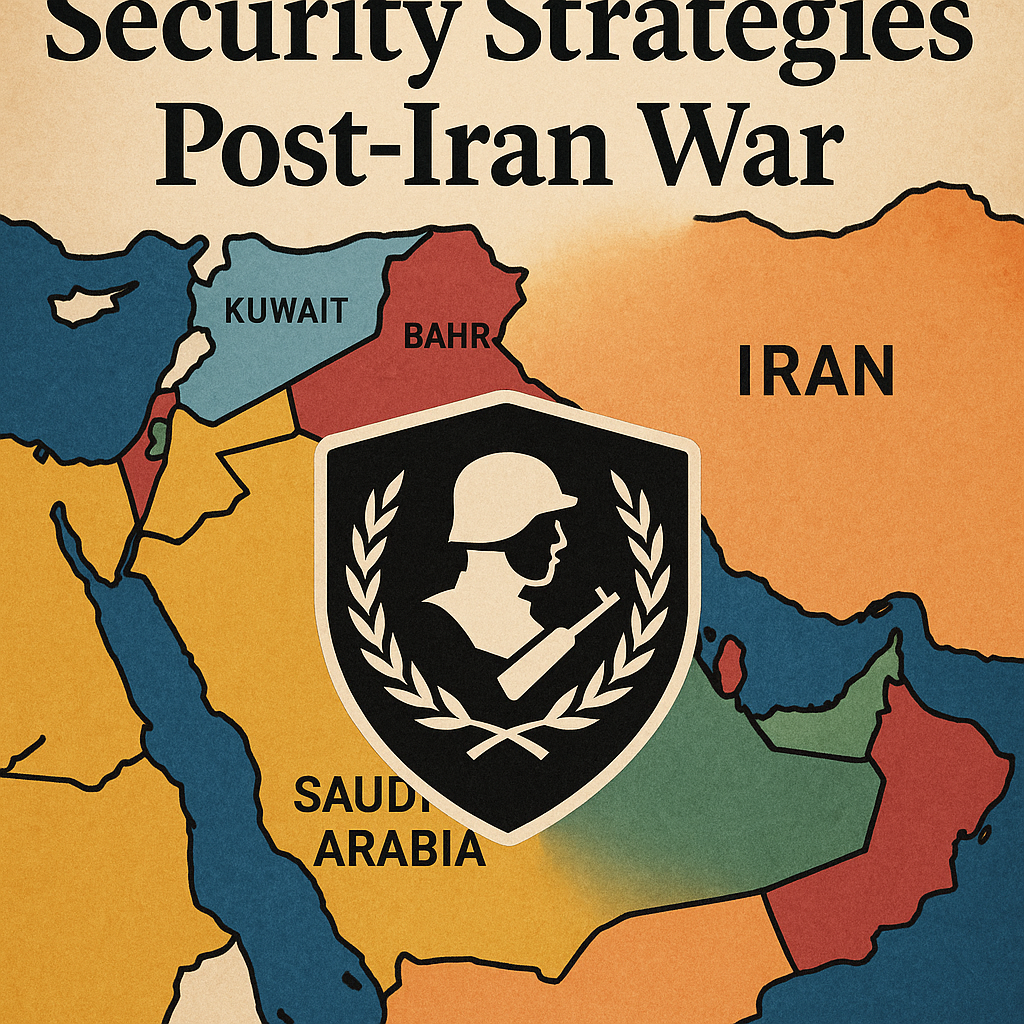
In the wake of the Iran War, the Gulf region faces a pivotal moment in defining its collective security strategies. The conflict, which has reshaped geopolitical alliances and security concerns, necessitates a comprehensive approach to ensure sustained peace and stability among Gulf states.

Assessing the Current Landscape
As the dust settles from the Iran War, Gulf states are reassessing their security frameworks amid a backdrop of shifting alliances and new threats. Historically, Gulf Cooperation Council (GCC) members have relied heavily on external powers, particularly the United States. However, the war has highlighted vulnerabilities in this reliance, prompting nations to consider more autonomous security strategies.


Response and Adaptation
According to a report by Al Jazeera, the region’s collective security strategies are currently being driven by increased cooperation among Gulf states—particularly through military alliances and intelligence sharing. The GCC’s existing infrastructure is set to be bolstered by joint military exercises and the establishment of rapid response units. This shift is viewed as essential for countering any potential Iranian expansionism.


Conversely, Russia Today emphasizes the urgency of developing regional frameworks independent of Western influence. In light of changing U.S. foreign policy and diminishing military engagement in the Middle East, Gulf nations are contemplating a cohesive regional strategy that can stand on its own. This involves dialogues aimed at de-escalating tensions with Iran, contrasting with more traditional security approaches that favored confrontation.
Nuanced Approaches to Security
Given differing perspectives among Gulf nations, a nuanced approach to collective security has emerged. While militarization and deterrence are significant focus areas, diplomatic strategies also play a crucial role in shaping the future landscape.
Focus on Diplomacy
Sky News highlights initiatives aimed at fostering dialogue with Iran, suggesting that Gulf states recognize the need for diplomacy alongside military readiness. The ability to negotiate and establish communication channels is seen as essential in preventing future conflicts. Multiple sources indicate a growing understanding that prolonged hostility can disrupt economic growth and regional stability, compelling even the most security-focused nations to pursue diplomacy.
Security Dilemmas
However, not all Gulf states share the same visions for future cooperation. Some countries, driven by historical grievances and distrust towards Iran, advocate for a hardline security doctrine. These nations may perceive diplomatic engagement as a sign of weakness, resulting in a divide among GCC members regarding the best approach to take. This discord raises questions about the effectiveness of a unified security strategy and the challenges policymakers face in reconciling these differing viewpoints.
Conclusion: The Path Forward
As regional dynamics continue to evolve post-Iran War, Gulf nations find themselves at a crossroads. The interplay of military preparedness and diplomatic engagement illustrates the complex landscape of collective security strategies in the region. While there is a movement towards strengthening alliances and fostering dialogue, the diverse perspectives on security ensure that moving forward requires careful negotiation and consensus-building.
The uncertainty surrounding the long-term implications of these strategies is palpable. Will Gulf states effectively navigate their differences to forge a cohesive pathway towards security? Or will historical anxieties overshadow progress, leading to further fragmentation? As the situation develops, the collective security strategies employed will be integral not just to Gulf countries but also to the broader context of Middle Eastern stability. As such, sustained dialogue among member states will remain paramount in shaping the future of Gulf security.