Hormuz Tensions: Trump Threatens Iran, Ceasefire at Risk

Hormuz Tensions: Trump Threatens Iran, Ceasefire at Risk
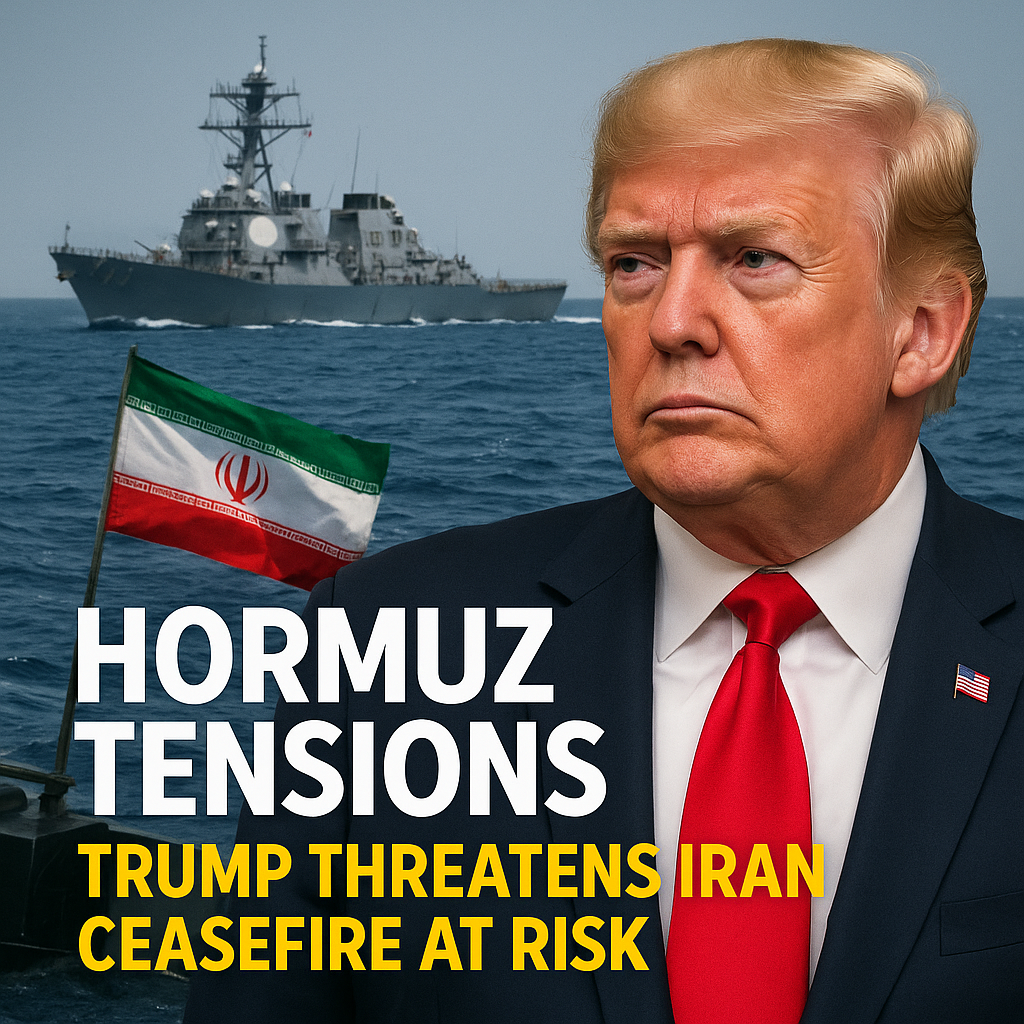
As tensions in the Hormuz Strait escalate, the threat of conflict looms large, especially considering former President Donald Trump’s recent remarks about Iran. The ongoing situation poses significant risks not only to regional stability but also to global oil markets and international diplomacy.

A Dangerous Standoff
The Strait of Hormuz, a critical maritime chokepoint through which a significant portion of the world’s oil supply passes, has become the spotlight for rising tensions between the United States and Iran. According to Al Jazeera, Trump’s comments regarding Iran have heightened concerns that a ceasefire, which had previously seemed promising, is now teetering on the brink. The former president hinted at potential military action, asserting that Iran’s nuclear ambitions pose a “grave threat” to the United States and its allies.


Meanwhile, Iranian officials have responded defiantly to the threats, reinforcing their stance against what they perceive as American aggression. The Iranian Foreign Ministry emphasized that any military action would be met with “swift and decisive” retaliation, highlighting Tehran’s commitment to defending its sovereignty.


Diverse Perspectives on U.S.–Iran Relations
The interplay of perspectives on U.S.–Iran relations reflects a complex web of historical grievances, economic sanctions, and shifting geopolitical allegiances. Proponents of a hardline stance, like Trump, argue that continuing pressure on Iran is essential to curb its nuclear aspirations and prevent the Islamic Republic from exerting further influence in the region. They contend that previous engagements have only emboldened Iran, leading to increased provocations and regional destabilization.
On the other hand, critics warn that an aggressive U.S. posture could undermine diplomatic efforts aimed at achieving a lasting peace. Recent articles from RT reinforce this viewpoint, suggesting that a military approach may further entrench hostilities rather than foster negotiation. Diplomacy, they argue, should replace threats and sanctions as the primary means of addressing Iran’s ambitions.
The Economic Implications
The stakes are not just geopolitical; the economic ramifications of heightened tensions in the Hormuz Strait are considerable. Approximately 20% of the world’s oil supply passes through this narrow passage. Any disruption—be it from military confrontations or heightened security measures—could lead to fluctuations in global oil prices, impacting economies far beyond the Middle East.
Al Jazeera reports that market analysts are already bracing for potential volatility, with oil prices surging in response to Trump’s declarations and Iran’s subsequent vows to retaliate. Investors are wary; even the hint of conflict raises alarms about supply disruptions that could escalate quickly, affecting everything from gas prices at the pump to heating costs during the winter months.
Navigating the Path Forward
Given these complexities, finding a pathway toward de-escalation becomes critically important. Both the U.S. and Iran must navigate their respective political landscapes carefully, as domestic concerns play a significant role in shaping their international postures. For Trump, taking a tough stance resonates with his base, who view Iran as a primary adversary. Conversely, Iranian leadership must display strength to maintain domestic legitimacy while also considering the potential economic fallout of continued confrontation.
In a climate so charged with tension, it is essential for both nations, as well as the international community, to pursue dialogue. Engaging in backchannel communications could pave the way for cooler heads to prevail. As pointed out by various analysts, increasing engagement between diplomatic channels could help mitigate risks, building on past agreements like the Joint Comprehensive Plan of Action (JCPOA), despite its current frailty.
A World on Edge
The ramifications of U.S.–Iran tensions extend globally. Allies and adversaries alike are closely monitoring the situation, as any miscalculation could have dire consequences. European nations, particularly those invested in their energy security, are advocating for renewed dialogues that prioritize peace over war. In stark contrast, proponents of military actions predict that only a display of strength will garner respect from Tehran.
Ultimately, there remains a palpable uncertainty regarding how the situation will unfold. With both sides entrenched in their positions, a de-escalation strategy may seem distant. However, if history has taught us anything, it is the importance of maintaining avenues for conversation, even during challenging times.
In conclusion, the tensions surrounding Hormuz present a formidable challenge not only for the U.S. and Iran but for the entire international community. While the rhetoric may be heated, the need for thoughtful diplomacy and strategic engagement has never been more crucial. The stakes are high, and the world watches closely as events continue to develop.