Israeli Opposition Signals Foreign Policy Shift in Style

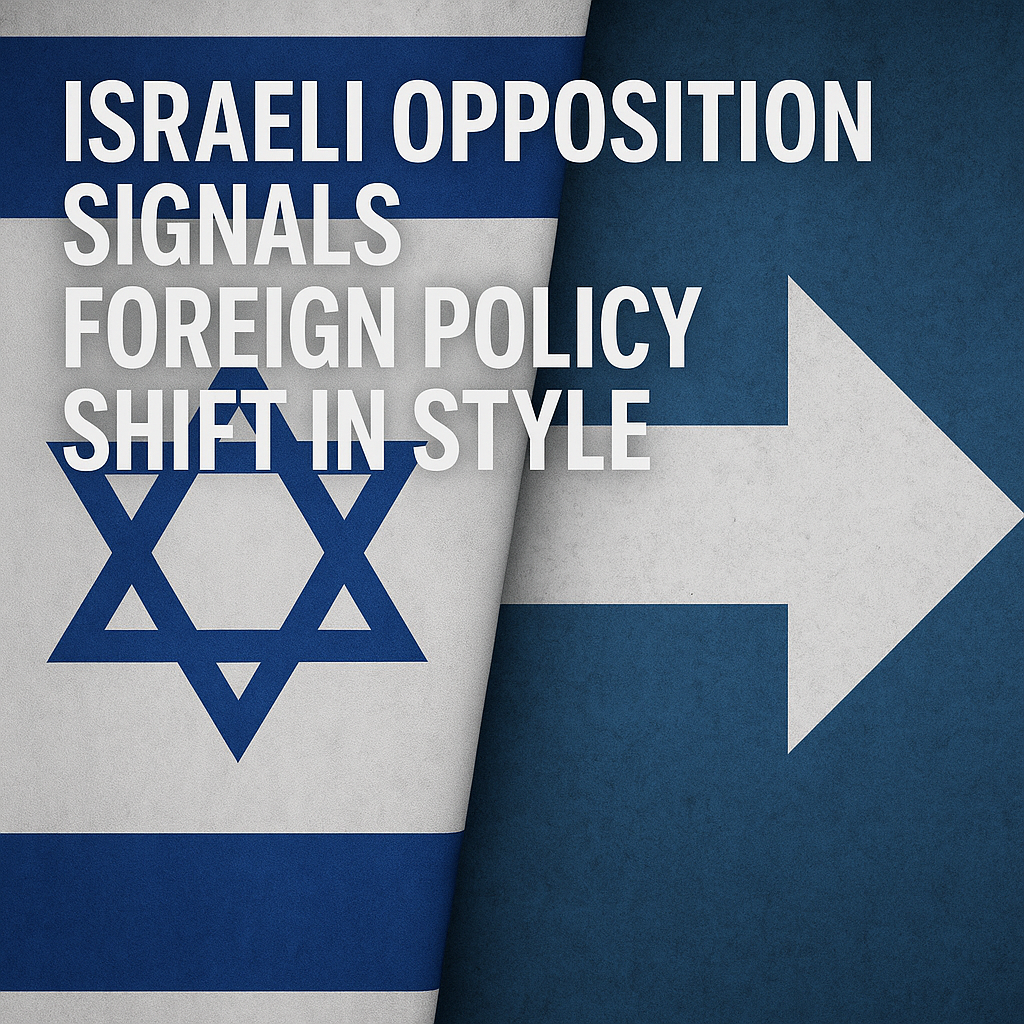
Israeli Opposition Signals Foreign Policy Shift in Style
In a notable political development, the Israeli opposition has begun to signal a potential shift in foreign policy style that may reflect broader changes within its political landscape. While the core tenets of Israel’s foreign policy appear stable, the new rhetoric and approaches introduced by opposition leaders could indicate a significant evolution in how diplomatic relations and international engagements are handled.

The Context of Change
Historically, the Israeli political scene has been characterized by stark divides between the ruling coalition and the opposition, particularly regarding foreign policy. The recent discourse from opposition leadership suggests an intention to adopt a more conciliatory and diplomatic tone. According to Al Jazeera, while the essence of policies—particularly in critical areas involving Palestine, Iran, and relations with global powers—remains unchanged, the manner of delivery and engagement is evolving.


For instance, the opposition’s new communication strategy seeks to promote dialogue rather than conflict, reflecting a broader call for unity and a more collaborative international approach. With rising tensions in the region, especially around issues like the ongoing Israeli-Palestinian conflict and relations with neighboring Arab states, there seems to be a recognition that softening rhetoric could facilitate more productive discussions.


Diverging Perspectives
From one viewpoint, the opposition’s shift in style can be seen as a politically motivated maneuver to attract public support and regain influence after years of being marginalized. Critics argue that while the tone may be different, the substantive policies might still align closely with the current government’s stances. This notion is echoed in reports from RT, which assert that although the opposition is adopting a softer tone, they may simply be repackaging long-standing positions to present them in a more palatable light.
Conversely, proponents of the opposition’s strategy contend that changing the conversation around foreign policy is essential for fostering better diplomatic relationships. This perspective emphasizes that communication is as vital as the policies themselves. As regional dynamics grow more complex—especially with the shifting positions of global powers regarding the Middle East—the need for a diplomatic approach that embraces dialogue is underscored as crucial.
The Implications for Israeli Foreign Relations
The implications of a stylistic shift in foreign policy could be far-reaching. It can alter how Israel is perceived on the global stage, potentially softening the international community’s criticism while paving the way for constructive partnerships. For example, a change in tone could facilitate improved relationships with European nations that have been critical of Israel’s policies, especially regarding human rights issues.
Additionally, as reported by Sky News, the timing of this change may also correlate with upcoming elections, where public sentiment is increasingly favorable towards fresh approaches in governance and diplomacy. If the opposition can successfully convey a message of willingness to engage, it may not only alter internal party dynamics but also position Israel as a more cooperative player in global politics.
##### Uncertain Dynamics Ahead
Despite the promising signs, the potential for genuine change remains ambiguous. Should the opposition gain power, the question arises: Will they follow through with a fundamentally different style of foreign policy, or will they revert to traditional stances once in office? Observers note that walking the fine line between rhetoric and reality is common in political discourse, and skepticism remains high regarding the permanence of these changes.
The landscape is further complicated by regional developments. With ongoing tensions with Iran, the Hamas-led Gaza Strip, and the volatile situation in Lebanon, the opposition must navigate these challenges carefully. An overambitious pivot or a failure to respond effectively could make the opposition’s new approach fall flat, leading to disillusionment amongst supporters and critics alike.
In conclusion, the Israeli opposition’s signal of a foreign policy shift in style reveals a nuanced landscape of political maneuvering. While the underlying policies may not dramatically change, the rebranding of diplomatic engagement indicates a growing awareness of the need for effective communication. As the global political environment continues to evolve, the results of this strategic pivot will be vital to monitor, particularly in how it influences Israel’s future relations on the international stage.