Lawsuit Aims to Block Trump’s White House UFC Match

Lawsuit Aims to Block Trump’s White House UFC Match
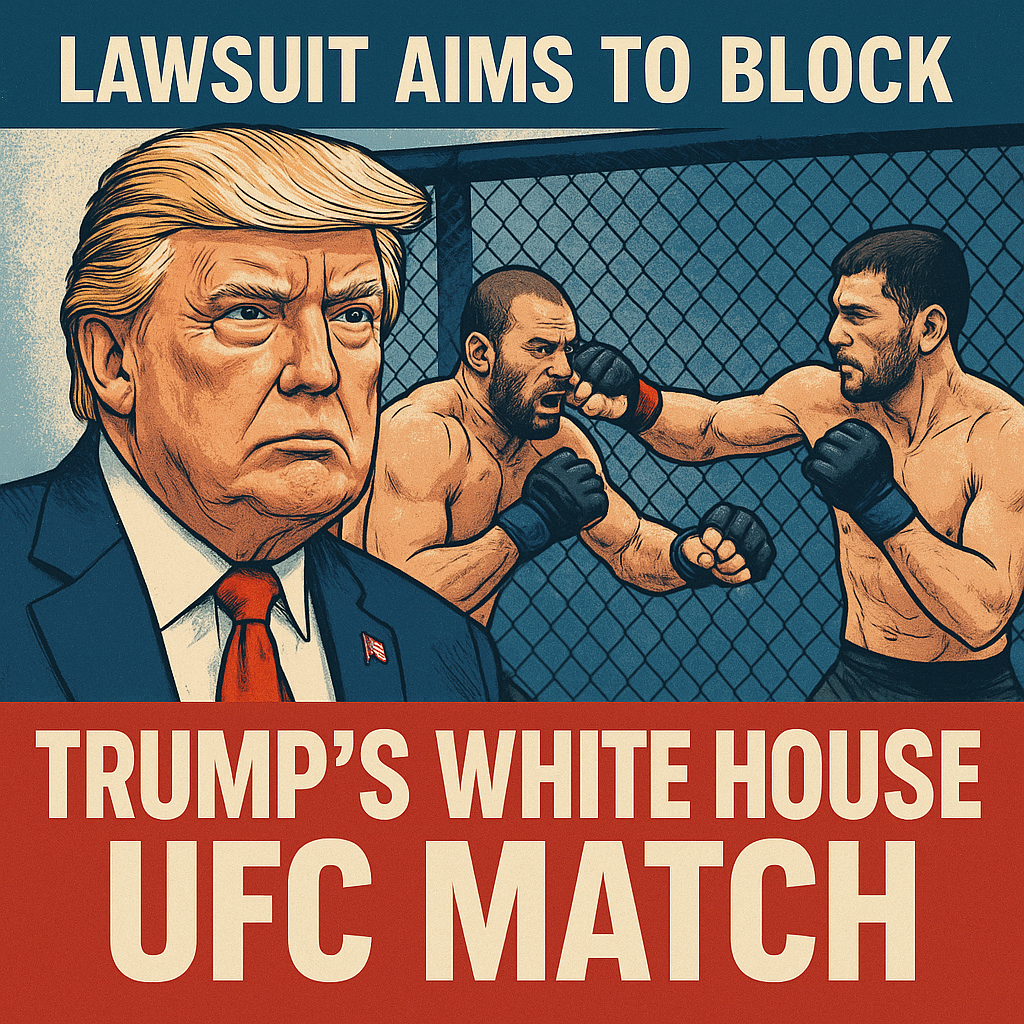
A recent lawsuit seeks to halt a controversial UFC match planned for the White House during Trump’s upcoming event, stirring discussions on legality and appropriateness in the political arena. This lawsuit highlights not only the peculiar scenario of a combat sports event taking place within the seat of power but also raises questions about the intersection of entertainment and governance.

The Legal Controversy
The lawsuit, filed by a group of concerned citizens and political activists, claims that holding a UFC match at the White House could violate various laws, including ones concerning public safety and the use of government property for personal enrichment. The plaintiffs argue that turning the iconic building into a commercial venue undermines its dignity and appropriates public space for private ventures.


Experts are divided on the legality of the event. Some legal commentators suggest that the federal government possesses considerable discretion in deciding how to use public facilities. They argue that if proper permits are obtained, and safety regulations are adhered to, the match could technically proceed, albeit with potential backlash. On the other hand, attorneys representing the plaintiffs contend that such an event would set a troubling precedent about the use of federal grounds for commercial profit.


Public Reaction and Political Ramifications
Public reaction to the lawsuit has been mixed. On social media platforms, some individuals express outrage, viewing the planned match as an unprecedented spectacle that trivializes the presidency. Critics argue that the event is emblematic of a larger trend where political figures increasingly blur the lines between governance and entertainment, particularly in an age dominated by celebrity culture. As one political commentator put it, “We are witnessing a reality show presidency that continually undermines the gravitas of the office.”
Conversely, some supporters of Trump view the lawsuit as a politically motivated attack. They argue that the former president is merely capitalizing on the popularity of UFC—a sport that has gained considerable mainstream traction. Enthusiasts of mixed martial arts argue that such events can foster a sense of community and provide entertainment value, contributing to the national discourse in their unique way. Additionally, many supporters emphasize the importance of allowing the public to access its leaders in a more informal setting.
The Broader Implications
The implications of this lawsuit extend beyond the simple legality of hosting a UFC match at the White House. It raises critical questions about the role of the government in regulating events that blend politics and entertainment, along with the responsibilities of elected officials to uphold the public’s trust.
While one viewpoint holds that entertainment serves to engage citizens and demystify political figures, the opposing viewpoint underscores the risk of devaluing the significance of political offices. With the potential litigation hanging over the event, the question remains whether the public’s appetite for this kind of spectacle outweighs the value of maintaining institutional decorum.
Moreover, this situation highlights the ongoing discussions about the future of political decorum. As politics becomes more entwined with popular culture, society must navigate the fine line between engagement and trivialization. The dynamic between traditional political norms and modern pop culture could evolve significantly, as demonstrated by this lawsuit.
Conclusion
As the lawsuit moves forward, it serves as a reminder of the complexities that arise when politics and popular culture intersect. Advanced planning and public discourse will be crucial in determining the outcome of this case, reflecting broader societal debates about the role of entertainment in governance. Whether the UFC match will be able to take place at the White House or result in a legal debacle may very well impact not just the event itself but also future interactions between political figures and entertainment venues.