Trump Refuses to Unfreeze Iranian Assets Without Ceasefire

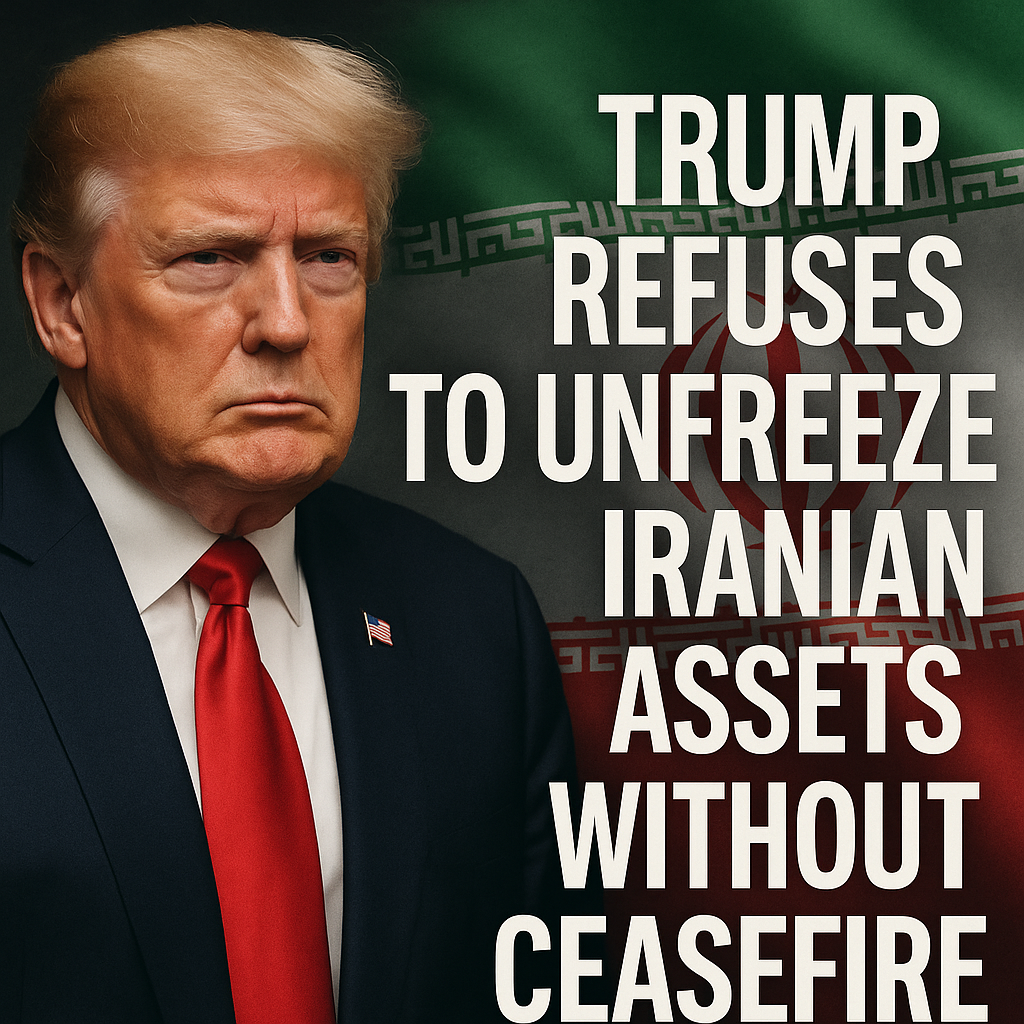
In a significant turn of U.S.-Iran relations, former President Donald Trump has made it clear that he will not consider unfreezing Iranian assets without a corresponding ceasefire agreement. This stance highlights the complexities surrounding negotiations and the potential implications for international diplomacy.

The Standoff Over Iranian Assets
Trump’s remarks came amidst ongoing tensions in the Middle East, particularly concerning Iran’s nuclear program and its role in regional conflicts. The assets, reportedly worth several billion dollars, have been frozen as part of sanctions imposed by the U.S. following Iran’s controversial nuclear activities and its support for militant groups in the region.


While some experts argue that unfreezing the assets could pave the way for more constructive dialogue, Trump emphasized that concrete actions such as a ceasefire must precede any financial concessions. His position reflects a broader sentiment among U.S. policymakers who believe that without significant steps towards peace, Iran could continue its destabilizing activities.


Diverse Perspectives on the Issue
Opinions on Trump’s refusal to release Iranian funds vary significantly, echoing the longstanding divide among political analysts, diplomats, and international observers.
On one hand, critics argue that Trump’s stance could hinder diplomatic efforts aimed at reining in Iran’s nuclear ambitions. Some analysts suggest that the financial relief could incentivize Iran to engage in negotiations, possibly leading to a more stable regional environment. For instance, scholars from certain think tanks propose that unfreezing assets tied to humanitarian efforts would help alleviate suffering and create goodwill between the two nations.
Conversely, proponents of Trump’s hard-line approach contend that any financial concessions granted to Iran should only come in exchange for verified commitments to halt aggressive behaviors, including missile tests and support for proxy groups throughout the region. This perspective emphasizes a “no concessions without accountability” philosophy, asserting that prior failures to enforce agreements have contributed to deteriorating conditions.
The Broader Impacts on U.S.-Iran Relations
The ongoing impasse over Iranian assets is not merely a bilateral issue but one with broader implications for global diplomacy. The relationship between the U.S. and Iran impacts not only the Middle East but also influences geopolitical dynamics involving nations like China and Russia.
For instance, Iran has been strengthening ties with both countries as it seeks alternatives to U.S. dominance in the region. If the situation remains stagnant, it could embolden Tehran to pursue more stringent alliances, complicating U.S. foreign policy goals. Moreover, varied responses from other nations could result in a multifaceted conflict, leading to a reconfiguration of allegiances and power structures.
Furthermore, domestic factors within the U.S. contribute to the complexity of the situation. Trump’s position is influenced by a significant portion of the American populace that remains skeptical about Iran, reflecting broader national concerns about national security and terrorism.
Conclusion: A Path Forward?
As it stands, Trump’s refusal to unfreeze Iranian assets without a ceasefire presents a formidable obstacle in efforts to achieve peace in the region. The differing perspectives highlight the complexity of international negotiations and the necessity for a multi-faceted approach to resolve longstanding conflicts.
While some advocate for diplomatic engagement through financial incentives, others caution against making concessions without concrete guarantees from Iran. The discussion fosters a critical question for policymakers: can stability in the Middle East be achieved through strict prerequisites, or is there room for more flexible approaches that could foster collaboration and eventual peace? While the situation remains fluid, it is clear that the choices made in the coming months will significantly shape the future of U.S.-Iran relations and the broader geopolitical landscape.