Netanyahu’s Iran Deal Dilemma: Trump’s Unyielding Stance

Netanyahu’s Iran Deal Dilemma: Trump’s Unyielding Stance
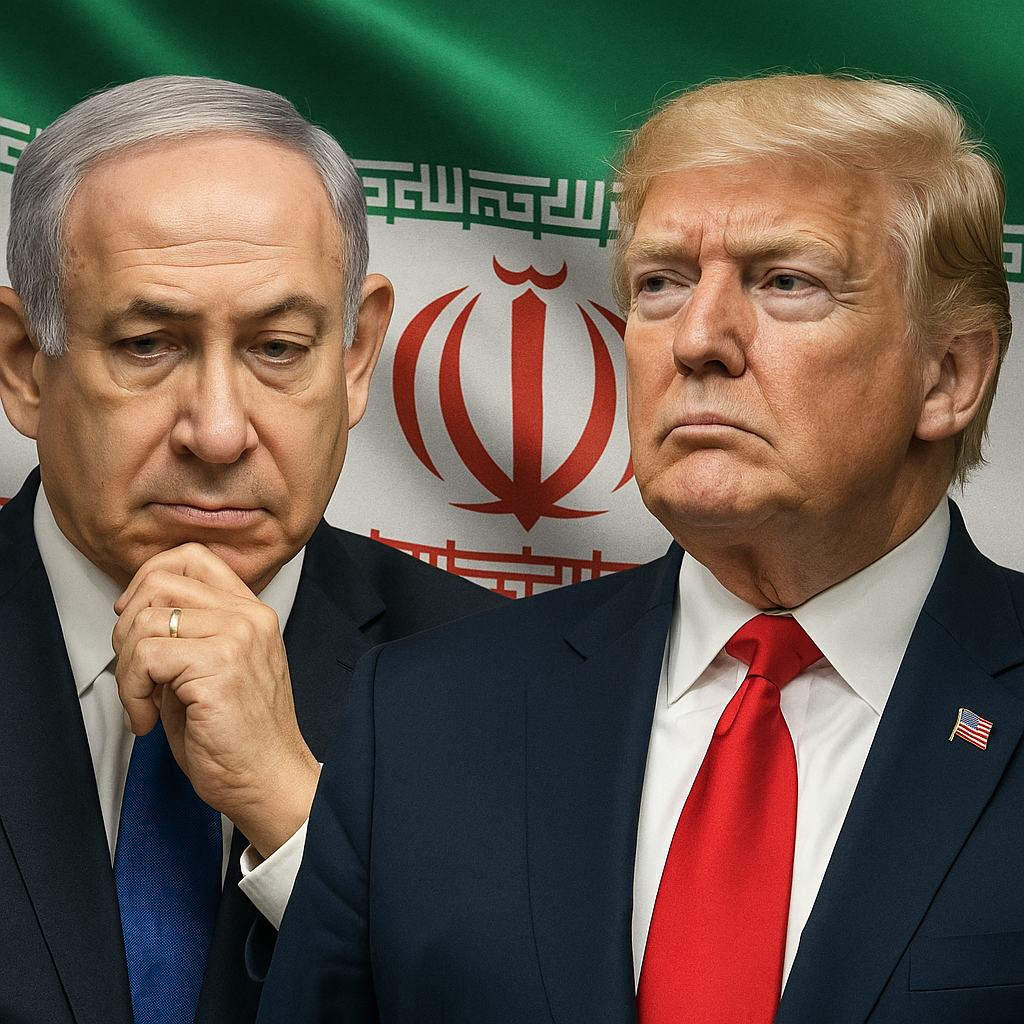
Benjamin Netanyahu’s administration is currently navigating a complex dilemma regarding the Iran nuclear deal, spotlighted by the unwavering stance of former President Donald Trump. The intricate interplay of international diplomacy, regional security, and domestic politics defines this situation, as Netanyahu faces mounting pressures both from ally nations and his constituency.

The Stakes of the Iran Deal
The Iran nuclear deal, formally known as the Joint Comprehensive Plan of Action (JCPOA), was designed to curtail Iran’s nuclear ambitions in exchange for economic relief. While it initially emerged as a cornerstone of peace in the region during the Obama administration, Trump’s decision to withdraw from the agreement in 2018 ignited profound geopolitical tensions. Critics of the deal warned that without oversight, Iran would race toward nuclear capability, leading to heightened risks for Israel and neighboring states.


Now, more than four years later, Netanyahu finds himself in a precarious position. With a more hostile Iran and the heightened enrichment of uranium, Israel’s security interests are increasingly at odds with the potential for a revived deal. While proponents argue that re-entering negotiations might mitigate threats, detractors from within Israel’s political landscape question the effectiveness of trusting a regime they view as inherently aggressive.


Divisions in Israeli Perspectives
Netanyahu’s dilemma is further complicated by a spectrum of viewpoints within Israel. Some lawmakers advocate for a hardline stance against Iran, reflecting a historical mistrust deeply embedded in the fabric of Israeli security policy. These voices stress the potential existential threat posed by a nuclear-armed Iran, arguing that any engagement with Tehran risks emboldening a regime they consider a primary adversary.
On the opposing side, a faction within the government and public opinion calls for diplomatic dialogue and engagement. They believe that a renewed diplomatic approach, even if it includes concessions, could provide a more stable framework for coexistence in a quickly evolving Middle Eastern landscape. This perspective is partly influenced by broader shifts in international relations, where economic interests and political alliances are increasingly shaping foreign policy decisions.
Trump’s Influence Remains Strong
As Netanyahu weighs these varied opinions, Trump’s continued prominence in American politics hangs like a specter over the negotiations. Many reports indicate that Trump’s firm opposition to any form of concessions with Iran resonates not only with his base but also influences Republican voices in Congress. Trump’s stance complicates the Biden administration’s efforts to revive negotiations, as lawmakers fear backlash from a resurgent Trump-led movement that could impact upcoming elections.
This dynamic creates a twofold challenge for Netanyahu. Not only must he navigate the pressures from domestic factions demanding a strong response to Iranian provocations, but he must also contend with the implications of American politics. If the U.S. remains polarized on this issue, Israel could find itself without a dependable ally at a crucial juncture.
Navigating the Future: A Delicate Balancing Act
The future trajectory of the Iran deal remains uncertain. With negotiations facing lingering doubts and the backdrop of internal divisions within Israel, Netanyahu’s approach will likely require a delicate balancing act. He must consider the stakes involved—not just for Israeli security but for the broader implications for regional stability.
As evidenced by the inconsistent positions of international leaders, the situation is fluid. Reports from various news sources illustrate a profound divide between hardline approaches and those advocating for diplomacy, suggesting that the path forward is anything but clear. For Netanyahu, this moment symbolizes a pivotal chapter in his leadership, as he must forge a strategy that reconciles the diverse viewpoints within Israel while maintaining close ties with an increasingly polarized United States.
In conclusion, the Iran deal dilemma encapsulates the intricate and often conflicting layers of geopolitics that define Netanyahu’s choices today. Whether he leans toward warfare rhetoric or diplomatic engagement, the outcomes will indelibly shape the future of not only Israel but the Middle East at large.