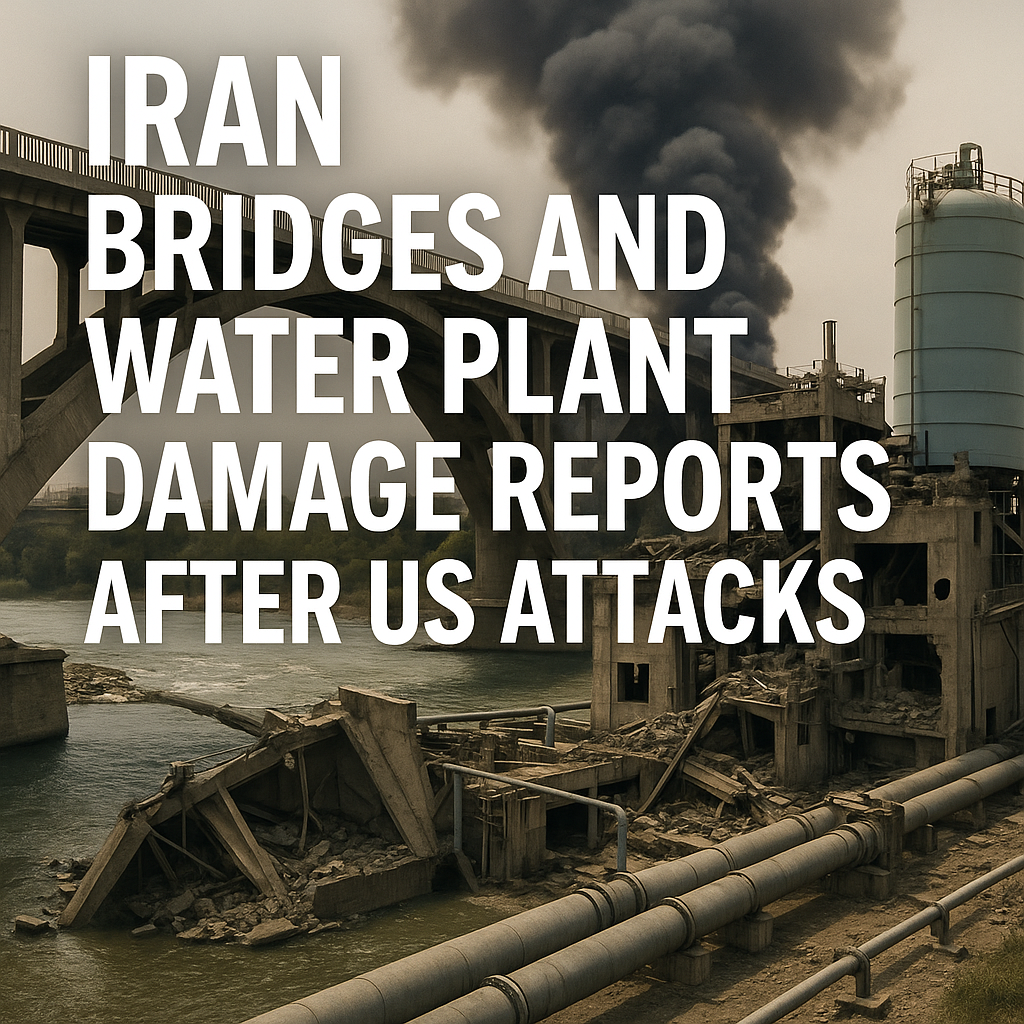
Iran Bridges and Water Plant Damage Reports After US Attacks
Iran Bridges and Water Plant Damage Reports After US Attacks

Reports from various news outlets indicate significant damage to infrastructure in Iran, particularly concerning bridges and water plants, following recent military actions attributed to the United States. As tensions between the two nations escalate, the implications of these strikes extend beyond mere physical destruction, hinting at deeper geopolitical realities and humanitarian concerns.

Damage Overview: The Infrastructure Hit
The visible destruction of bridges and water facilities in Iran has raised alarm bells about the humanitarian implications of such military actions. According to Al Jazeera, aerial footage showcased extensive damage to key infrastructure, with bridges reduced to rubble and water plants incapacitated. This situation is dire, especially considering that access to clean water is crucial for the civilian population.

Authorities in Iran have characterized the attacks as aggressive and unwarranted, calling for international condemnation of the U.S. actions. The Iranian government has vowed to respond adequately to ensure the safety and integrity of its citizens. This sentiment is echoed in several critical assessments found in the news, suggesting that such military interventions not only destabilize regions but also exacerbate existing humanitarian crises.
Despite these dire assessments from Iranian officials, different perspectives highlight the complexities of the situation. Some sources, like RT, imply that military actions may have tactical goals, arguing that the strikes were aimed at dismantling operational infrastructure utilized by groups perceived as threats to U.S. interests in the region. While proponents of military intervention argue it may be necessary for broader security measures, critics emphasize the humanitarian costs of such actions, questioning whether the immediate tactical gains outweigh prolonged civilian suffering.
Impact on Civilians and Humanitarian Concerns
The consequences of the U.S. strikes extend significantly into civilian life. With water facilities damaged, many residents are left without access to clean drinking water, further complicating the already strained living conditions in the region. This has led to widespread concern among humanitarian organizations, which emphasize that such attacks on essential public services violate international humanitarian law.
Experts argue that the damage to infrastructure sets off a ripple effect, leading to deeper social and economic disruptions. Dr. Marjan Ali, a political analyst focused on Middle Eastern geopolitics, notes, “The destruction of bridges and water systems creates long-term challenges for stability in the region. Not only does it affect immediate water access, but it also hampers transport and economic activity.”
In stark contrast, U.S. officials maintain that their military actions are necessary for maintaining regional stability. They assert that by targeting specific infrastructure, they are aiming to weaken adversarial capabilities. However, these claims have led to considerable backlash, especially among Iranian citizens who are now facing the repercussions of these decisions.
Navigating the Complex Geopolitical Landscape
The geopolitical ramifications of the damage to Iranian infrastructure are far-reaching. Analysts observe that such military actions risk the escalation of tensions not just between the U.S. and Iran but similarly among other regional players. The potential for retaliation—whether it’s directly from Iran or through proxy groups—raises questions about the stability of the entire Middle Eastern landscape.
Moreover, the broader international community watches closely as opinions diverge on U.S. involvement in Iranian affairs. Some nations support U.S. positions, citing national security interests, while others criticize the strikes, advocating for diplomatic dialogue instead. This split exemplifies the divided opinion on how best to navigate complex international relations in conflict-ridden areas.
While international law advocates for protecting civilian infrastructure, recent events highlight a troubling trend where military actions seem to supersede these protections. The ongoing assessments of damage illustrate how fragile legal and ethical lines can become in practice, often leaving civilians to bear the brunt of political decisions.
Conclusion: A Call for Balanced Perspectives
The damage to bridges and water plants in Iran following U.S. attacks presents a multifaceted challenge that encompasses military strategy, humanitarian law, and the plight of civilians. While tactical motivations for such strikes exist, they must be continuously weighed against the immediate and long-lasting impacts on civilian life and infrastructure. As tensions remain high, it is imperative for global leaders and policymakers to consider not just the military implications of their actions but also the humanitarian consequences that follow.
In understanding the complexities of the situation, a balanced perspective is crucial. Moving forward, stakeholders must engage in meaningful dialogue, working towards solutions that prioritize the stability and well-being of affected civilian populations while addressing national security concerns.