
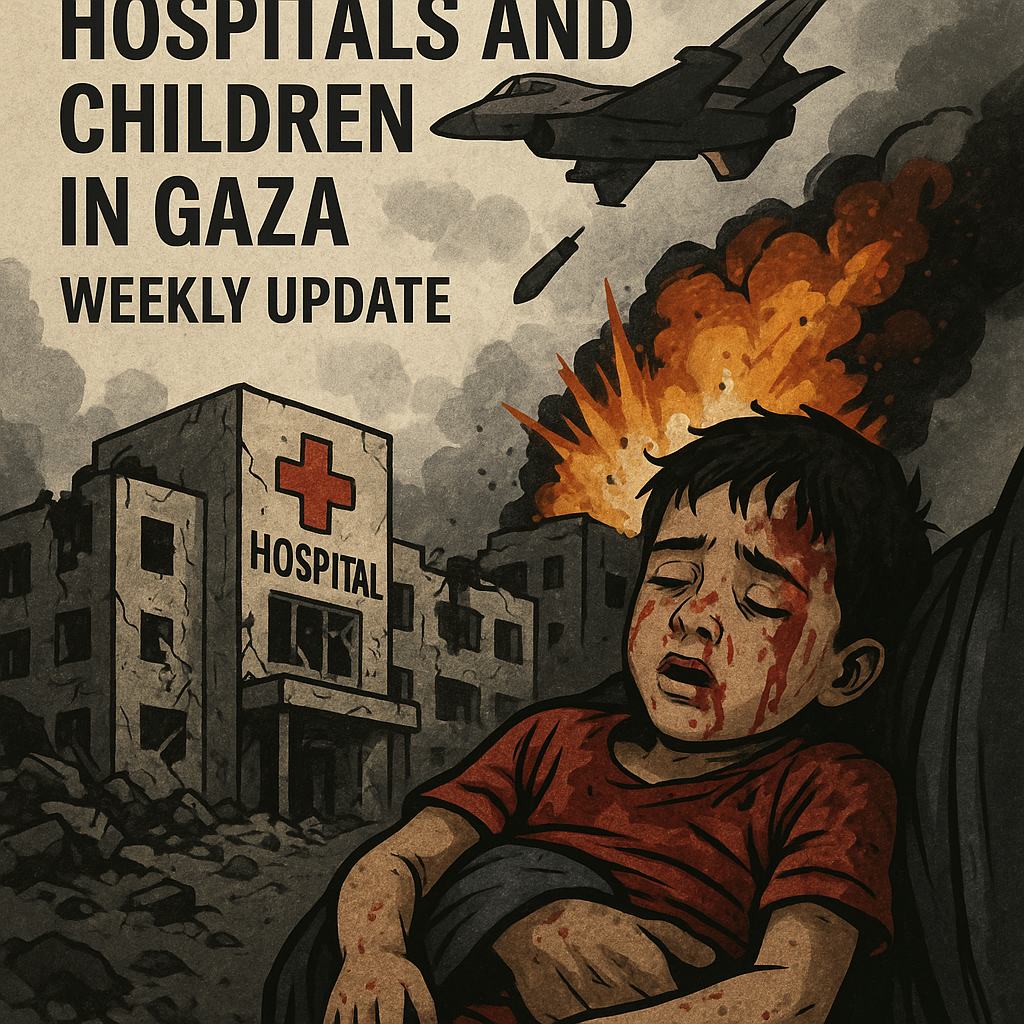
Israel Attacks Hospitals and Children in Gaza Weekly Update
Weekly Update on Israel Attacks: Hospitals and Children in Gaza
The ongoing conflict in Gaza continues to draw international condemnation and calls for an end to hostilities, particularly in regard to the alarming reports of Israeli attacks on hospitals and the vulnerable population of children. Each week witnesses further escalation, with reports indicating that these facilities and young lives have increasingly become targets amid military operations.

The Current Situation in Gaza
Recent coverage highlights a new wave of violence in Gaza, described as particularly devastating for civilian infrastructure. According to Al Jazeera, the Israeli military has undertaken significant operations in densely populated areas, resulting in numerous casualties among children and damage to hospitals. In one harrowing account from the region, a series of airstrikes over just a few days led to the reported deaths of multiple children, igniting outrage among human rights organizations and the international community. This cycle of violence raises critical ethical questions about the use of military force in areas where civilians are concentrated.

Conversely, media outlets like RT have expressed perspectives that emphasize Israel’s right to defend itself against rocket fire from Hamas, which controls Gaza. Israeli officials argue that their operations are aimed at minimizing threats from militant groups and assert their commitment to avoiding civilian casualties. This viewpoint underscores a significant divide in narratives surrounding the conflict, where security concerns are often cited by one side against humanitarian crises highlighted by the other.

Impact on Hospitals and Health Infrastructure
The continuous attacks on medical facilities have drawn ire from various health organizations and advocates for human rights. Hospitals in Gaza are not only overwhelmed by the influx of patients due to conflict-related injuries but are also critically impacted by damage to their infrastructure. As reported by Al Jazeera, the destruction of medical facilities exacerbates an already dire humanitarian situation, limiting access to essential health services. Such conditions are particularly concerning given the ongoing health crises stemming from other factors, including the COVID-19 pandemic.
Many hospitals already operate under significant resource constraints, making the conditions for healthcare practitioners and patients dire. The United Nations has characterized the situation as increasingly untenable, warning that the systematic targeting of healthcare facilities constitutes a violation of international law. With hospitals and emergency services struggling to cope with the influx of casualties, the humanitarian impact becomes compounded, leading to challenging scenarios for health workers and families alike.
Diverging Views on Military Justifications
The contrasting narratives regarding the justification of military actions reveal a deeper complexity surrounding the ongoing crisis. On one hand, reports from Al Jazeera highlight a growing international outcry demanding accountability for the attacks on hospitals and children, asserting that these actions reflect a disregard for human rights. Humanitarian organizations advocate for an immediate ceasefire, underlining that the disproportionate impact of military operations on civilians cannot be overlooked.
On the other hand, RT and other sources underline that Israel’s actions are a response to ongoing threats from Hamas, describing their military strategies as necessary for national security. They argue that the challenges of conducting operations within populated areas necessitate precision strikes against perceived military targets, while contending that efforts are made to limit civilian casualties.
A Call for Dialogue and Humanitarian Support
In light of these ongoing tensions, it becomes apparent that a multi-faceted approach is essential to move toward resolution. Advocacy for international dialogue and humanitarian intervention is critical. Organizations such as the Red Cross and the United Nations have reiterated the necessity of safe passage for aid workers and medical supplies into affected areas, urging all parties to respect international humanitarian law.
The divergent narratives underscore the urgency for members of the international community to engage effectively in peace negotiations. Any sustainable resolution must prioritize the safety of civilians, particularly vulnerable populations like children, and ensure access to humanitarian assistance. In times of conflict, finding common ground is imperative, as lives hang in the balance.
Conclusion
The situation in Gaza remains a potent reminder of the human cost of military conflict, particularly its toll on hospitals and children. As attacks continue and narratives conflict, the urgency for humanitarian advocacy and international diplomatic interventions becomes crystal clear. Moving forward, it is vital that the global community recognizes not only the complexities of the conflict but also the imperative to safeguard human dignity amidst warfare. The need for dialogue and accountability in such circumstances is essential if the cycle of violence is to be broken, paving the way for lasting peace.















