
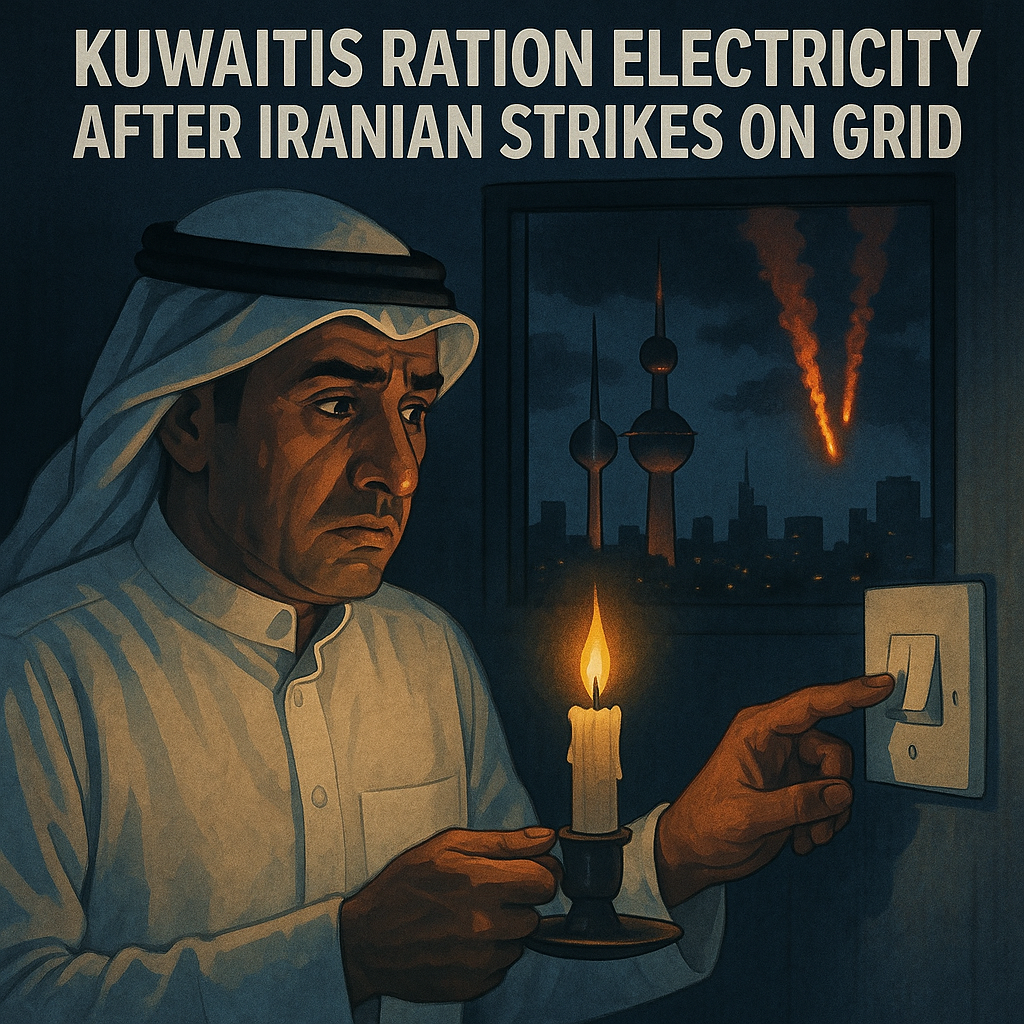
Kuwaitis Ration Electricity After Iranian Strikes on Grid
In recent days, Kuwait has found itself grappling with significant electricity rationing following strikes attributed to Iranian forces on its national power grid. This situation has sparked widespread public concern and an urgent governmental response, bringing to light the complexities surrounding regional security and the implications of military actions on civilian infrastructure.

The Immediate Impact of Strikes
Reports reveal that Iranian strikes on Kuwait’s electrical infrastructure have forced the government to implement rationing measures to conserve power. Citizens are experiencing rolling blackouts, with outages lasting several hours each day. This reaction signifies not just a tactical move to manage resources during a crisis but also highlights the vulnerability of nations in the region to external military actions.

Government officials have emphasized the necessity of such measures to ensure the most essential services remain operational. The strikes reportedly affected key substations that distribute electricity throughout the country, leading to disruptions not only in residential areas but also in critical facilities, including hospitals and emergency services.

Public Response and Government Action
Amidst the rolling blackouts, the response from Kuwaiti citizens has been mixed. Many express frustration and anxiety, as the situation directly affects their daily lives. There is a palpable sense of uncertainty regarding the stability of their country’s infrastructure in the face of such external threats. Local businesses, too, are feeling the effects, with disruptions in service leading to financial strain, particularly for those reliant on electricity for their operations.
In addressing the crisis, the government has urged residents to conserve electricity, promoting measures such as limiting air conditioning use and minimizing non-essential power consumption during peak hours. Kuwaiti authorities have also sought to engage in discussions with Iranian officials to secure a de-escalation of hostilities, a move that reflects an acute awareness of the delicate balance of power in the region.
Regional Implications and Broader Concerns
The ramifications of these strikes extend beyond Kuwait. Analysts suggest that Iran’s actions could be perceived as a test of limits, indicating its readiness to respond militarily to what it views as escalating threats from neighboring countries or external powers. This situation raises critical questions about security policy across the Middle East.
Countries such as Bahrain and Saudi Arabia are closely monitoring developments, as they have historically been on alert regarding Iranian maneuvers in the Gulf region. The potential for wider conflict due to such provocative actions cannot be understated, while the fragility of Kuwait’s electricity grid raises questions about regional infrastructure resilience in times of heightened tensions.
There remains a notable divide in perspectives regarding the appropriate response to Iran’s provocations. Some analysts advocate for a strong military stance to deter future attacks, while others caution against further escalation, suggesting that diplomatic approaches may yield better long-term stability.
Conclusion: Navigating Uncertainty
As Kuwait navigates the aftermath of these Iranian strikes, the challenges it faces are emblematic of broader geopolitical dynamics in the region. The move to ration electricity highlights not only immediate concerns about resource management but also poses larger questions about national security and regional cooperation.
The ongoing situation serves as a reminder of the delicate balance of power in the Middle East, underscored by the intertwined fates of its nations. As Kuwait seeks to recover and bolster its infrastructure against future threats, it must also strive for stability through diplomatic channels, exacerbating the challenge of maintaining peace amid a complex backdrop of historical tensions.
For now, the long-term repercussions for Kuwait and its neighbors remain uncertain, emphasizing the need for a nuanced approach to regional diplomacy and military readiness.















