
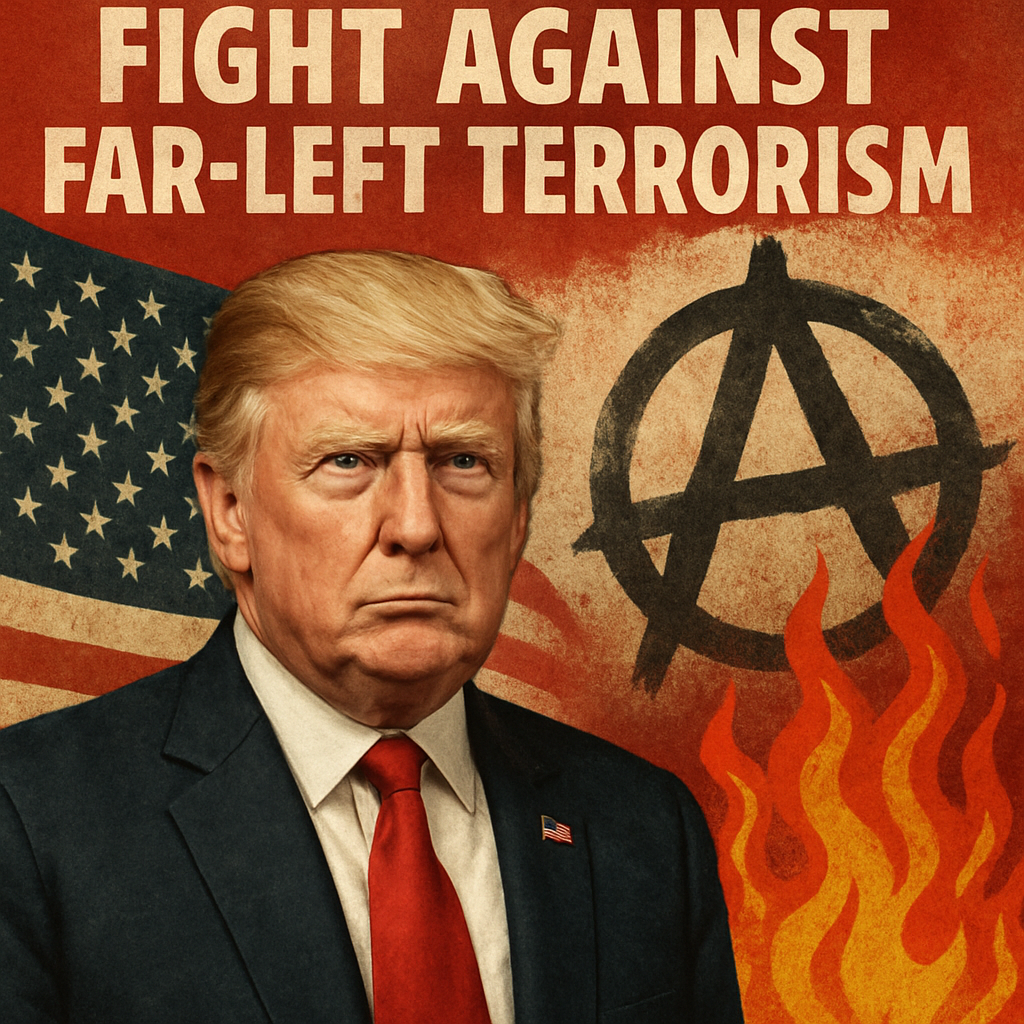
Trump’s Global Fight Against Far-Left Terrorism
Trump’s Global Fight Against Far-Left Terrorism
In recent months, Donald Trump has taken a commanding stance proclaiming a global fight against what he terms “far-left terrorism.” This declaration signifies not just a national political strategy but a worldview that resonates with a segment of conservatives and has drawn considerable criticism from a variety of quarters.

The Framing of Far-Left Terrorism
Trump’s rhetoric aims to delineate extremism associated with far-left movements, which he claims threaten the fabric of democracy. Utilizing terms like “terrorism” ties these ideologies to acts of violence and chaos, an association that can polarize public opinion. Reports indicate that Trump portrays these ideologies as not just political but existential threats to the nation, evidenced by statements made during rallies and in interviews.

Critics, however, argue that this framing oversimplifies complex socio-political issues and risks marginalizing legitimate protest movements. Al Jazeera emphasized that labeling these protests as terrorism can escalate tensions and undermine the rights to free speech and assembly. This dichotomy between Trump’s perspective and that of his critics highlights a significant divide in the national discourse surrounding protests and civil unrest that erupted in response to grievances about systemic racism and inequality.

Analyzing Global Implications
The implications of Trump’s stance extend beyond U.S. borders. His administration’s focus on global alliances against far-left ideologies has led to increased discussions with various right-leaning governments. One article from RT referenced potential collaborations aimed at countering perceived radical agendas across Europe and Latin America. Such alliances may enhance the framework for coordinated responses but raise questions about the legitimacy of labeling leftist policies and actions as terrorism.
Sky News reported concerns from international observers who warn that bolstering right-wing groups may inadvertently exacerbate the very tensions Trump claims to combat. From a global perspective, increased polarization can lead to conflicts where protests are met with significant governmental pushback framed as a fight against terrorism. The crossroads of these narratives pose a challenge for democratic societies aiming to balance order and civil liberties.
The Domestic Response
Domestically, responses to Trump’s declarations have been mixed. Supporters applaud the push against what they perceive as chaos and violence, framing their support in a narrative of law and order. However, opponents argue that this rhetoric only fuels domestic extremism and can act as a dog whistle for fringe groups. Data from various polls suggest that while a substantial portion of the population supports a law-and-order approach, there exists a growing segment that fears these measures infringe upon civil rights.
Prominent figures within the Democratic Party have characterized the fight against “far-left terrorism” as a guise for suppressing dissent. This view resonates with activists who insist that not all protests stem from extremist ideologies; many are rooted in genuine calls for equity and justice. This ongoing tension reflects a broader national struggle to reconcile differing views about activism, governance, and the meaning of democracy.
Balancing Perspectives
While Trump’s global fight against far-left terrorism has garnered support among his base, it also invites vigorous dissent from those who warn of its potential ramifications. Weighing the evidence, it becomes apparent that framing civil protests as terrorism can lead to an escalation of hostilities both at home and abroad.
In navigating these complexities, it is crucial to recognize that while discussions about extremism are necessary, the terminology used can either heal or further divide the political landscape. Acknowledging the merits of various perspectives may lead to more constructive dialogues and solutions to societal grievances, rather than escalating fears of an existential threat.
In conclusion, Trump’s engagements around the notion of far-left terrorism reflect wider societal issues that demand both understanding and scrutiny. The evolution of his stance and its reception will undoubtedly influence the political climate as well as the future of activism, governance, and civil rights in America and beyond.















