
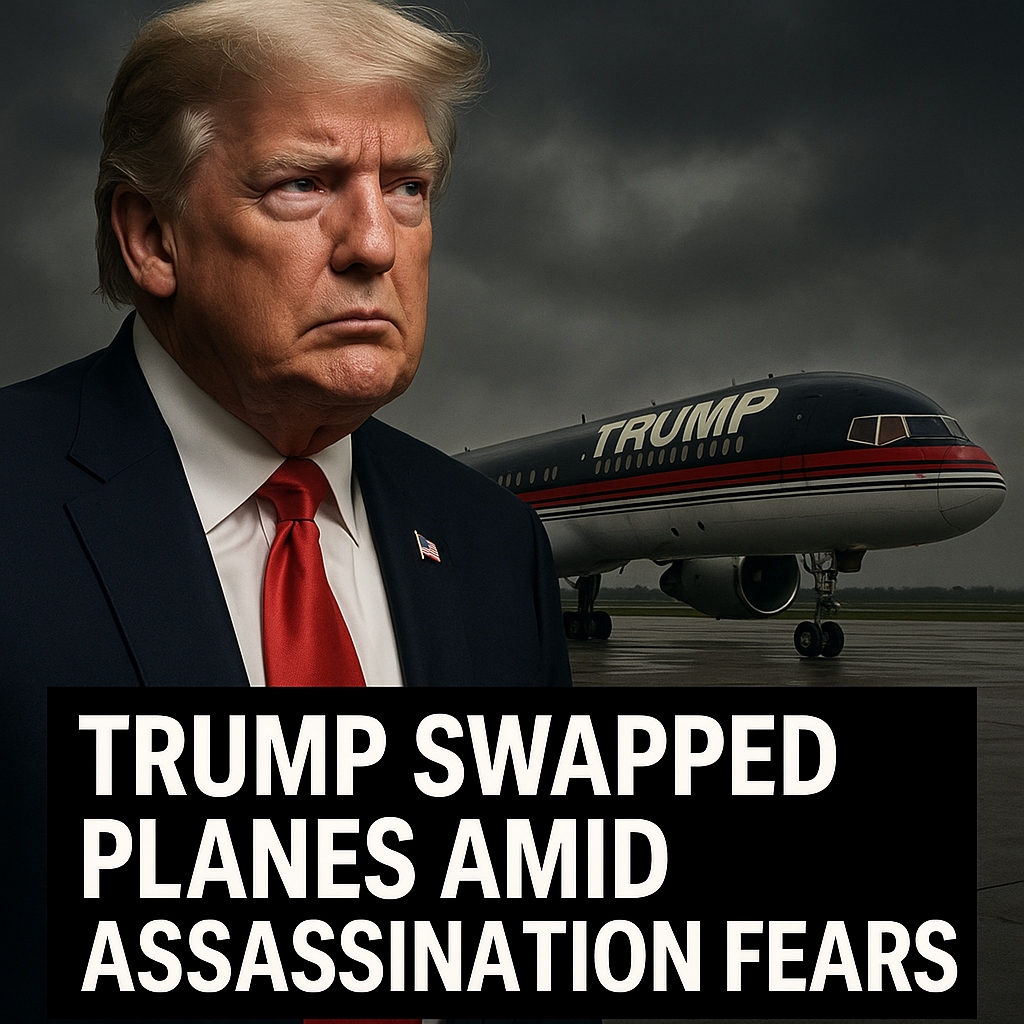
Trump Swapped Planes Amid Assassination Fears – NYT
Trump Swapped Planes Amid Assassination Fears
In a move indicative of heightened security concerns, former President Donald Trump recently changed his flight plans, reportedly due to threats against his life stemming from tensions surrounding Iran. This development has sparked significant media attention and discourse, drawing reactions from various stakeholders.

Heightened Security and Tensions with Iran
Reports indicate that Trump switched planes in response to specific assassination threats. According to RT, the decision was influenced by heightened unrest and a potential increase in hostilities involving Iran. The context stems from an already fraught backdrop of geopolitical tensions, where Trump’s past decisions regarding Iran, including the withdrawal from the Iran nuclear deal, have not been forgotten. Trump himself has publicly expressed that such threats are a function of his political stance, reflecting a complex interplay between his political identity and global diplomacy.

The situation sheds light not only on Trump’s personal security but also on broader implications concerning political dissent in the United States. Al Jazeera highlights that these threats may resonate beyond Trump, affecting other political figures who have similarly taken strong stances on foreign policy. The notion that political discourse might provoke violent repercussions raises questions about the limits of free speech and the societal implications of polarizing ideologies.

Public Reaction and Media Coverage
Following the altercation over threats, the media landscape has been polarized. Supporters often frame Trump’s heightened security needs as emblematic of a broader narrative of victimization within conservative circles. They argue that the political climate has become so charged that expressing dissenting opinions can lead to serious repercussions.
On the flip side, critics maintain that Trump’s behaviors and statements have emboldened extremist factions, thereby escalating the risks he faces. Measurements of public sentiment collected through various polls reveal divided opinions on whether Trump is justified in his fear of assassination or if this attention is simply self-serving and a part of a larger media strategy.
Many outlets have reported on the security measures taken in response to these fears, outlining a substantial escalation in protective details not usually afforded to private citizens, even those with a notable political past. This dichotomy of opinion speaks volumes about the current political climate: a nation grappling with its identity amid a coalition of anger, fear, and misinformation.
A Complex Landscape of Fear and Agency
The question arises: are these fears justified, or do they reflect a culture of misunderstanding and manipulation? For Trump, to voice concerns about assassination might be a strategic way to resonate with his base, portraying himself as a martyr of political dissent. Despite the serious implications of these threats, the narrative can also serve to galvanize support and frame his political rhetoric in a way that appeals to a sense of impending doom.
Further complicating this discourse is the role of the media. Some analyses suggest that the portrayal of Trump’s actions can exacerbate these feelings of fear, thereby creating a loop of crisis that ensures continual media attention. An array of opinions, from mainstream journalists to alternative media commentators, underscores the importance of critically engaging with such headlines.
While Trump’s security decisions may appear to stem from legitimate threats, it raises the nuanced matter of how public figures navigate heightened concerns about safety in a politically charged environment.
Conclusion
The situation surrounding Trump’s plane change spotlights the intersection of politics, personal safety, and media influence in today’s society. Amid the cacophony of voices in favor and against, one thread remains clear: the implications of political decisions stretch far beyond the immediate calculus at play. As Trump navigates this challenging landscape, the intersection of fear, agency, and public perception will likely continue to evolve, demanding careful scrutiny from all stakeholders engaged in the ongoing dialogue about security, freedom, and the responsibilities of those who hold power.















