Rescuing the Iran-US Agreement: Can It Be Saved?

Rescuing the Iran-US Agreement: Can It Be Saved?
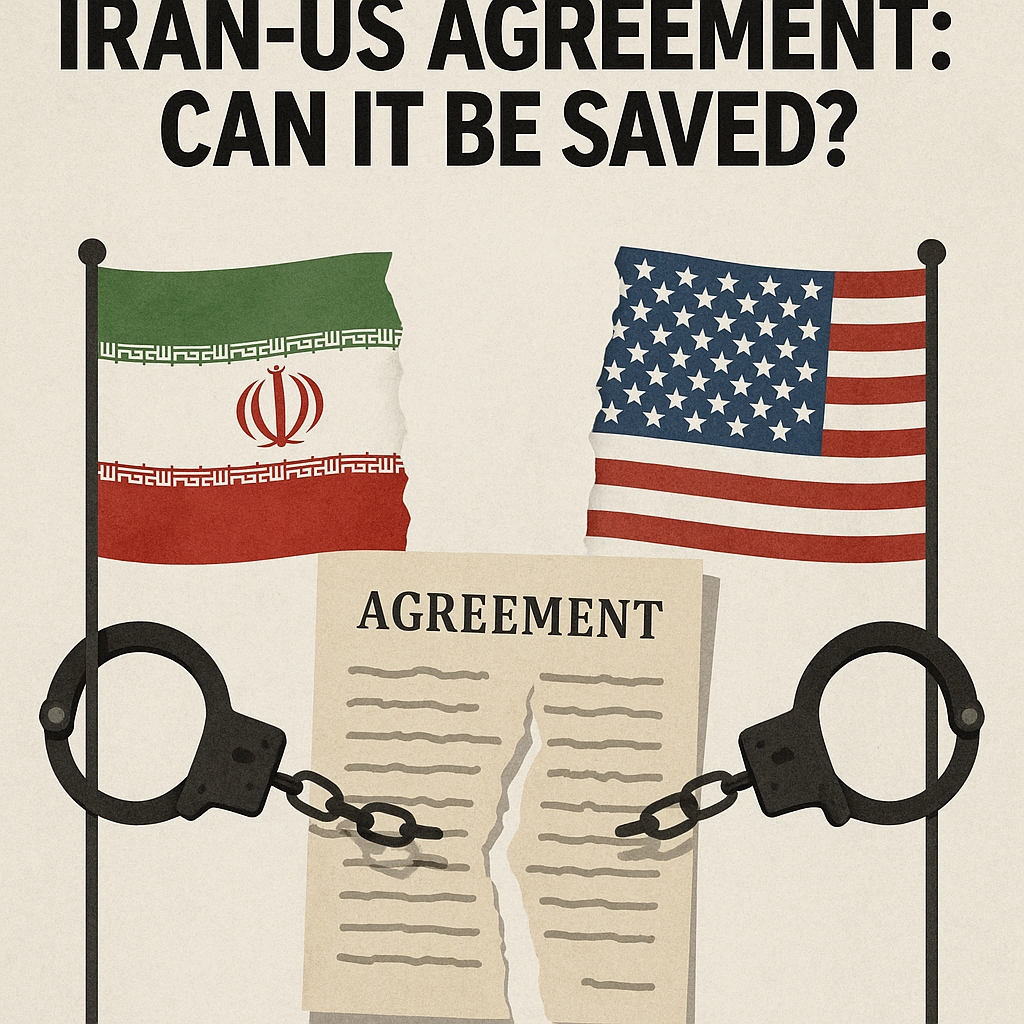
The intricate relationship between Iran and the United States has long been defined by turbulence, diplomacy, and a series of agreements and negotiations that have shaped regional and international relations. As efforts to resurrect the Iran nuclear deal gain momentum, questions arise: Can a viable agreement be salvaged, and what concessions might be necessary from both sides?

Historical Context of the Iran-US Agreement
The Joint Comprehensive Plan of Action (JCPOA), initiated in 2015, was hailed as a significant achievement in diplomatic relations, with key players including the United States, Iran, and several European nations. This agreement aimed to limit Iran’s nuclear program in exchange for the lifting of economic sanctions. However, the withdrawal of the U.S. from the deal in 2018 under the Trump administration sparked a cascade of events that have complicated the re-engagement process.


Since that withdrawal, Iran has moved away from the limitations imposed by the JCPOA, advancing its nuclear program and further complicating the negotiation landscape. Analysts argue that the increasing uranium enrichment raises questions about Iran’s intentions, making it pivotal for the U.S. to balance pressure with incentives to bring Iran back to the negotiating table.


Divergent Viewpoints on Reviving the Agreement
Recent discussions highlight a variety of opinions on the feasibility of reviving the Iran-US agreement. Some experts emphasize the necessity of diplomacy, arguing that open channels of communication remain the best route to ensure regional stability. A report from Al Jazeera notes that both sides appear to recognize the mutual benefits of an agreement, highlighting a growing acknowledgment in Washington of the need for a more strategic approach.
In contrast, critics argue that Iran has demonstrated a lack of commitment to its previous agreements. A commentary from RT emphasizes skepticism regarding Iran’s willingness to comply with new terms, particularly when trust has been eroded over time. Some voices within the U.S. government advocate for a tougher stance on Iran, suggesting that further sanctions could be necessary to compel Iran to negotiate more seriously.
Key Considerations Moving Forward
As the U.S. and Iran navigate this complex landscape, several crucial factors will influence the potential for reaching a new agreement:
– Trust Building: Restoring trust between both nations will require gestures of good faith. For the U.S., this might include easing some sanctions, while Iran could benefit from demonstrating transparency in its nuclear activities.
– Regional Dynamics: The influence of regional actors—particularly those such as Saudi Arabia and Israel—cannot be ignored. Their perspectives on a renewed agreement can complicate negotiations, as both countries have significant concerns regarding Iran’s nuclear ambitions.
– Domestic Pressures: Political pressures in both countries add another layer of complexity. The Biden administration faces challenges keeping domestic support for negotiations amid the partisan turbulence in Congress, while Iran’s leadership must consider public opinion and internal dissent as nuclear ambitions entwine with national identity.
The Path Ahead: Uncertainties and Possibilities
While negotiations remain ongoing, the prospects for salvaging the Iran-US agreement hinge upon the ability of both sides to manage expectations and navigate the treacherous terrain of diplomacy. The complexities of historical grievances, regional politics, and the evolving nature of Iran’s nuclear capabilities create a situation rife with uncertainty.
In conclusion, while there remains a conceptual framework through which this agreement could be revived, the road is fraught with challenges that require tact, patience, and a genuine commitment from both nations to seek a peaceful resolution. The future of the Iran-US agreement, therefore, remains an open question—one that may depend as much on external geopolitical factors as on the initiatives taken by Tehran and Washington.