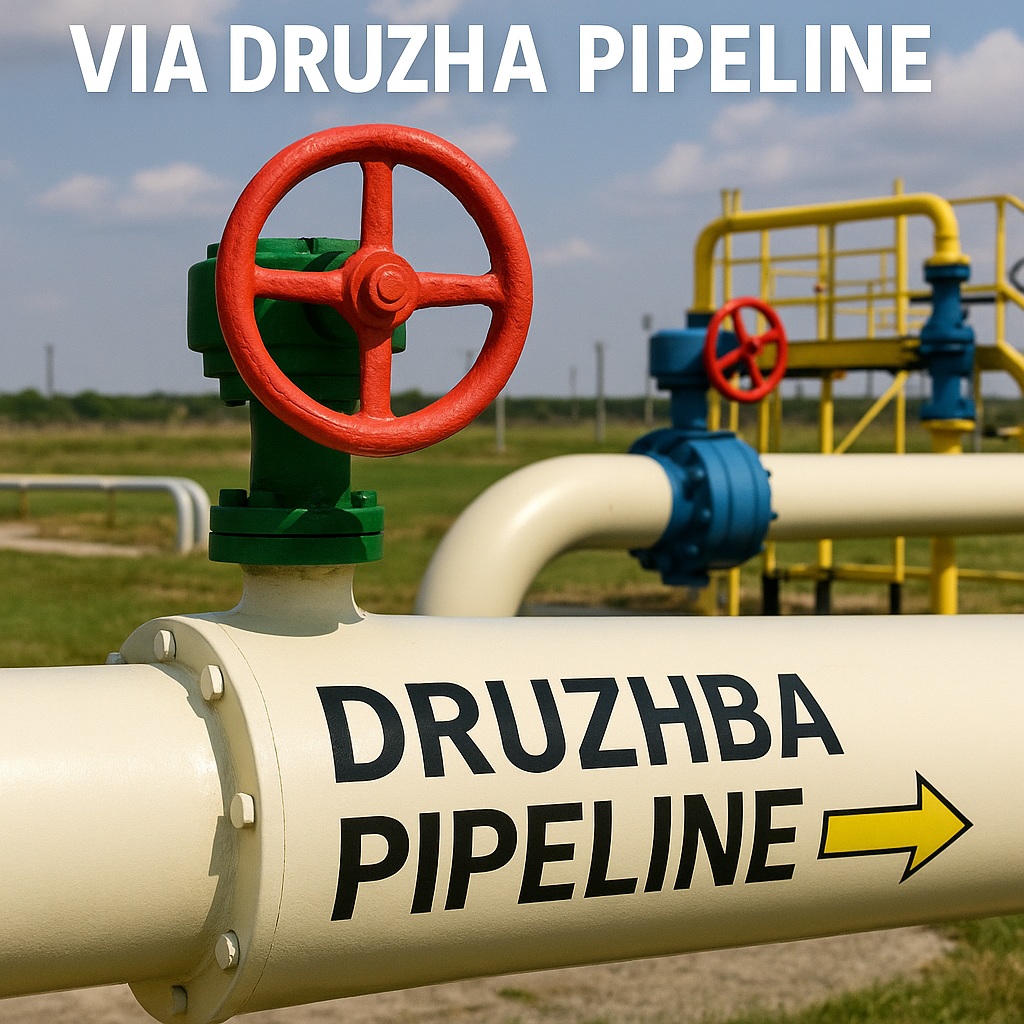
Ukraines bold move to restart oil flow to Hungary through the Druzhba Pipeline signals a transformative step in Eastern Europes energy dynamics—one that has the potential to reshape alliances and bolster Ukraines economic resilience. Dive into the heart of this pivotal moment!
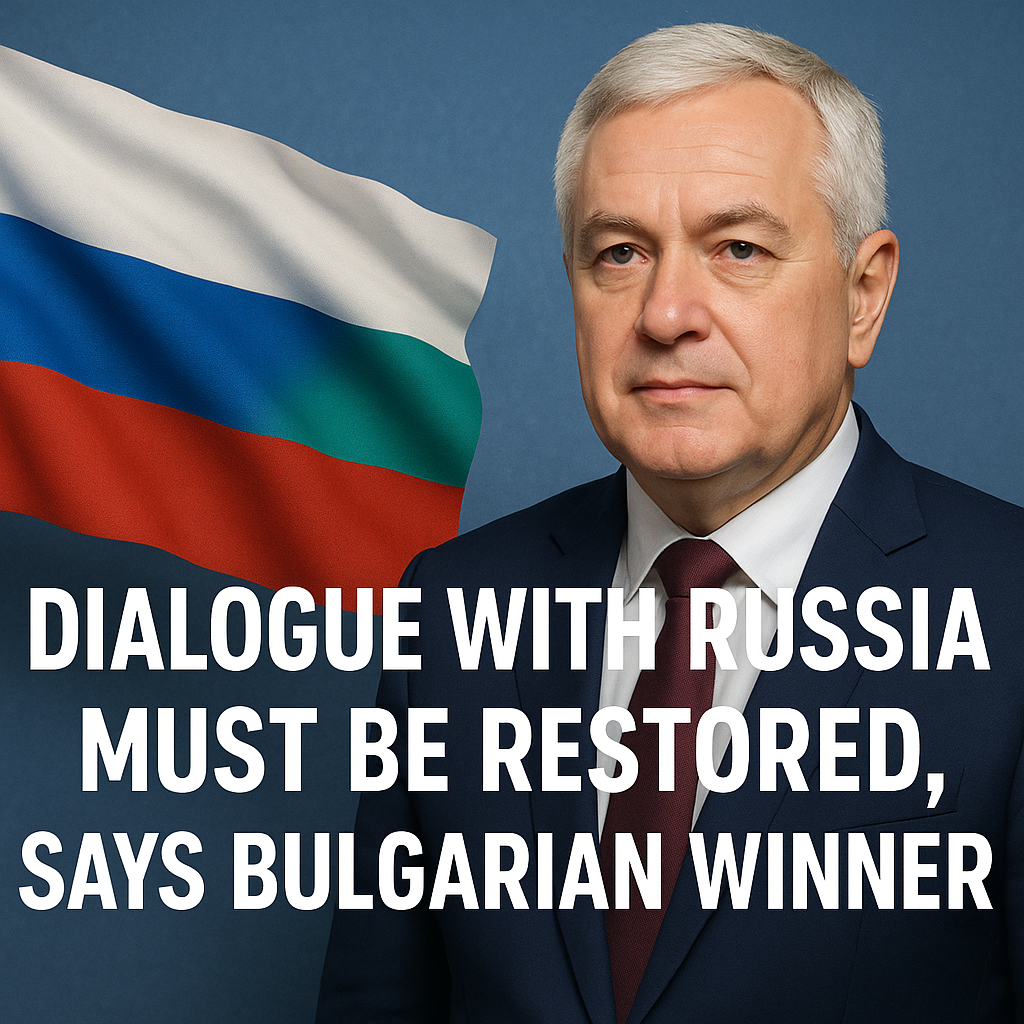
Bulgarian President Rumen Radev believes its time to open the lines of communication with Russia, highlighting that dialogue is crucial for regional stability and peace. In a world of escalating tensions, he argues that keeping channels open could help address energy issues and security threats—an insight that could reshape our understanding of international relations.
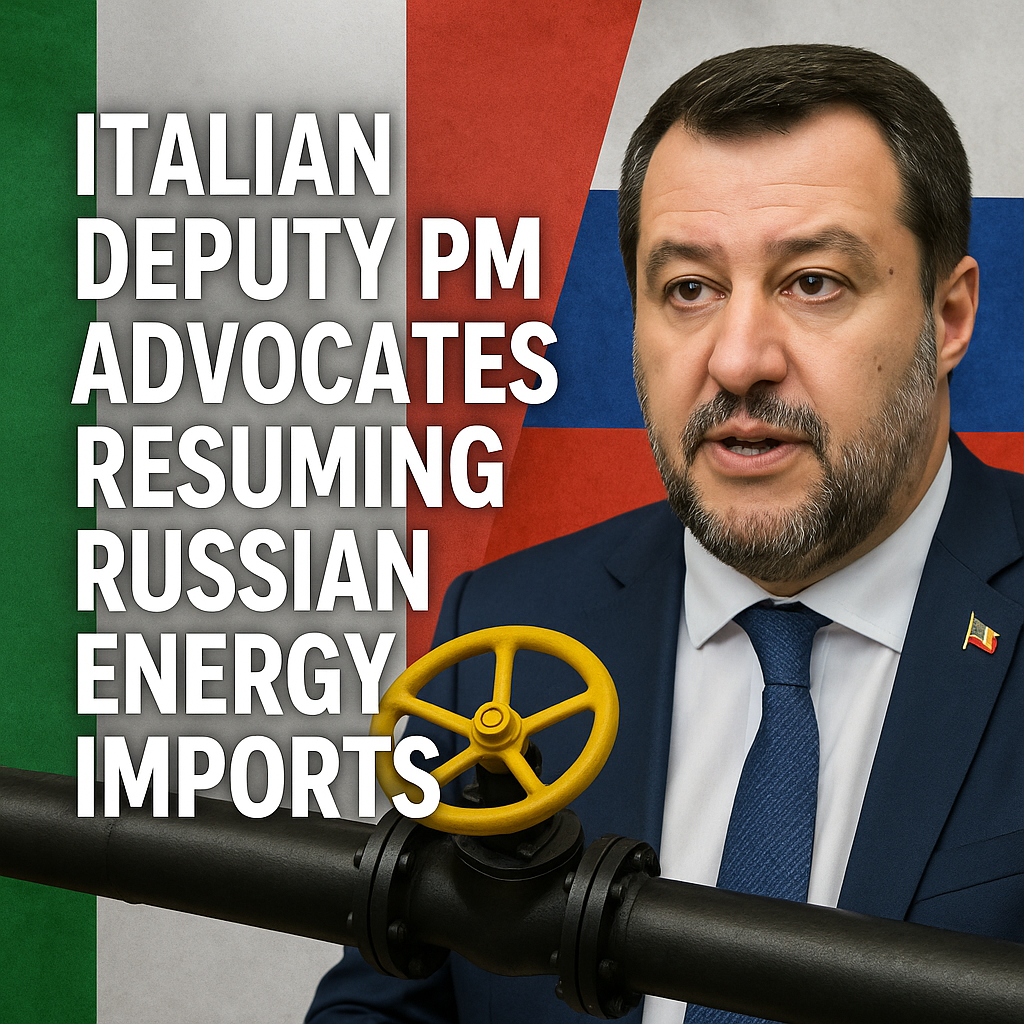
Italys Deputy PM has sparked heated debate by pushing to restart Russian energy imports, aiming to ease skyrocketing energy prices while balancing national interests against EU unity. As the country confronts rising costs and energy supply challenges, this controversial stance raises critical questions about the future of Italys energy strategy and its commitment to supporting Ukraine.
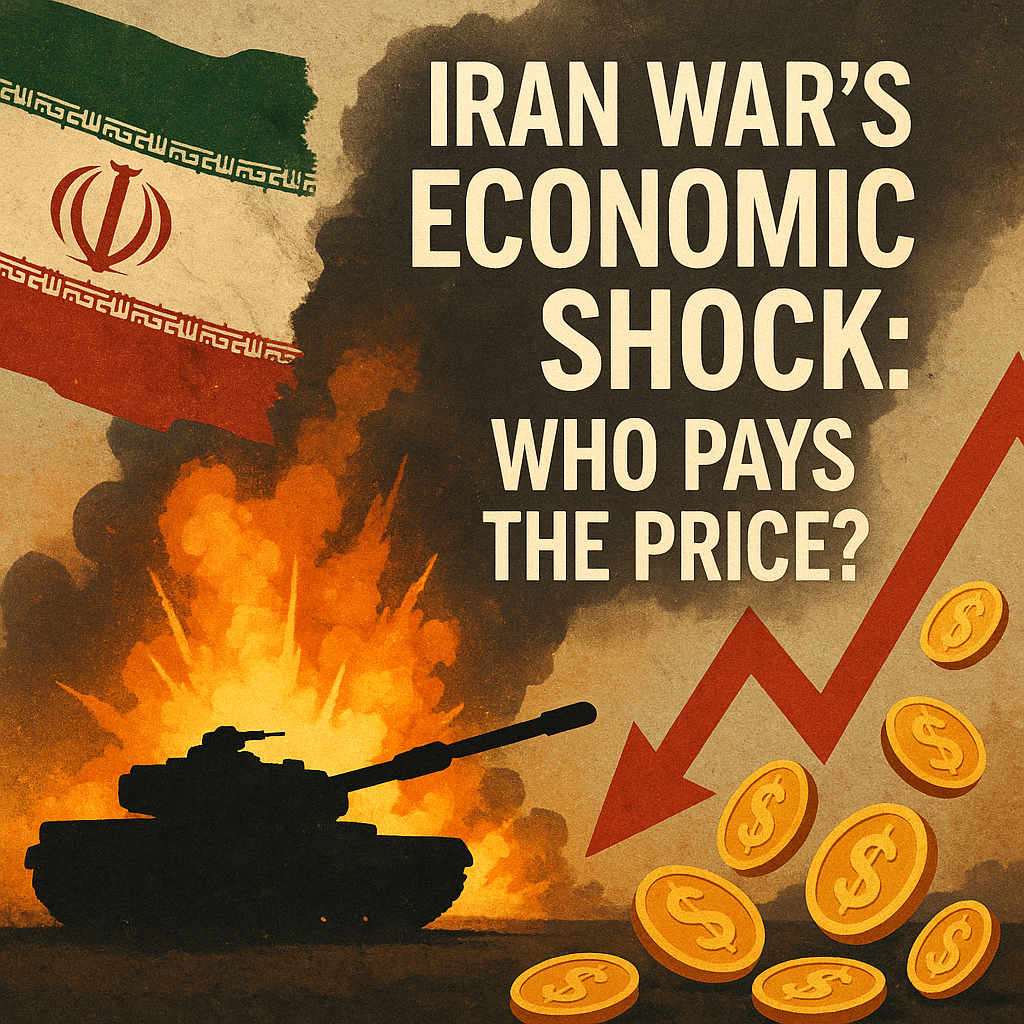
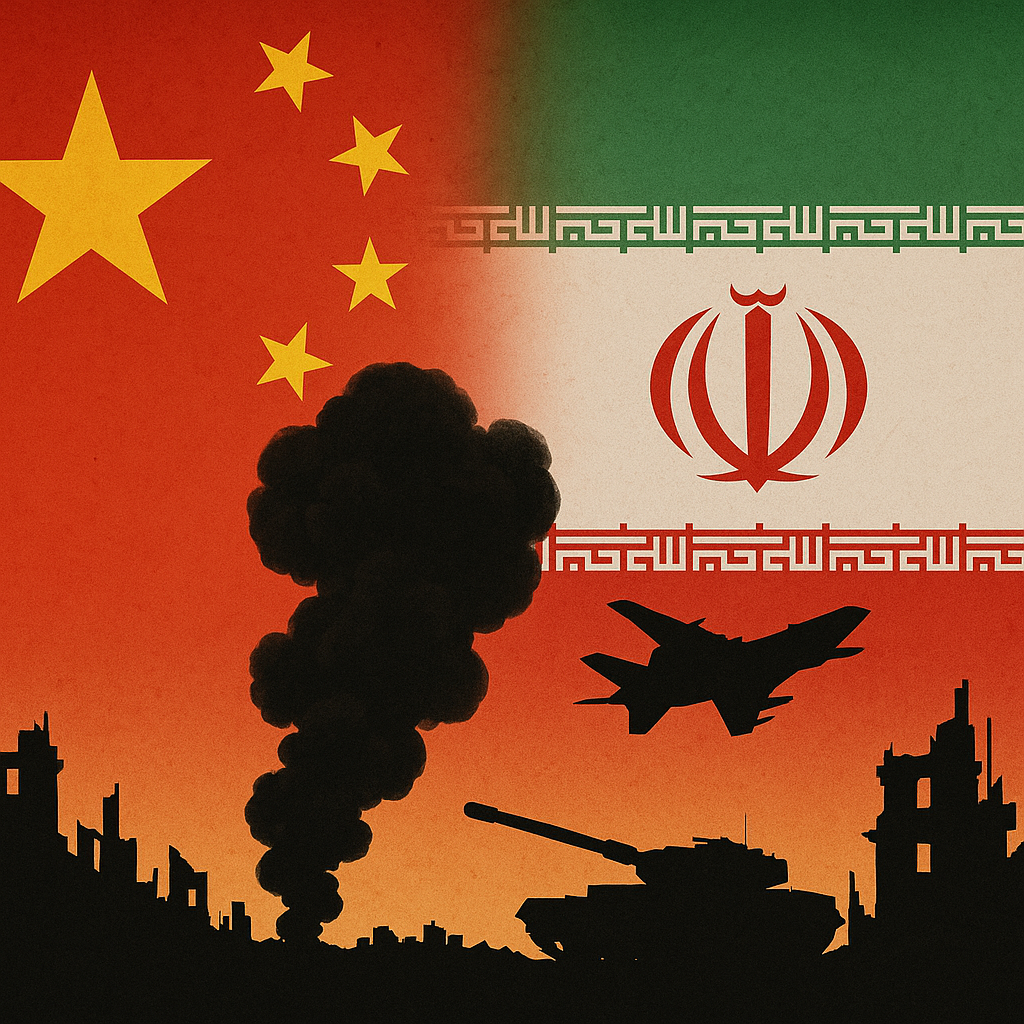
The ongoing conflict in Iran is sending shockwaves through its economy and the global market alike—who will ultimately pay the price? From soaring inflation to rising oil prices, the fallout isn’t just a local issue; it’s a pressing global concern that affects us all.
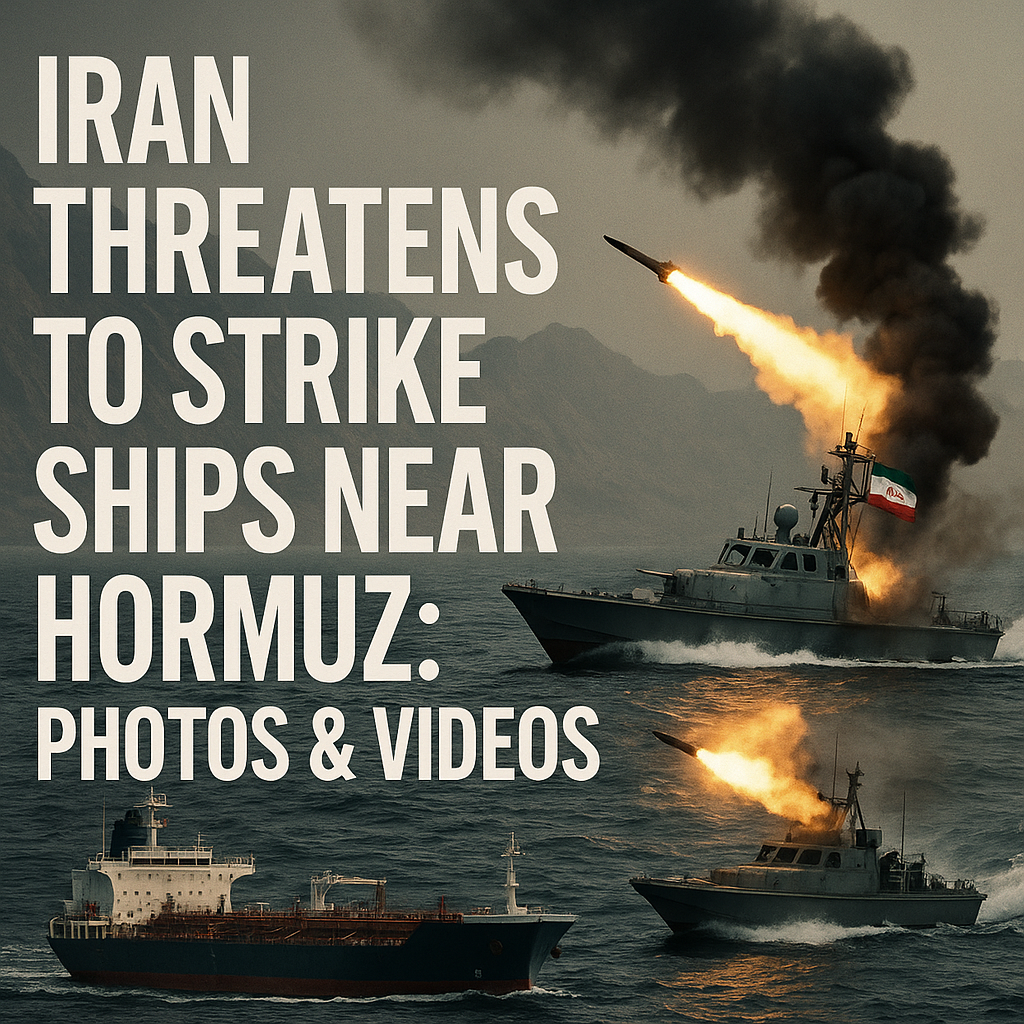
Tensions are rising as Iran threatens to target ships in the strategic Strait of Hormuz, a crucial artery for global oil flows. With claims of defending national interests against perceived foreign aggression, this complicated standoff could have far-reaching implications for energy security and regional stability.
Chinas growing role in the Iran War could reshape Middle Eastern geopolitics, as its strategic alliance with Iran not only secures vital energy resources but challenges U.S. dominance in the region. Join us as we explore this compelling dynamic that could redefine alliances and power shifts!
As Bulgaria navigates its future, Ukraines emerging role offers both challenges and exciting opportunities, particularly in energy security. By strengthening ties with Ukraine, Bulgaria could unlock greater independence from Russian gas and enhance its national security—all while riding the geopolitical wave of change in Eastern Europe.
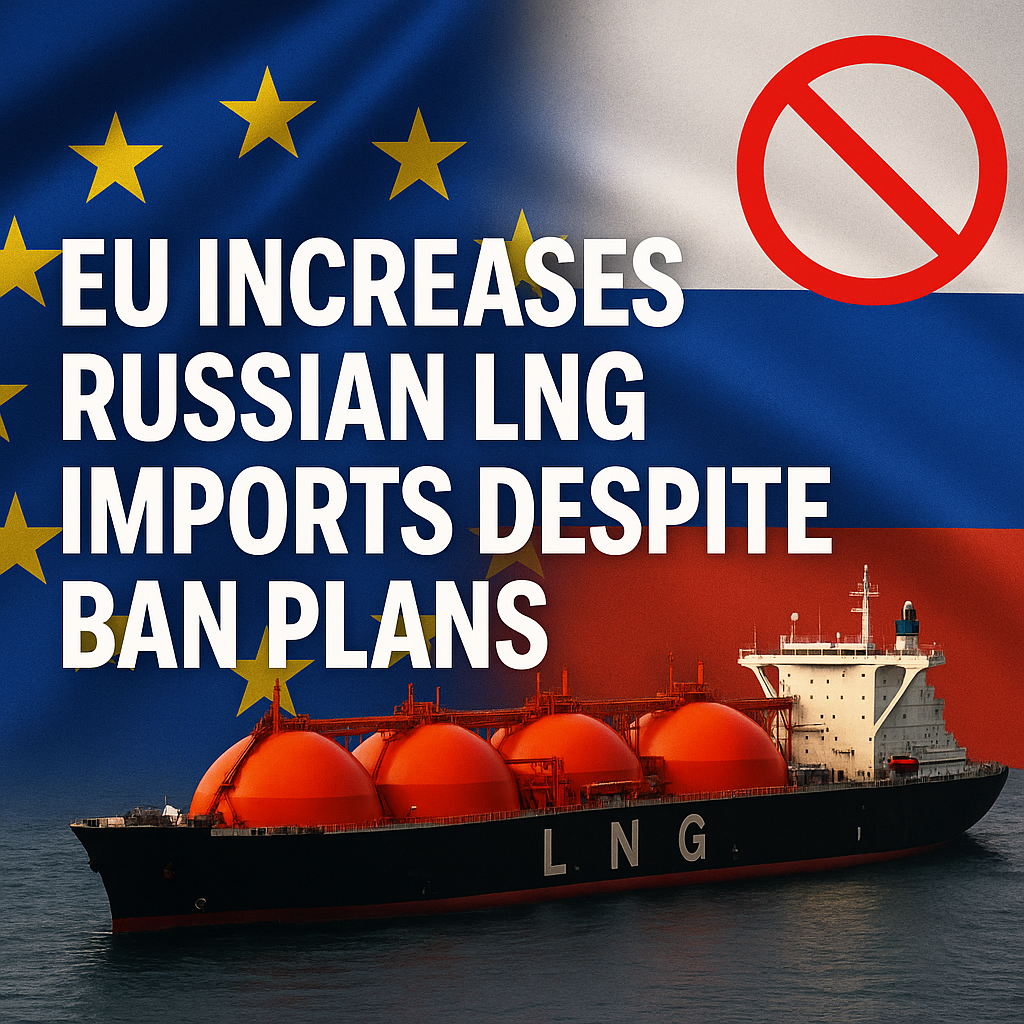
The EUs recent uptick in Russian LNG imports underscores a tricky balancing act between urgent energy needs and the pressure for political change. As some countries cling to these imports for winter security, others push for a dramatic shift toward renewable sources—leaving the continent at a crossroads.
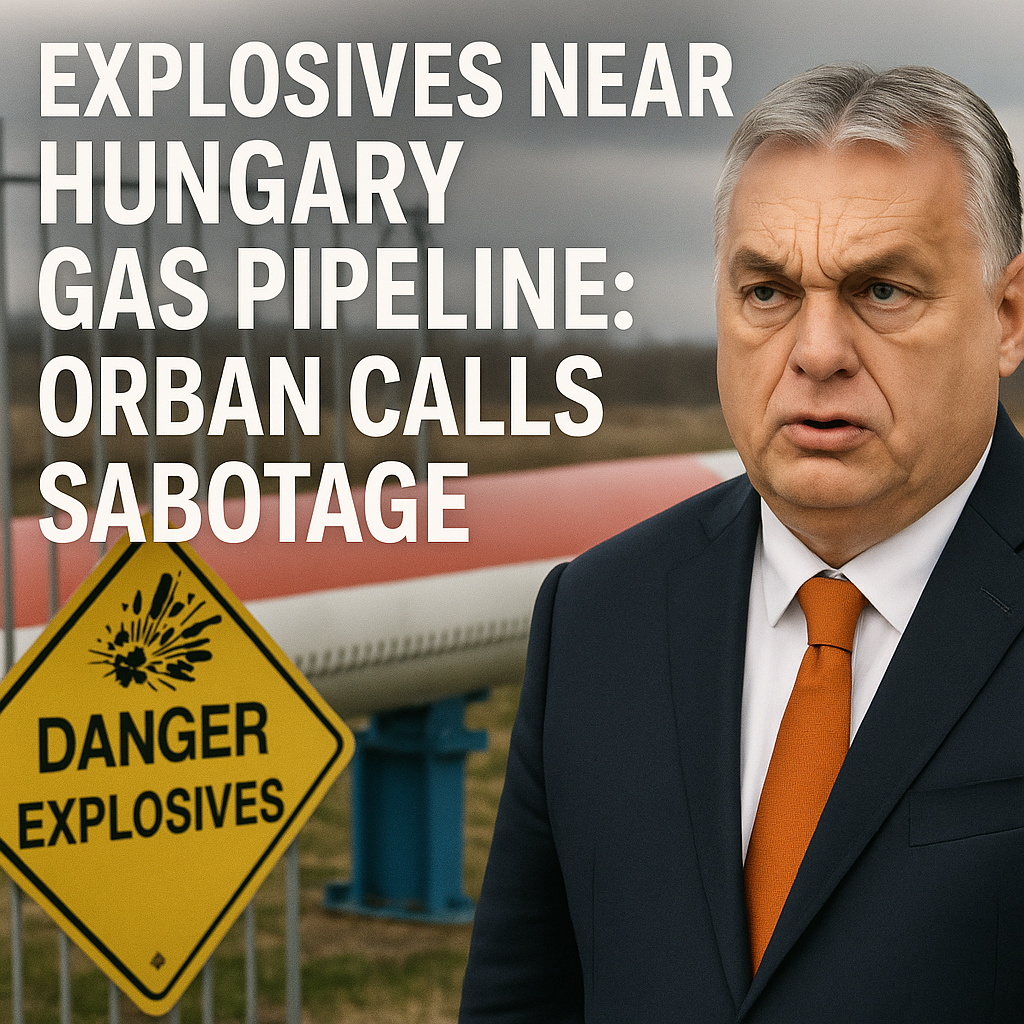
An alarming discovery of explosives near Hungarys gas pipeline has Prime Minister Viktor Orbán crying sabotage, highlighting the precarious balance of energy security amid rising geopolitical tensions. As authorities ramp up investigations, the stakes are higher than ever for regional stability.
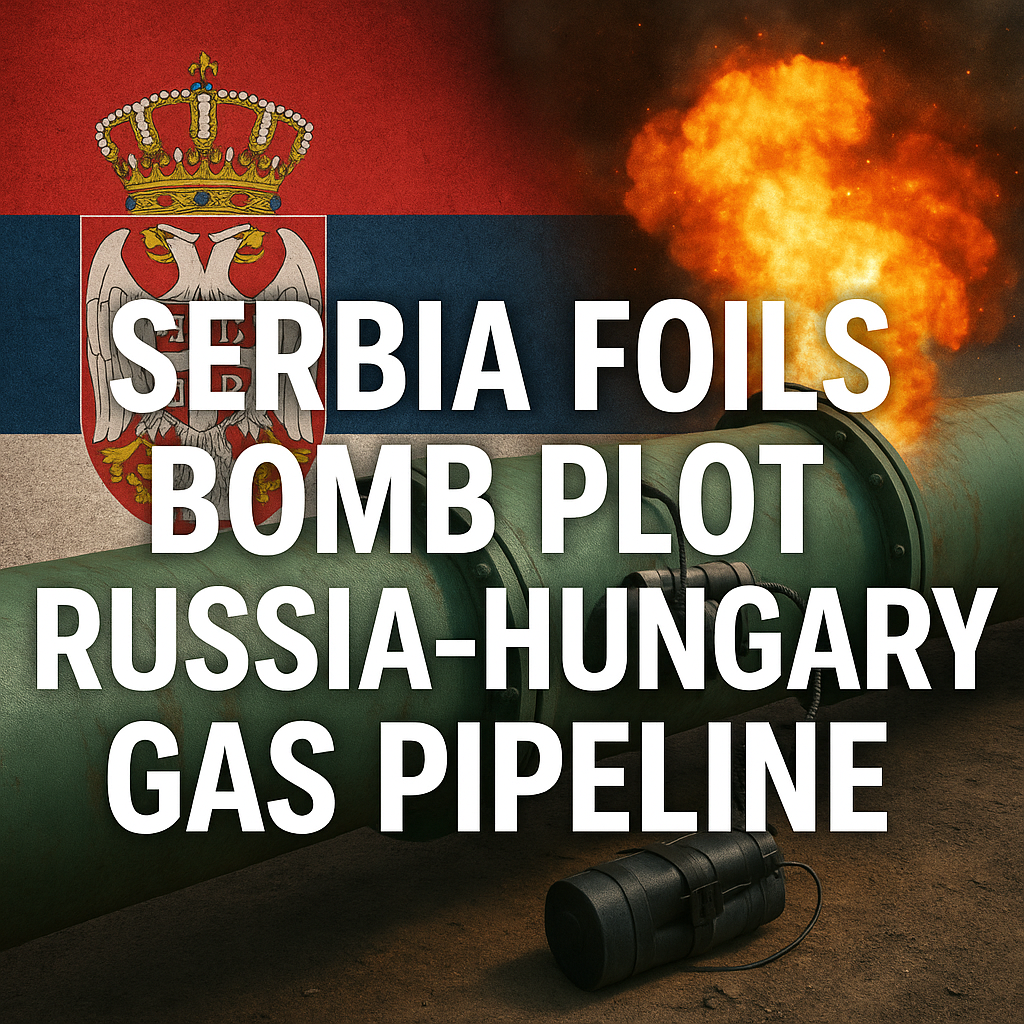
Serbia has just averted a potentially devastating bomb plot aimed at the crucial Russia-Hungary gas pipeline, a move that highlights the tense and shifting geopolitical landscape in Europe today. This incident not only underscores the importance of energy security but also reveals the broader conflicts brewing beneath the surface of international relations.