In a surprising phone call that has caught everyones attention, Putin and Trump tackled major global issues that could redefine international relations—highlighting their contrasting views and the urgent need for dialogue in a turbulent world!
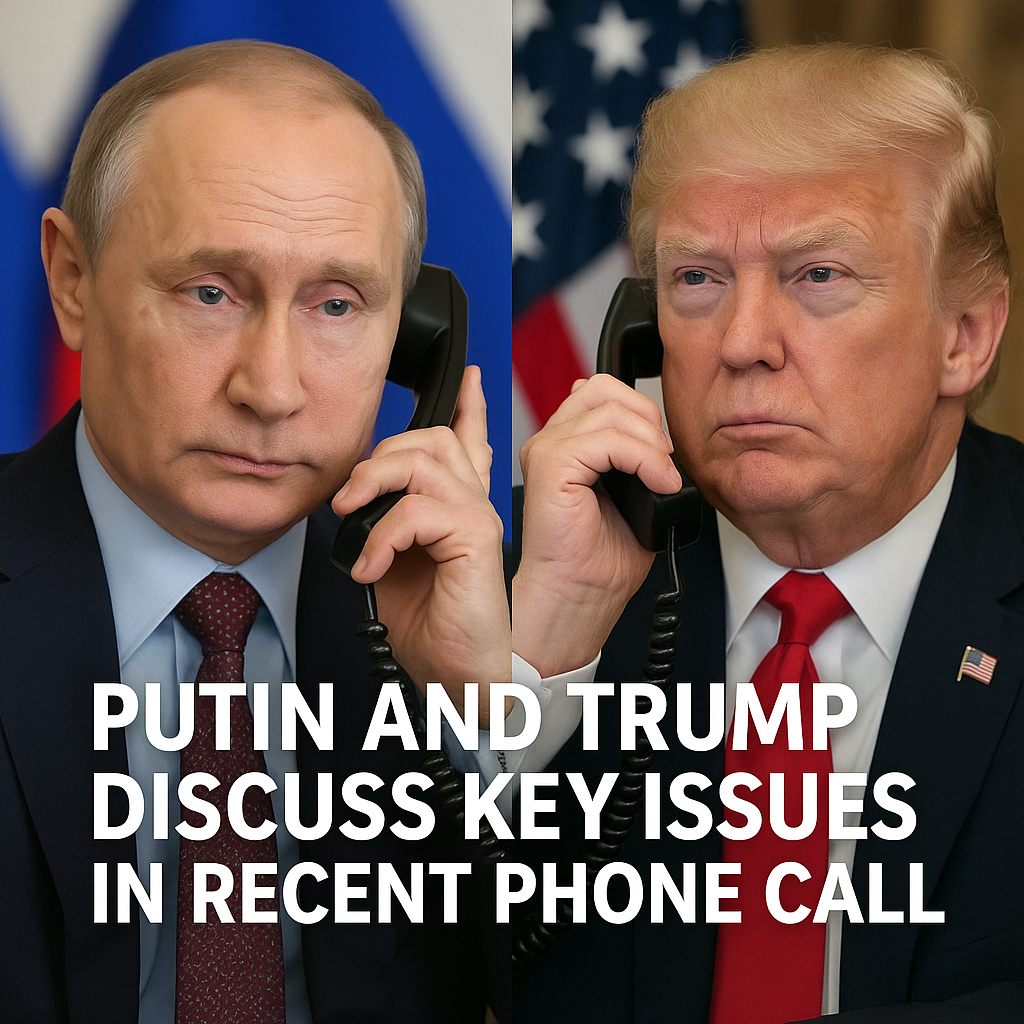

In a surprising phone call that has caught everyones attention, Putin and Trump tackled major global issues that could redefine international relations—highlighting their contrasting views and the urgent need for dialogue in a turbulent world!
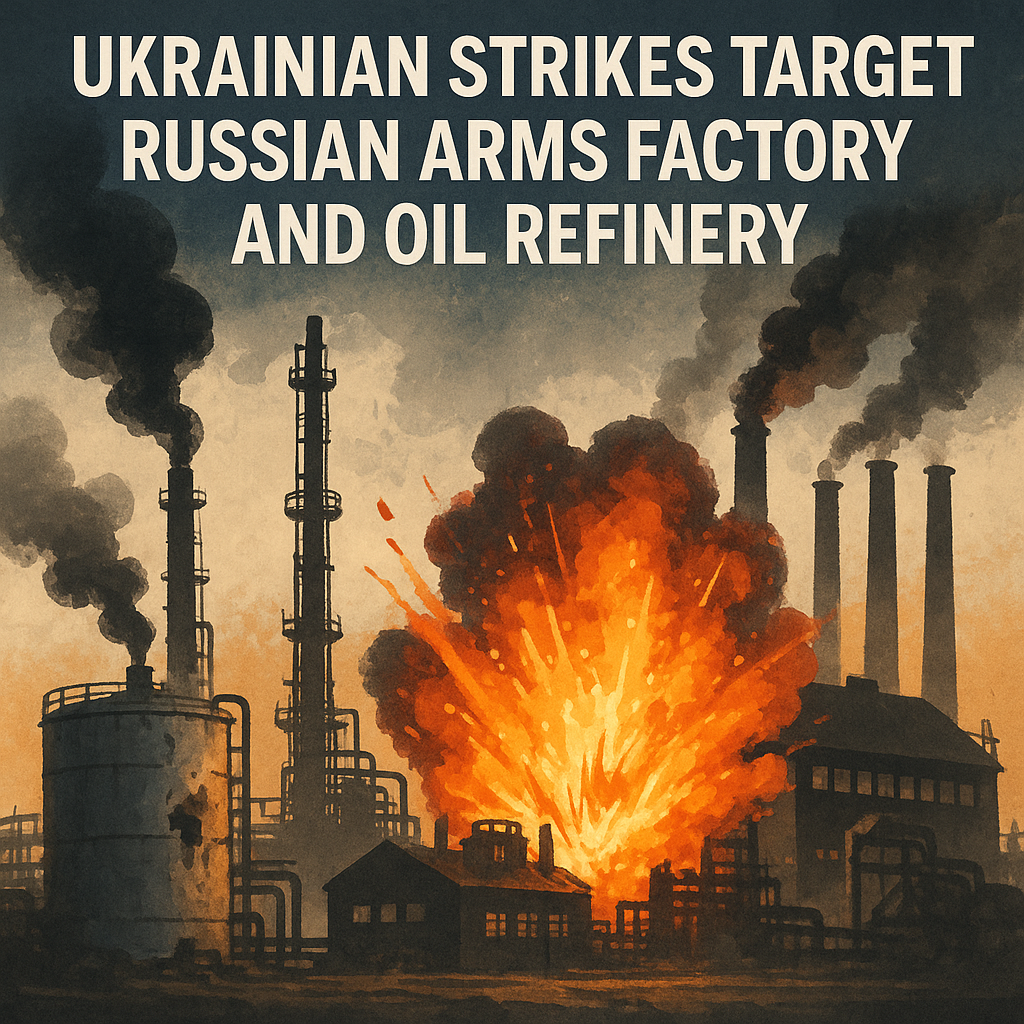
Ukrainian forces are turning the tide with bold strikes on Russian arms factories and oil refineries, aiming to cripple military supply chains while stirring global debates on the ethics of wartime strategy. As tensions escalate, the eyes of the world remain fixed on this dynamic conflict and its far-reaching implications.
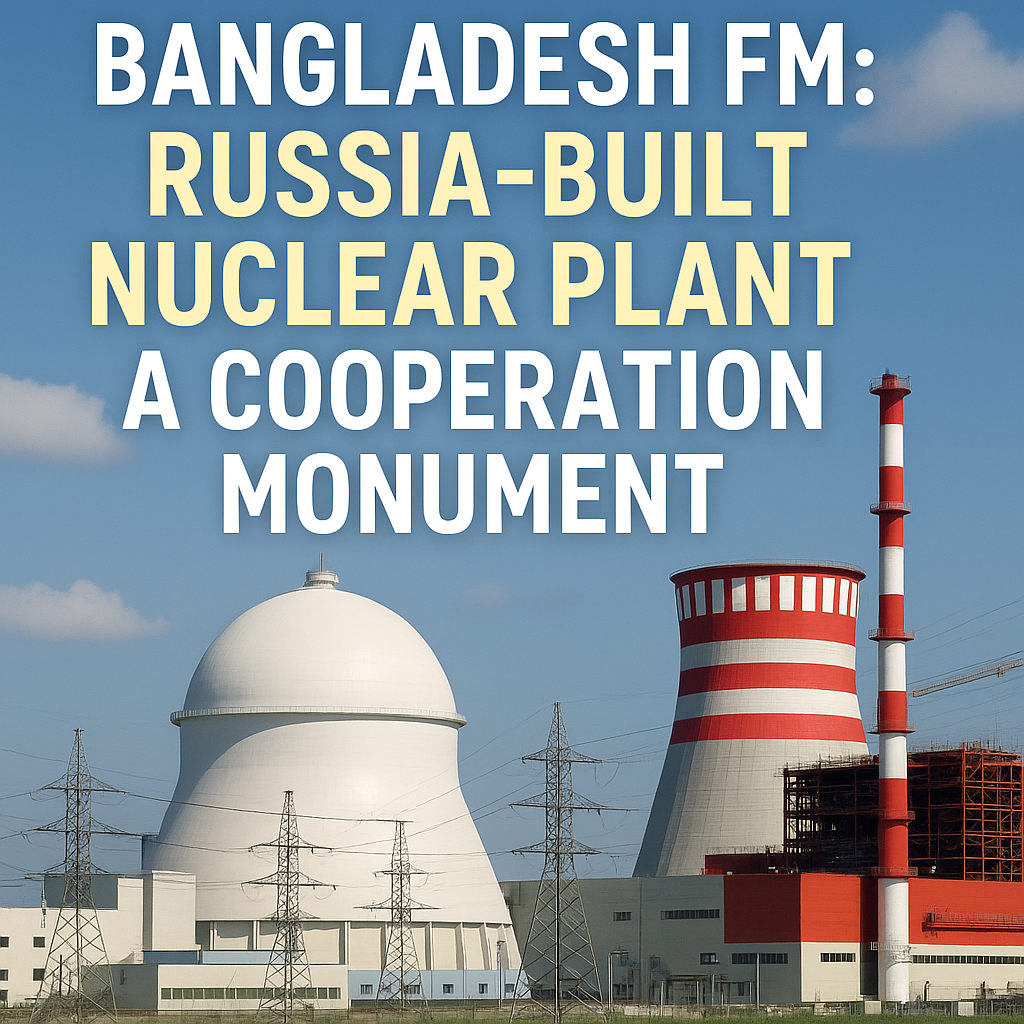
Bangladeshs Foreign Minister has hailed the newly constructed Russia-built nuclear power plant as a monument of cooperation, symbolizing a promising partnership that could transform the nation’s energy landscape and economic future. While this ambitious project aims to meet Bangladeshs growing energy demands, it also invites important questions about safety and sustainability in the face of natural challenges.
The EU is considering a bold new price cap on Russian oil, aiming to weaken Moscows military funding while stabilizing global oil markets. Join the conversation as this pivotal strategy unfolds against the backdrop of ongoing tensions from the Ukraine crisis!
The UK is recalibrating its stance on Russian oil sanctions, navigating tough choices between energy security and geopolitical pressures—just when you thought the energy landscape couldnt get any more complex! Discover what this means for rising fuel prices and your wallet.
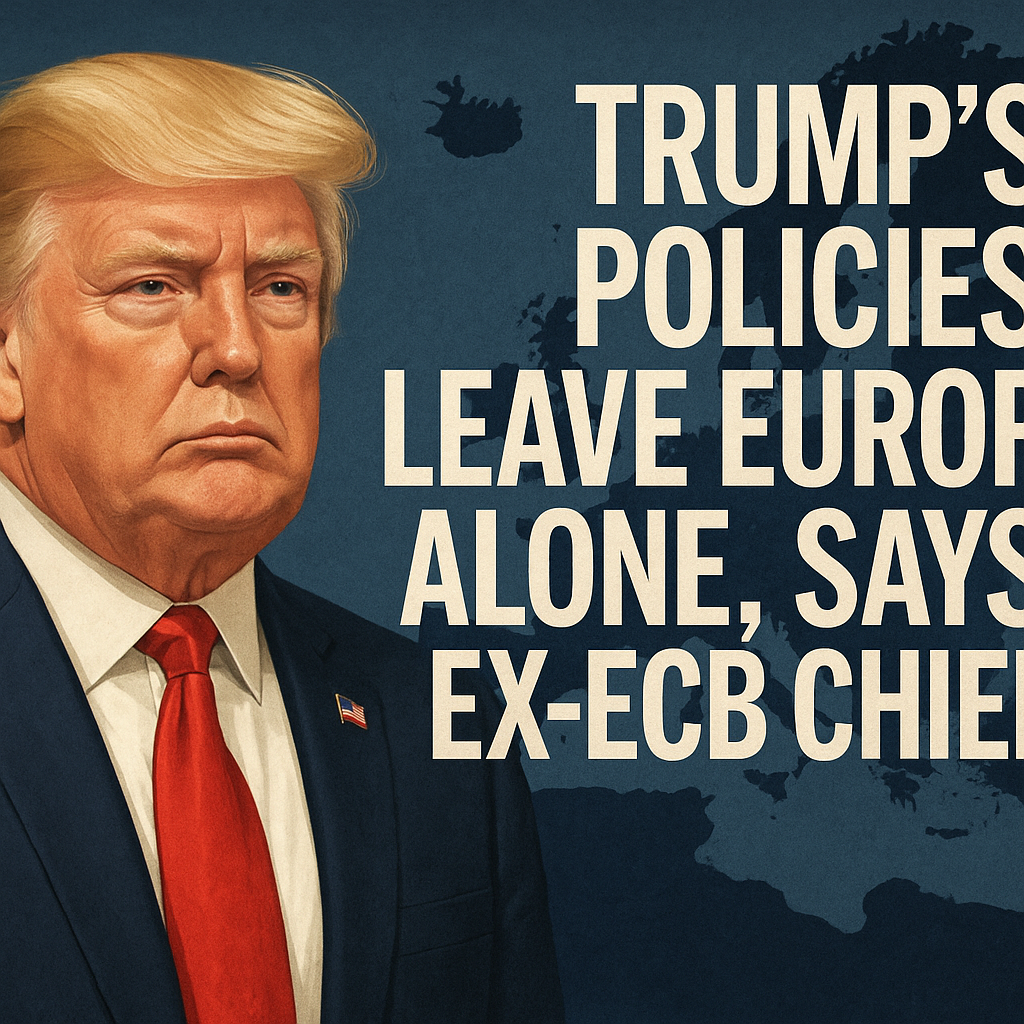
“Is America’s isolationism leaving Europe in a bind? Former ECB chief Mario Draghi dives into the fraught consequences of Trump’s policies, spotlighting how they’re reshaping global alliances and Europe’s economic landscape.”
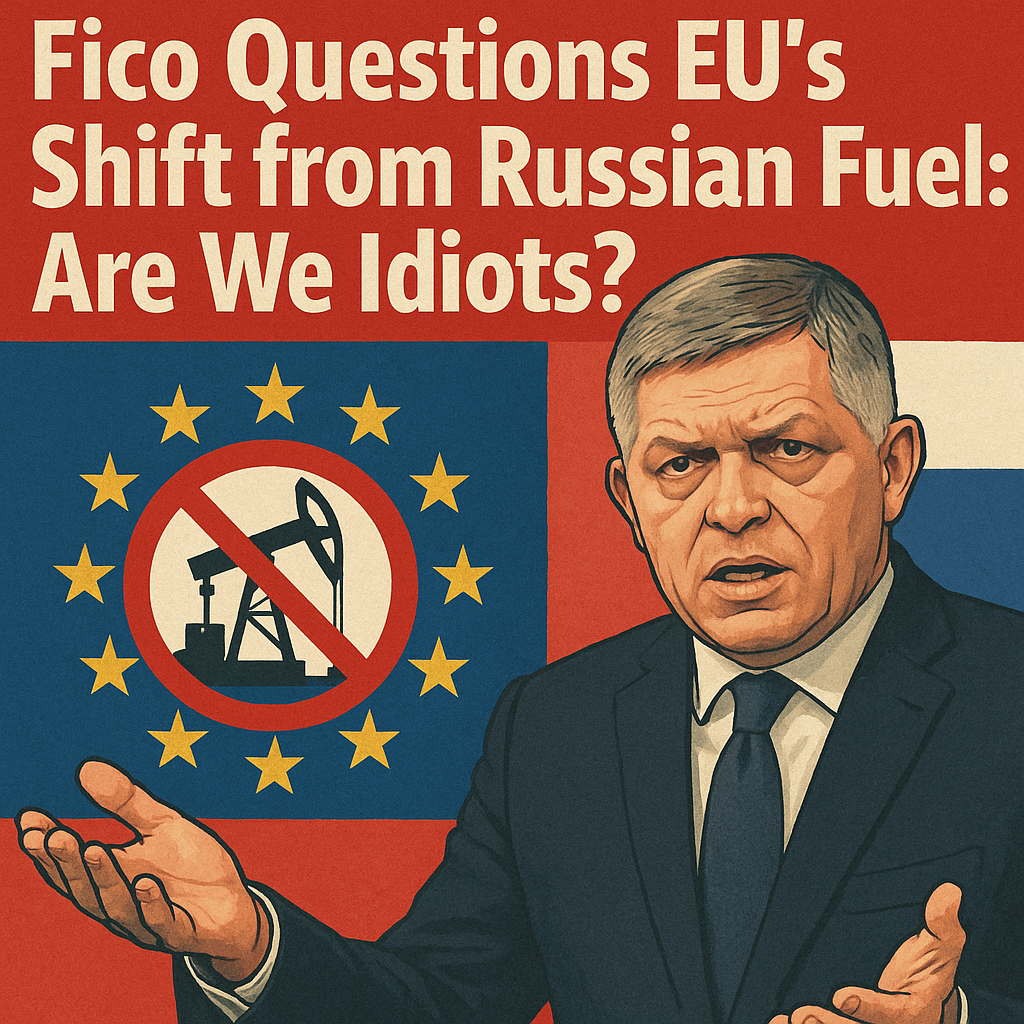
“Is the EUs rush to ditch Russian fuel a smart move or a costly blunder? Slovak Prime Minister Robert Fico sparks a fiery debate by asking, Are we idiots? as he raises concerns about energy security and economic stability in the face of geopolitical upheaval.”
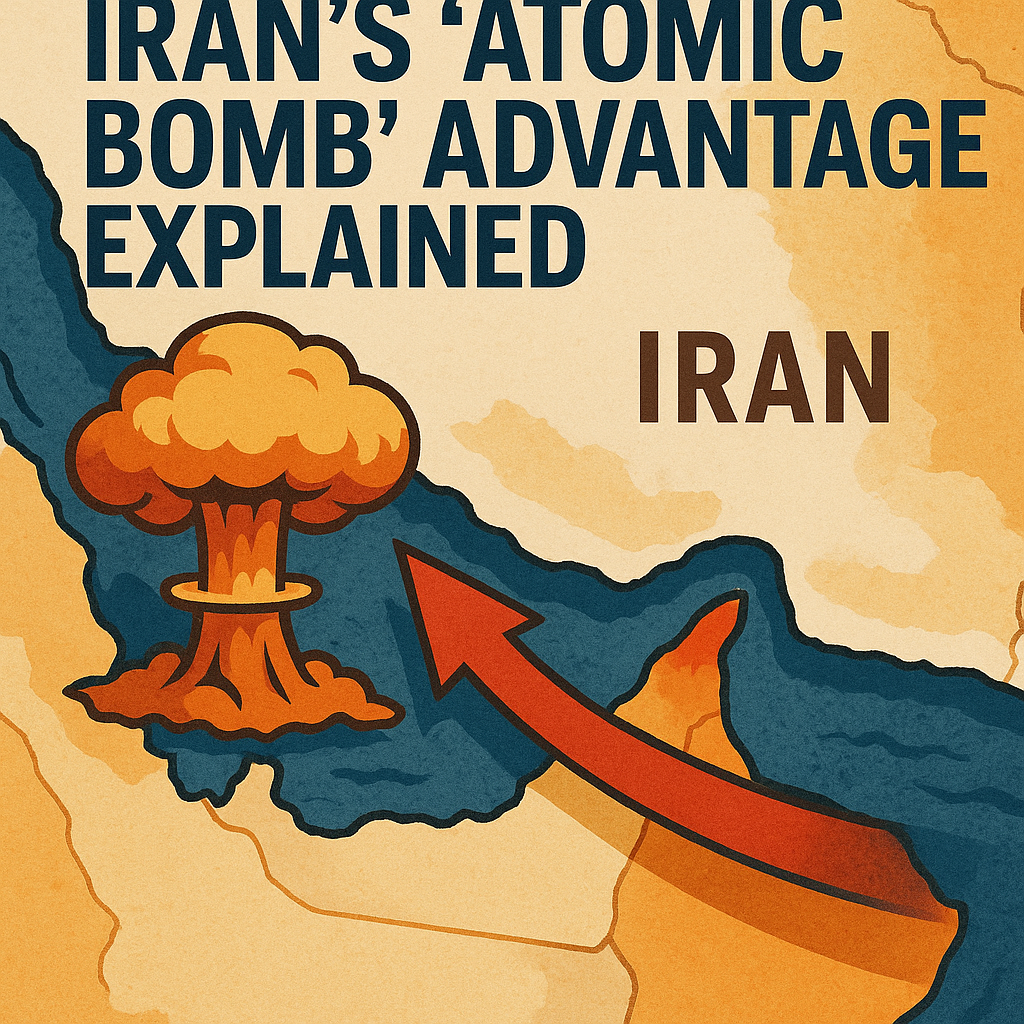
Discover the vital role of the Hormuz Strait, a strategic chokepoint for global oil trade, and how it intertwines with Irans military strategy and nuclear ambitions, making it a focal point of international tension. Join us as we unravel why Iran’s influence here is viewed by some as an atomic bomb advantage in the geopolitical landscape!
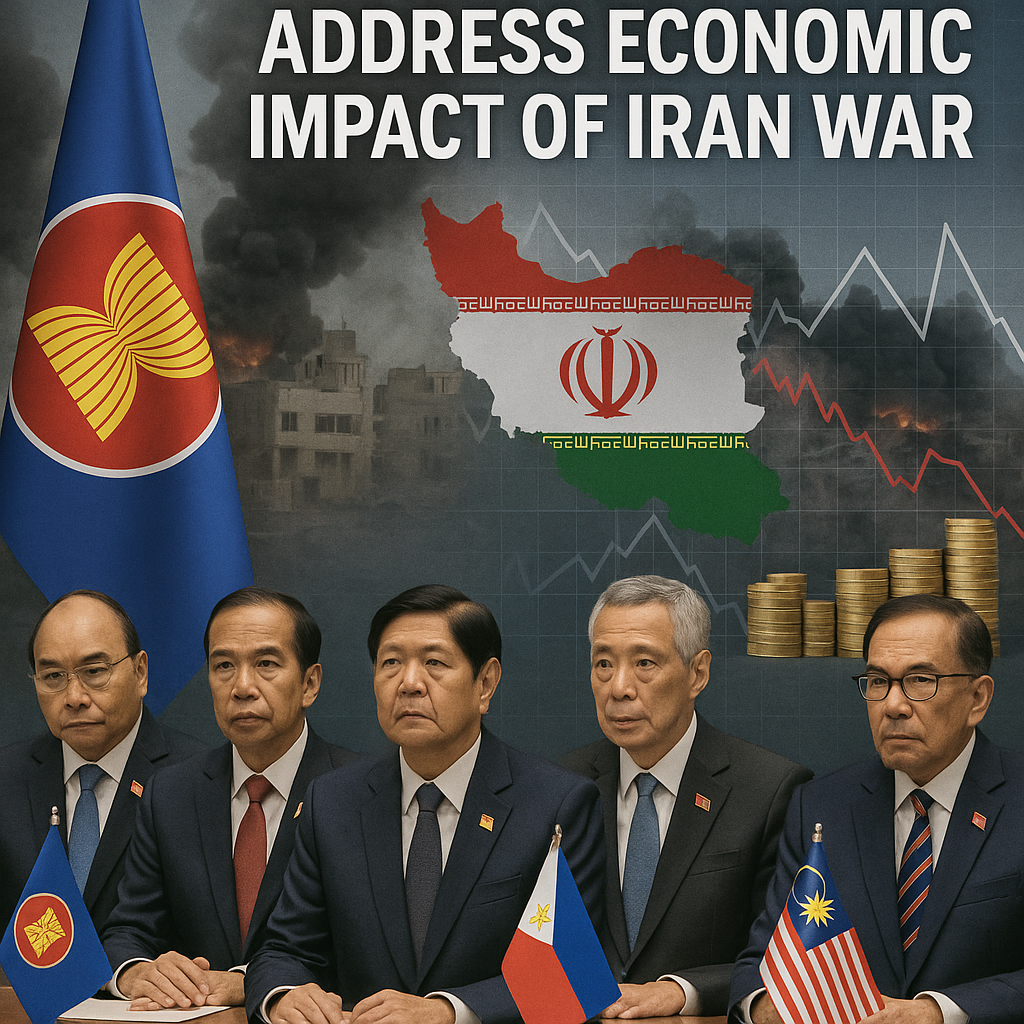
ASEAN leaders are coming together to tackle the economic fallout from the Iran conflict, as rising oil prices and supply chain uncertainties threaten to disrupt their recovery efforts. With varied strategies in play, its a crucial moment for Southeast Asian nations to unite in fortifying their energy security and exploring innovative solutions.
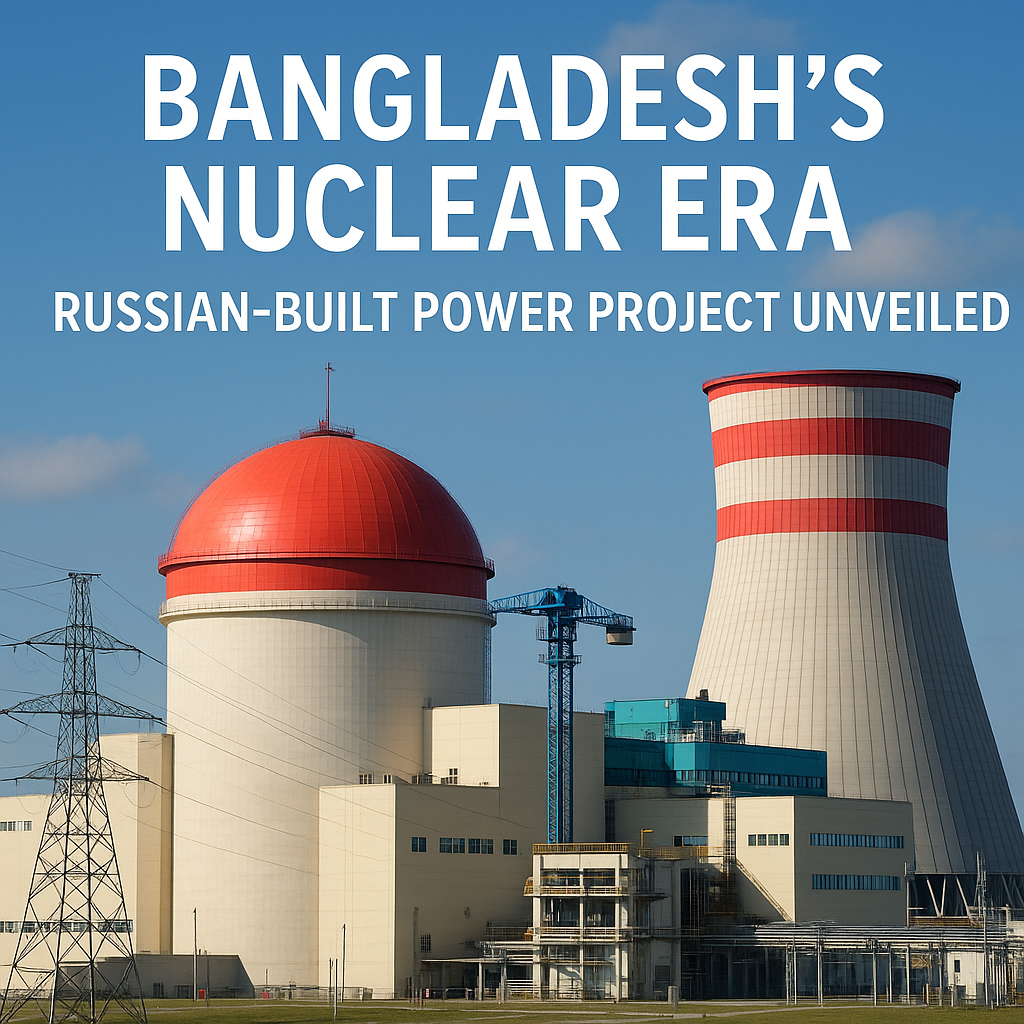
Bangladesh is stepping boldly into the nuclear age with the unveiling of its Russian-built power plant, a game-changer designed to meet soaring energy demands and secure a sustainable future. Stay tuned as this ambitious project sets the stage for a brighter, greener energy landscape!