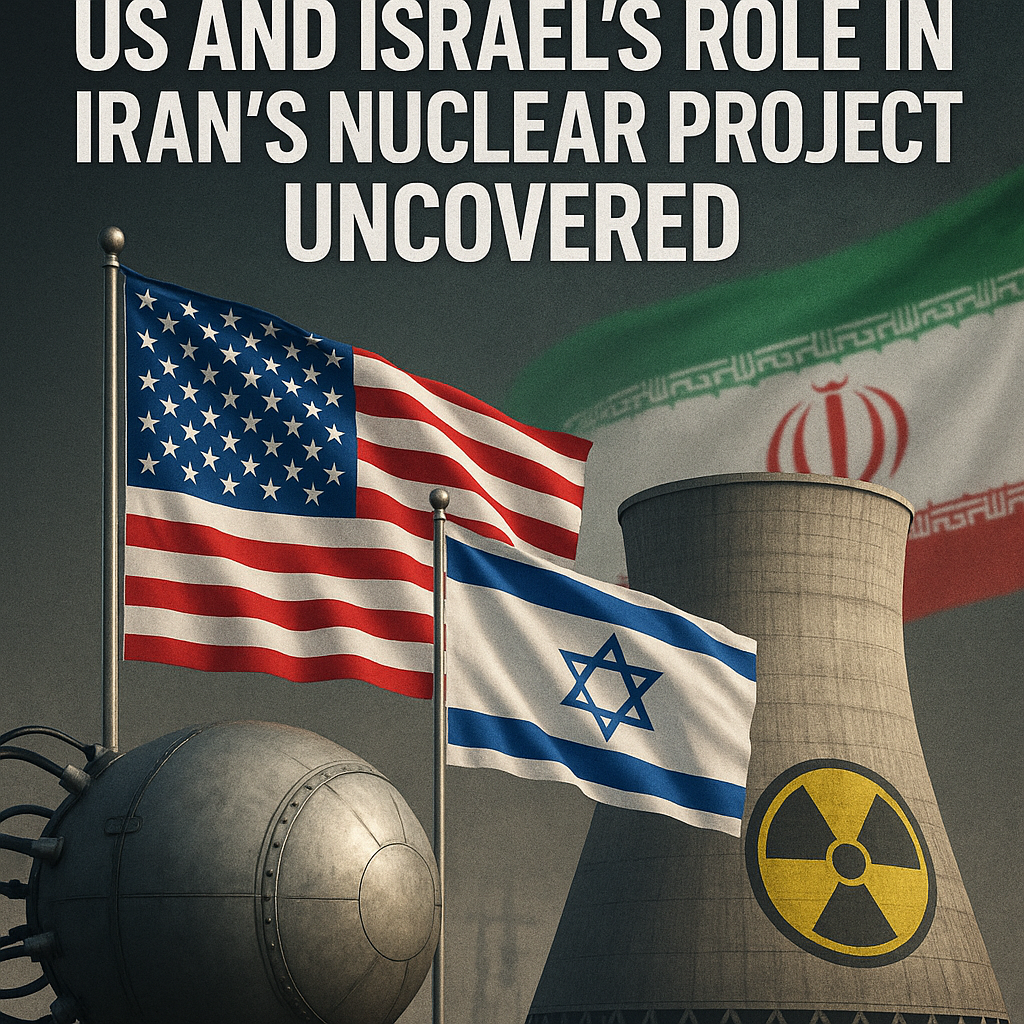
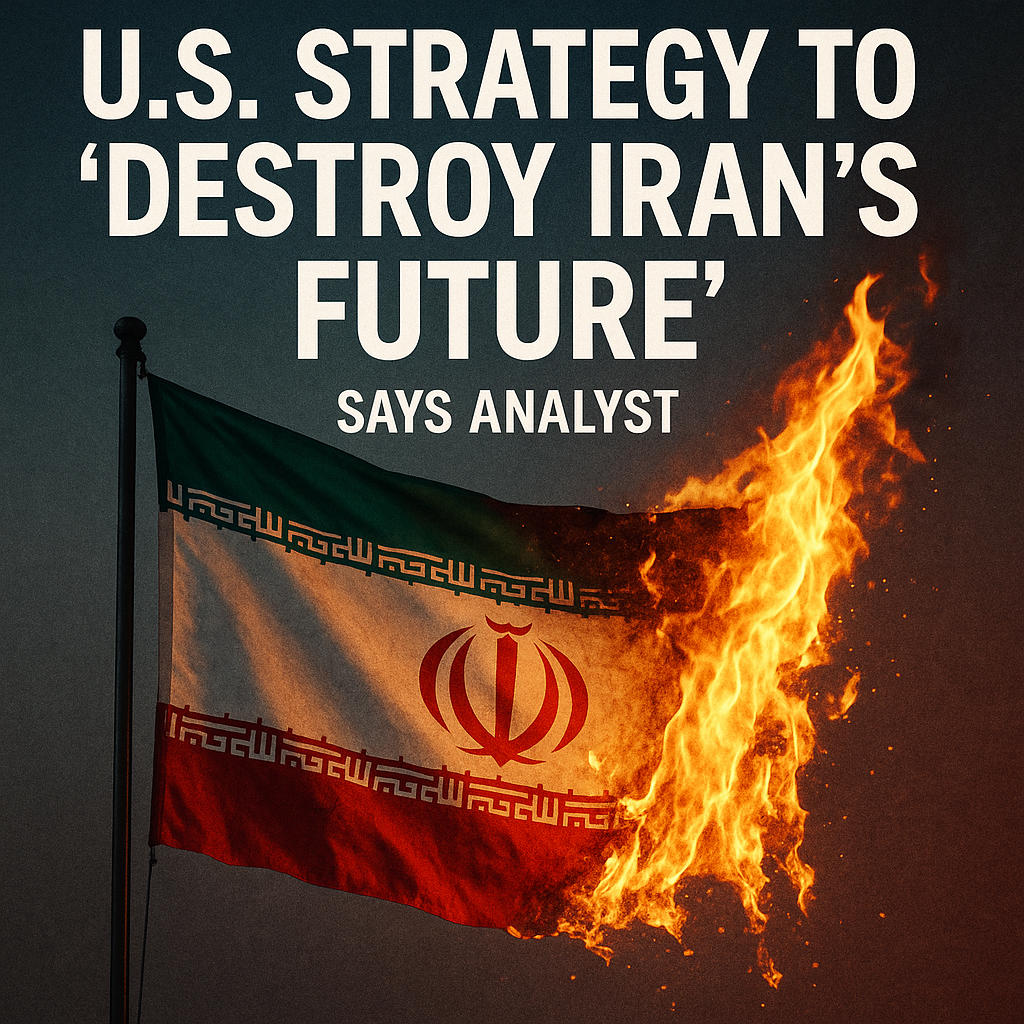
Is the U.S. really out to destroy Irans future? Dive into the heated debate ignited by a bold analysts claim and uncover the intricate web of sanctions and military strategy shaping U.S.-Iran relations.
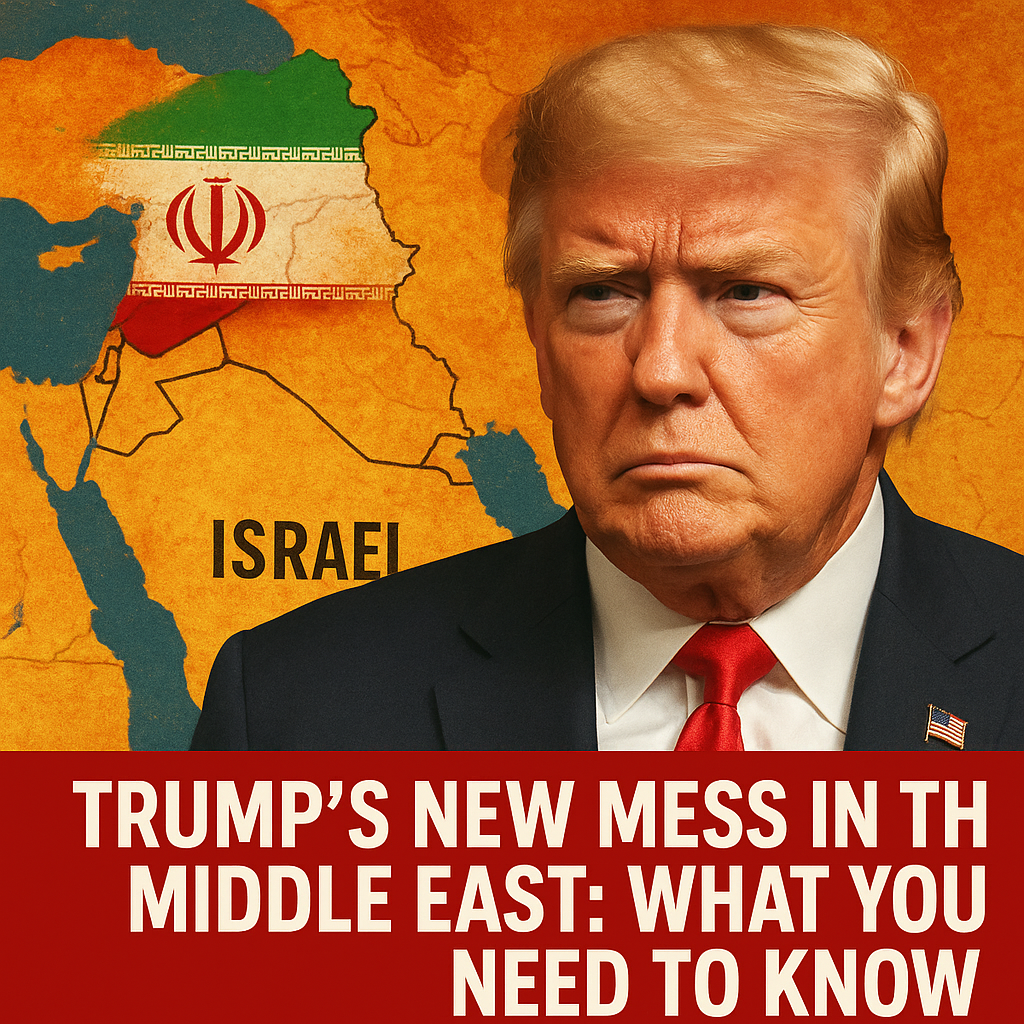
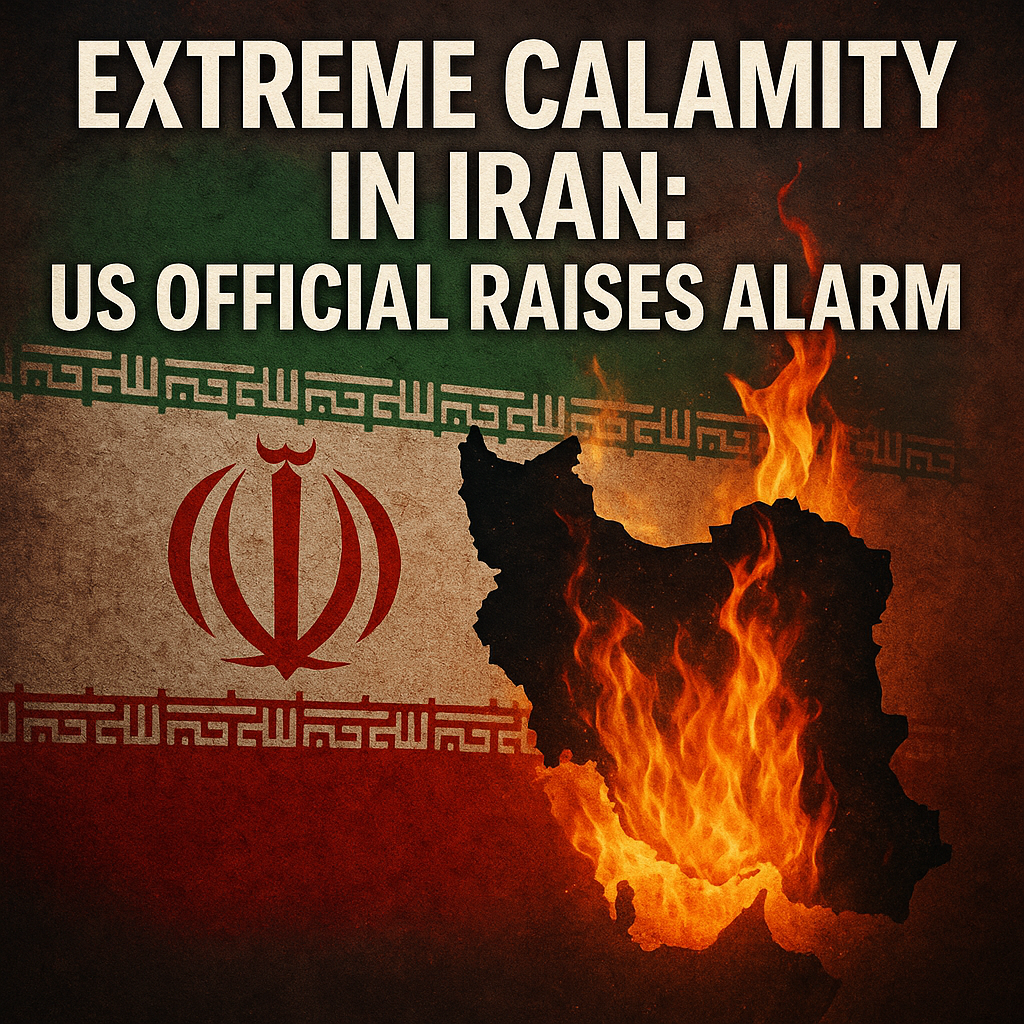
As tensions rise in Iran, a U.S. official is sounding the alarm on a crisis that could shake the region. Join us as we explore the unfolding drama of economic turmoil and political unrest that has left many Iranians demanding change.
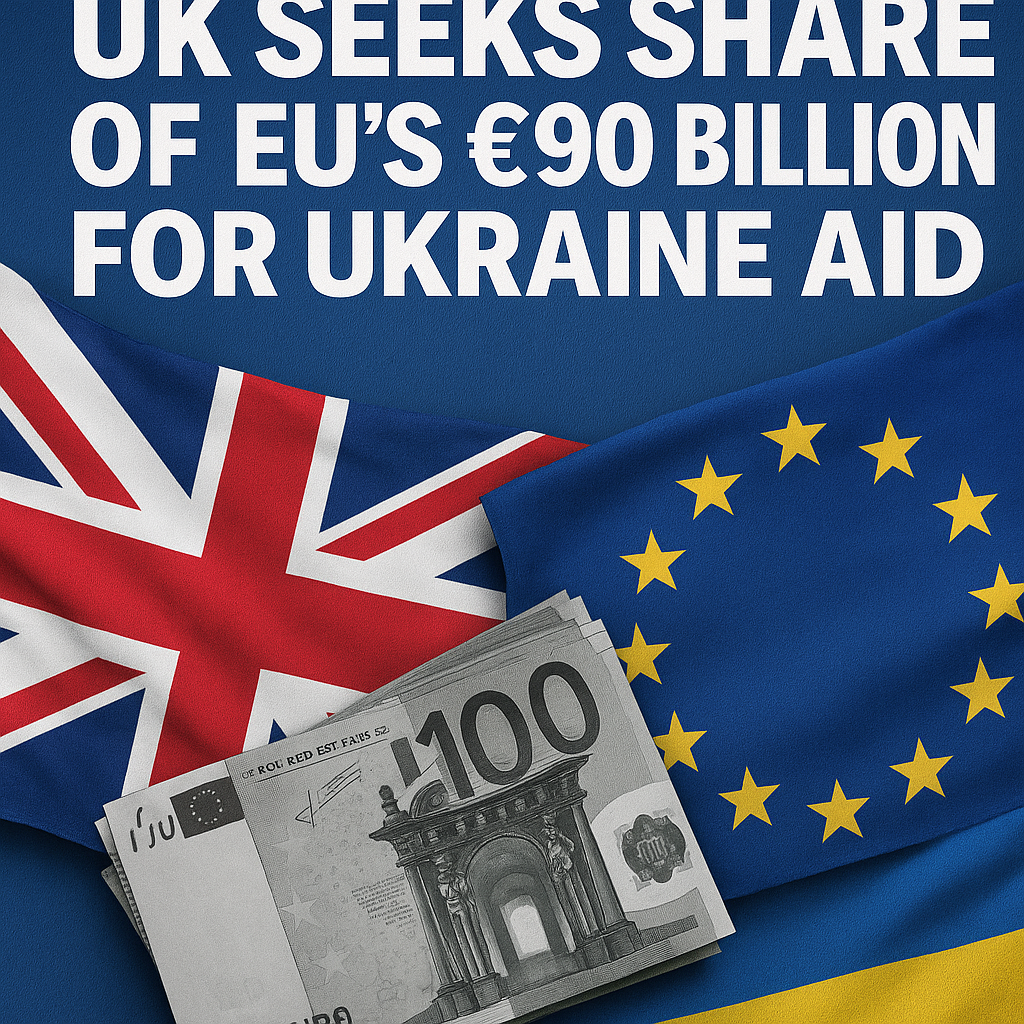
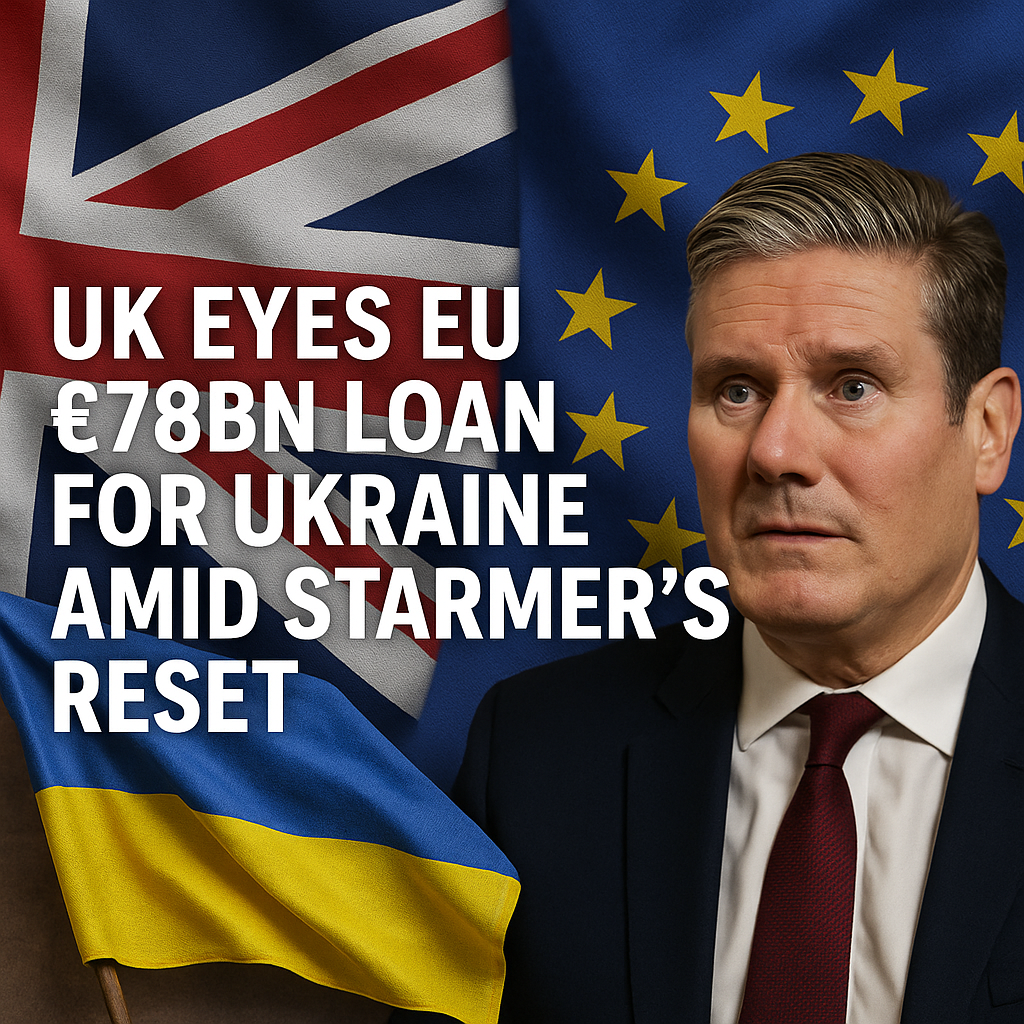
As the UK considers joining the EU’s £78 billion loan for Ukraine, it marks a pivotal moment in both foreign policy and its evolving relationship with Europe—especially as Keir Starmer aims for a fresh start within the Labour Party. This collaboration not only offers crucial support for Ukraines recovery but also symbolizes a renewed commitment to international solidarity and shared security.
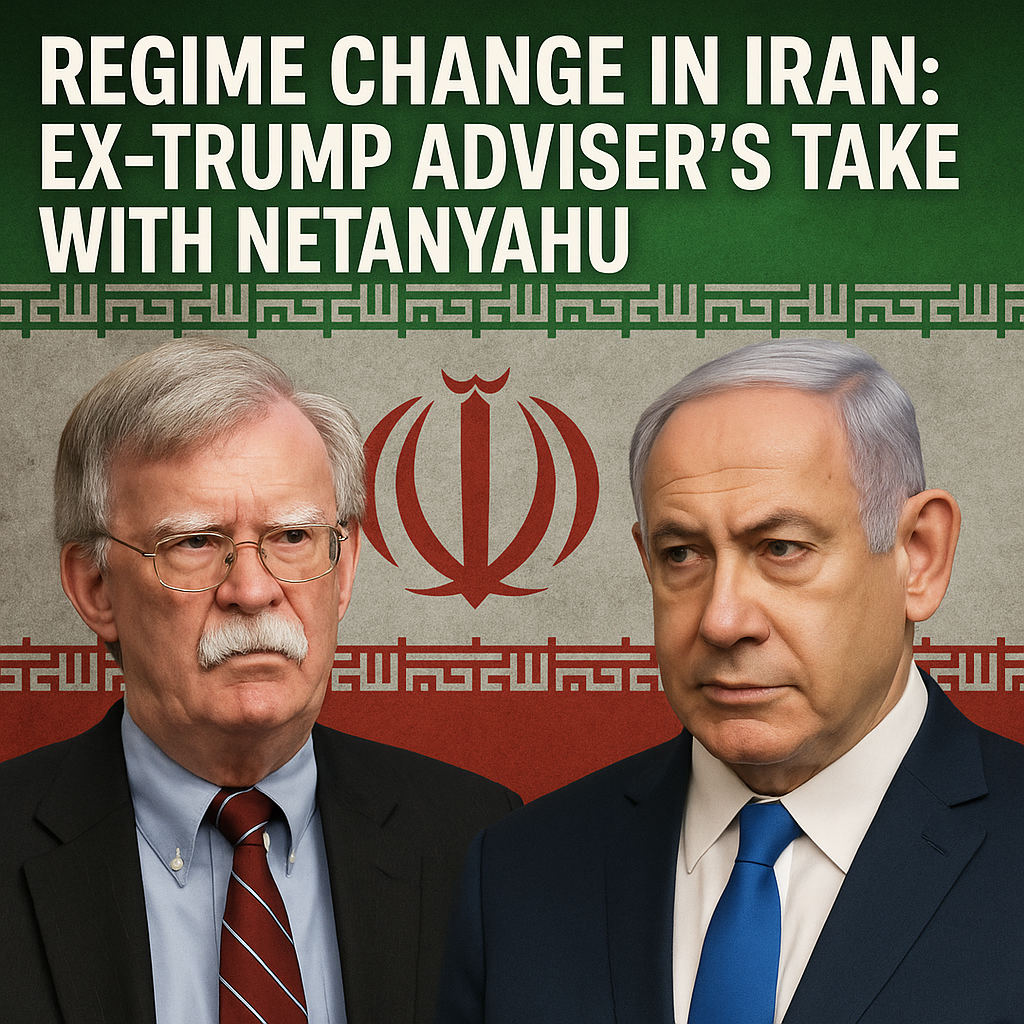
Dive into the heated debate on regime change in Iran, where former Trump adviser John Bolton believes the Iranian people are hungry for transformation, while experts warn of the dangers of intervention in a volatile region. Join us as we explore insights from key players and the historical context shaping this complex conversation!
Spain is calling on Israel to release a detainee from the Gaza flotilla, sparking renewed conversations about humanitarian efforts and the importance of free movement in these challenging times. This bold stance showcases Spains commitment to advocating for international humanitarian laws and fostering dialogue over conflict.
The recent declaration of the Iran conflict being terminated by the Trump administration has sparked intriguing conversations about foreign policy and its lasting implications. Join us as we dive into the contrasting views that shape U.S.-Iran relations today!
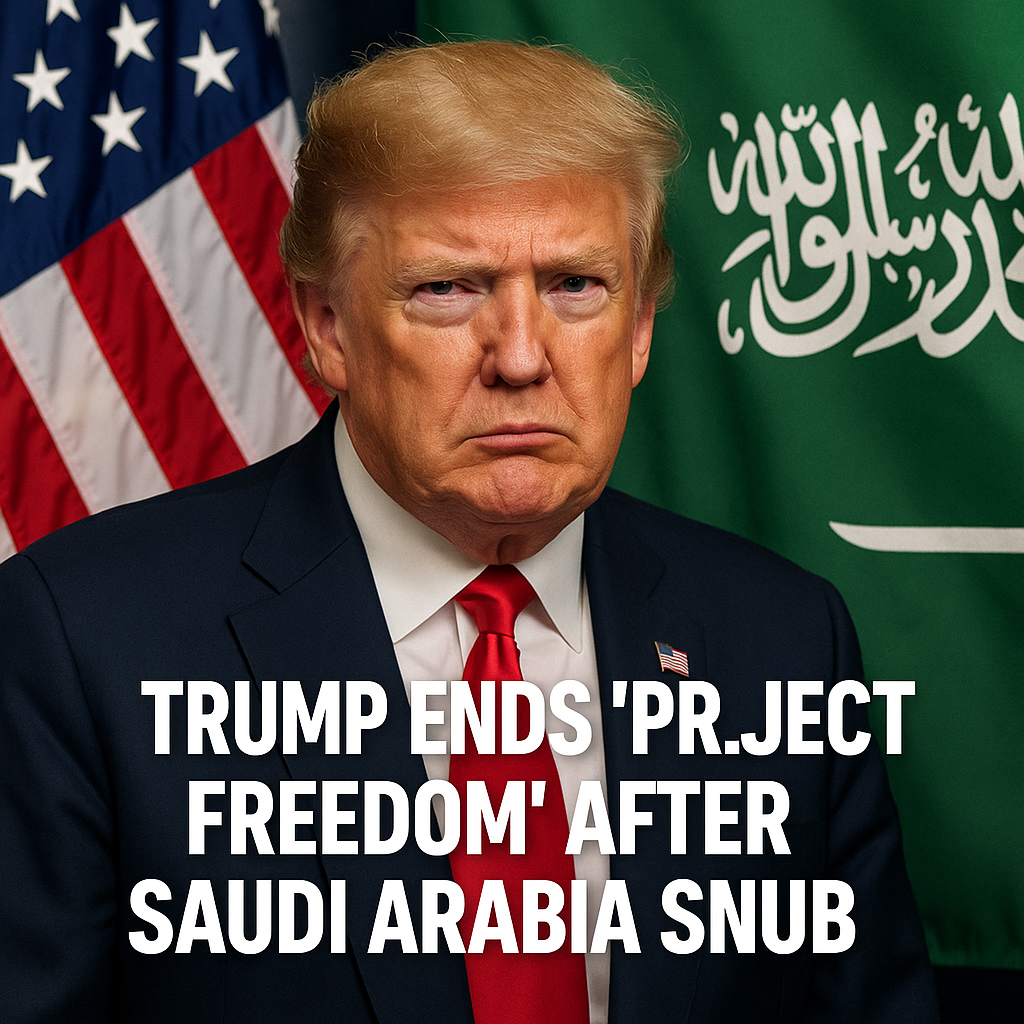
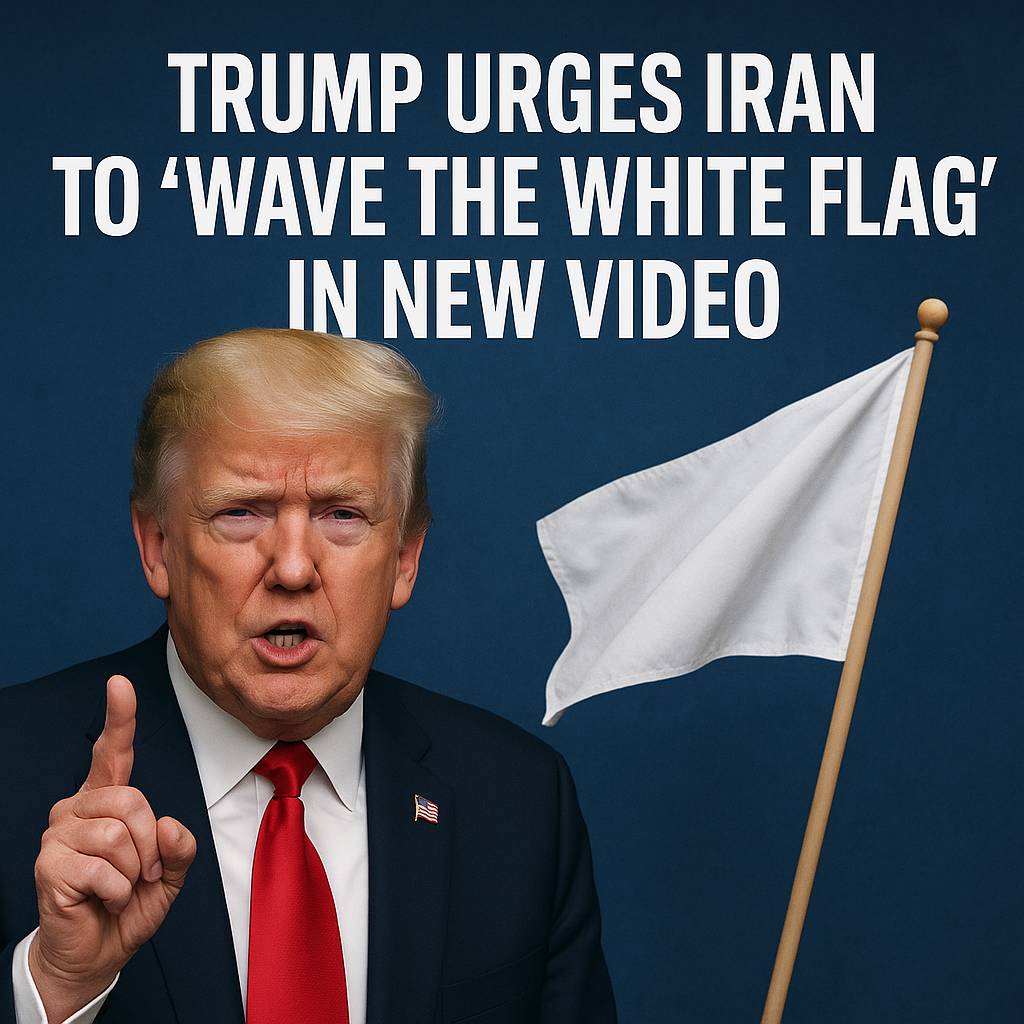
In a bold move that highlights ongoing tensions, Donald Trump has labeled Irans peace proposal terms as unacceptable, reigniting the complex dialogue around U.S.-Iran relations. As both countries grapple with differing views on diplomacy, the stakes for regional stability couldnt be higher!
A striking 61% of Americans now believe attacking Iran was a mistake, reflecting a growing desire for a more cautious approach to military engagements. As concerns over human costs and national security mount, public sentiment is clearly shifting away from interventionist policies.
As tensions rise between the U.S. and Iran, a striking disconnect emerges: while Pentagon leaders advocate for military readiness, a significant majority of Americans lean toward diplomacy over conflict. Discover why public sentiment may not align with the governments tough talk on war.
Join the conversation on the critical insights from Hegseths Iran War Hearing, where the future of U.S. military strategy and regional stability hangs in the balance—are we prepared for the challenges ahead?