Canadas recent pullback on military support for Ukraine has ignited lively debate, raising crucial questions about our role in global conflicts and the future of international solidarity. As we navigate these complex changes, its essential to consider what this might mean for both Canadas defense strategy and Ukraines fight for resilience.
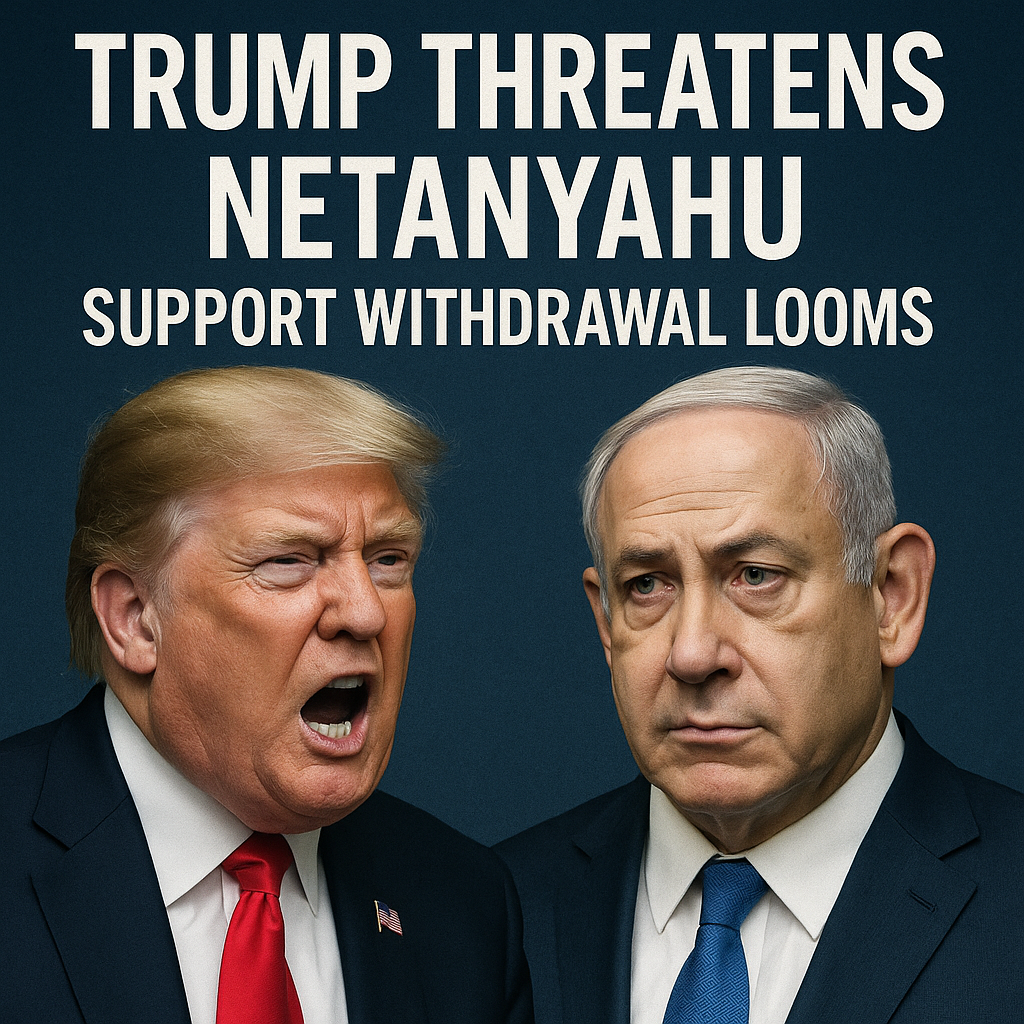
Former President Donald Trumps bold claim that Ukraine is destined to lose its war against Russia has sparked intense debate, highlighting the complexities of international support and resilience on the battlefield. As opinions clash, one thing is clear: the fight for Ukraines future is far from over!
Former President Donald Trump recently remarked that its not easy for the U.S. to send Tomahawk missiles to Ukraine, emphasizing the complicated web of strategy and international relations at play in military aid decisions. As the debate continues over whether to bolster Ukraine’s defenses, the stakes couldnt be higher for both global security and U.S. diplomacy.
In a revealing chat with Ukraines Zelensky, Trump hinted at a shift towards diplomacy, suggesting that talking is the key to ending conflict, rather than military might. This perspective sparks a crucial debate on America’s role in global tensions—will diplomacy take the lead?
Trump is igniting a critical conversation about military support for Ukraine, calling for the U.S. to preserve its Tomahawk missile arsenal to help counter Russian aggression. His remarks emphasize the importance of strengthening Ukraine’s defenses to safeguard democracy and deter tyranny.
As the conflict in Ukraine continues to reshape lives and landscapes, there’s a glimmer of hope—both sides are feeling the pressure to seek peace. Dive into the complexities of negotiations and explore the possible pathways that could lead to a brighter future for Ukraine and beyond!
Poland has swiftly rejected the rumors of troop deployments to Ukraine, focusing instead on providing vital support through training and logistics. As tensions persist in Eastern Europe, it’s crucial to understand Polands careful stance in balancing support for Ukraine with the need to avoid further escalation.
In a surprising turn, Putin has lauded North Korean soldiers for their support, highlighting a complex web of geopolitical alliances amidst escalating tensions in Eastern Europe. This revived partnership marks a significant moment in history, as both nations navigate shared adversities on the global stage.
Berlin is making waves by standing firm against Ursula von der Leyens call for EU troop deployments in Ukraine, showcasing the delicate balance of European defense strategies during these tumultuous times. While the German government is committed to supporting Ukraine, they emphasize diplomacy over direct military involvement, reflecting a cautious approach rooted in history.
In a thought-provoking analysis, Turkish columnist Hasan Aksay raises eyebrows by labeling Ukrainian President Zelensky as a key barrier to peace, sparking vital discussions on the complexities of negotiation in wartime. Dive into this article to explore the competing views on Zelenskys leadership and its impact on Ukraines path to peace!