The Pentagons latest alert reveals a worrying escalation in Israeli espionage, sparking urgent discussions about the balance between national security and international partnerships. As U.S. officials grapple with these revelations, the debate intensifies: should we tighten the reins on foreign intelligence activities or continue embracing a vital alliance?
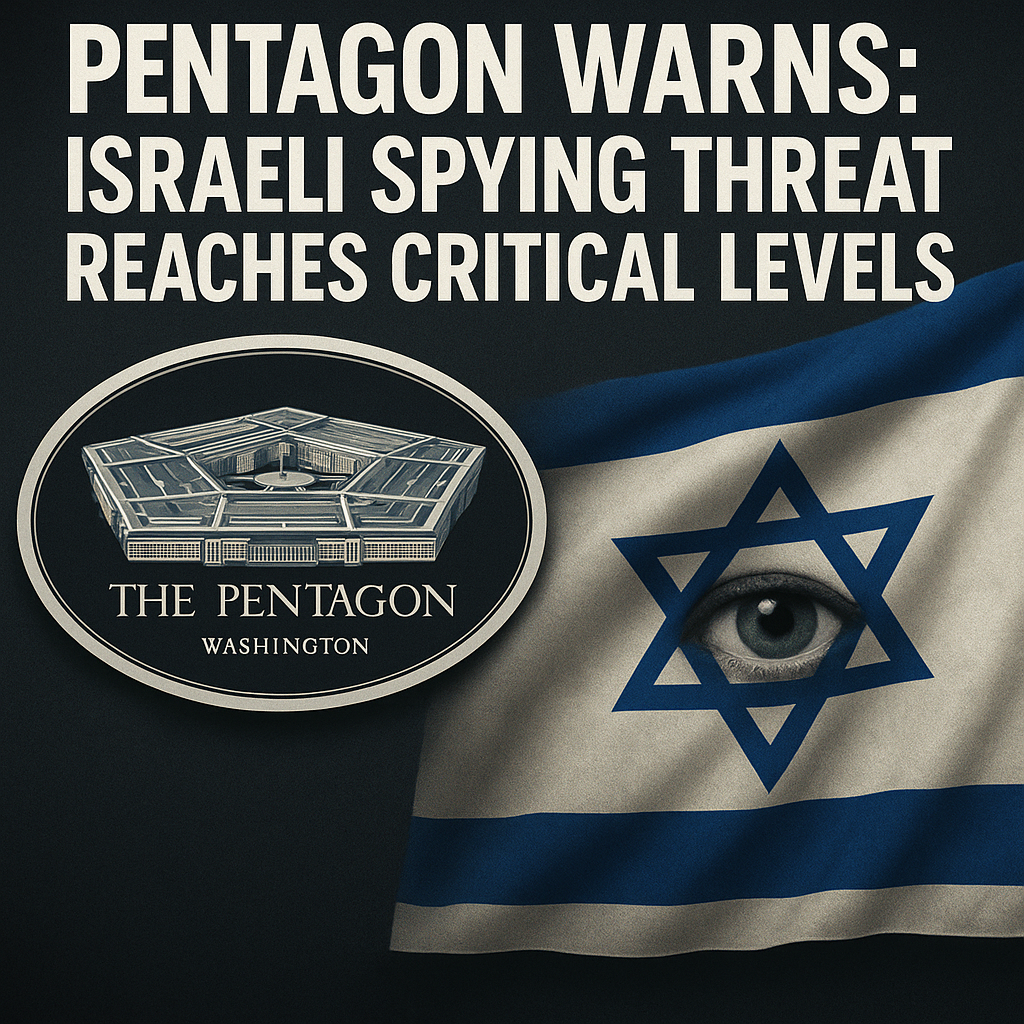
The Pentagon has officially classified Israels espionage activities as critical, raising alarm bells about potential threats to national security and the intricacies of U.S.-Israel relations. As concerns mount over intensified intelligence gathering, what does this mean for trust among allies in an increasingly complex geopolitical landscape?
As the Iran conflict drags on, Trump’s call for military support has hit a wall of skepticism, with many Americans favoring diplomacy over warfare. With public opinion divided and a growing demand for a focus on domestic issues, it’s clear that navigating these global tensions won’t be easy.
In the shadow of ongoing Israeli attacks, the people of Gaza are gripped by a profound fear for their safety and futures, navigating a harsh reality where each day feels uncertain. As the sounds of airstrikes continue to echo, the humanitarian crisis deepens, leaving residents yearning for peace amidst chaos.
A federal judge has just overturned a Trump-era policy that blocked asylum-seekers and visa applicants from certain countries, igniting hope for a more compassionate approach to immigration. This landmark ruling not only champions the rights of vulnerable populations but also sparks vital conversations about Americas role in global humanitarian efforts.
As tensions soar, Israels airstrikes on southern Lebanon mark a dramatic turning point, igniting fears of an escalating conflict that could pull the region into chaos. The refusal of Hezbollah to surrender only deepens this volatile standoff, leaving both sides bracing for what comes next.
In a pivotal turn of events, the House has voted to rein in Trumps war powers concerning Iran, igniting a heated debate about executive authority and military engagement that highlights the rifts within Congress and the nation. As tensions rise, this bold move aims to ensure that no president can unilaterally send troops into conflict without congressional approval—raising critical questions about the balance of power in the face of escalating global threats.
Kuwait has firmly condemned Iran’s recent military actions as heinous aggression, highlighting the escalating tensions in the region. As the Gulf state seeks to safeguard its sovereignty, this bold stance signals a call for unity among allies against looming threats.
In a critical moment for regional stability, Lebanon is urgently seeking talks with Washington to prevent a looming Israeli invasion, highlighting the importance of diplomacy amidst rising tensions on the border. With hopes of easing conflict, Lebanese leaders believe the U.S. can play a pivotal role in fostering dialogue and promoting peace.
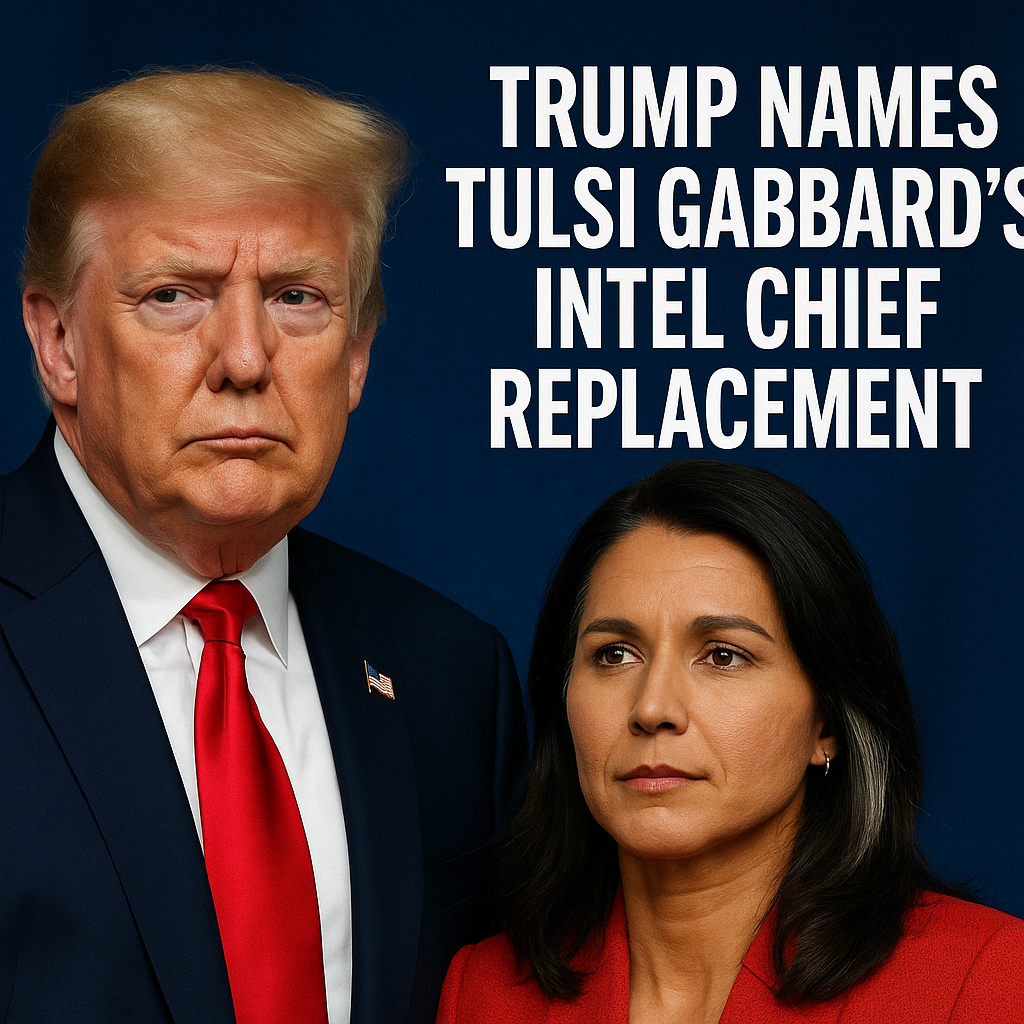
Former President Trump has stirred the political pot by naming Jason Pulte as the new Director of National Intelligence, a bold move that could reshape the nations intelligence landscape as he gears up for the 2024 election. With Pultes impressive background in counterintelligence, Trump aims to rally his base while navigating the complex world of national security.