Trump’s Iran Deal: Can It Survive Shifting Politics?

Trump’s Iran Deal: Can It Survive Shifting Politics?
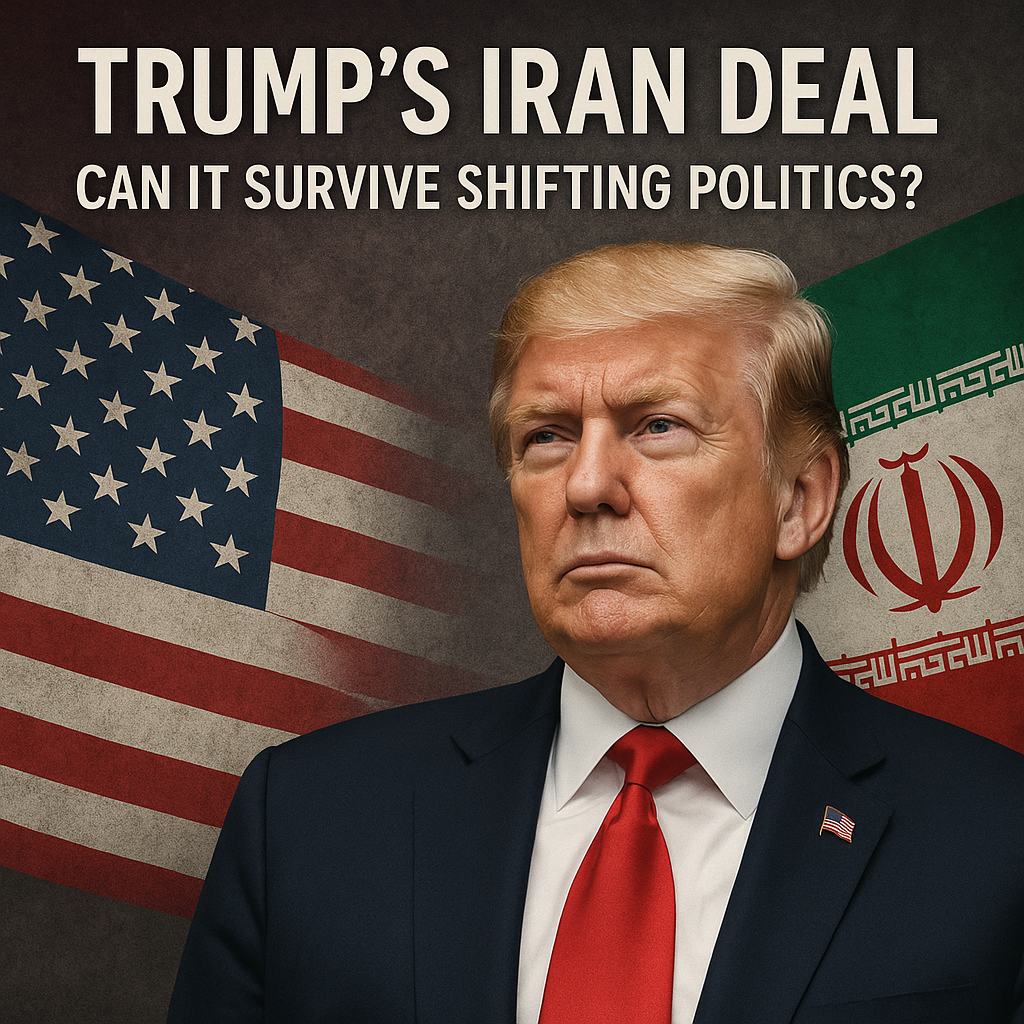
The fate of Trump’s Iran Deal has been a contentious topic amidst the backdrop of evolving political landscapes in both the United States and Iran. As discussions around the agreement resurface, many are questioning whether it can withstand the pressures of shifting political dynamics.

The Historical Context of the Iran Deal
Originally established in 2015, the Joint Comprehensive Plan of Action (JCPOA), colloquially known as the Iran Deal, aimed to limit Iran’s nuclear capabilities in exchange for relief from economic sanctions. The deal was touted as a diplomatic success. However, its fragility became evident when former President Donald Trump withdrew the U.S. from the agreement in 2018, reinstating stringent sanctions against Iran.


Since then, the geopolitical landscape has dramatically altered. The ongoing tensions between the U.S. and Iran, amplified by Iran’s subsequent nuclear advancements, indicate that the original terms of the deal may no longer be relevant. Current estimates suggest Iran has significantly progressed in enriching uranium, raising questions about the original intent and efficacy of the agreement.


Current Political Dynamics
Today, the political atmosphere surrounding the Iran Deal is complex. The Biden administration has expressed a willingness to re-engage in negotiations, but hurdles remain. Voices both supporting and opposing the deal have gained prominence in recent months, complicating the path forward.
Supporters argue that reviving the deal could provide a framework for further negotiations, potentially bringing Iran back to the table on broader issues, such as regional conflicts and missile programs. “Negotiating from a position of strength,” some proponents stress, is essential, especially in light of Iran’s growing assertiveness in the region.
Conversely, critics assert that returning to the JCPOA would merely empower the Iranian regime and fail to address its destabilizing activities across the Middle East. As articulated in various news outlets, there are fears that compliance with the agreement would signal weakness and allow Iran to regain financial resources previously restricted by sanctions.
The Uncertain Future of the Deal
Amidst the divided opinions, the actual viability of the Iran Deal remains uncertain. For one, upcoming congressional elections in the U.S. could influence the Biden administration’s approach to Iran. If the balance of power shifts in favor of Republicans, a return to the JCPOA might be jeopardized.
Moreover, Iran’s own political dynamics cannot be ignored. The Iranian government has shown reluctance to fully commit to negotiations, particularly under pressure from hardline factions opposing any engagement with Western powers. This internal dissent mirrors broader concerns about whether any agreement reached would be sustainable in the long term.
Potential Pathways Forward
Looking ahead, there are a few key pathways that could either breed success or further entrench divisions:
– Incremental Engagement: A phased approach that gradually reintroduces compliance measures and sanctions relief might create the conditions for a stronger negotiation framework. This would require careful calibration to satisfy both U.S. domestic politics and Iranian expectations.
– Broader Framework Discussions: Instead of exclusively focusing on nuclear capabilities, a more comprehensive approach addressing regional security issues and missile technology could lead to a more durable resolution. Cooperation with international allies and interested parties is critical in this respect.
– Monitoring and Accountability: Any re-engagement would necessitate robust verification mechanisms to ensure compliance, fostering trust between negotiating parties. This would also reassure skeptics domestically and internationally that major geopolitical risks are being mitigated.
Conclusion
The question of whether Trump’s Iran Deal can survive shifting politics is multifaceted and involves significant uncertainties. While the reopening of negotiations and a potential return to the JCPOA may offer diplomatic pathways, the underlying tensions highlighted by a divided political landscape pose formidable challenges. As negotiations continue, the prospects for the Iran Deal will need careful navigation, requiring both resolve and flexibility from all parties involved.