Trump Threatens to Destroy Iran Over Assassination Fears

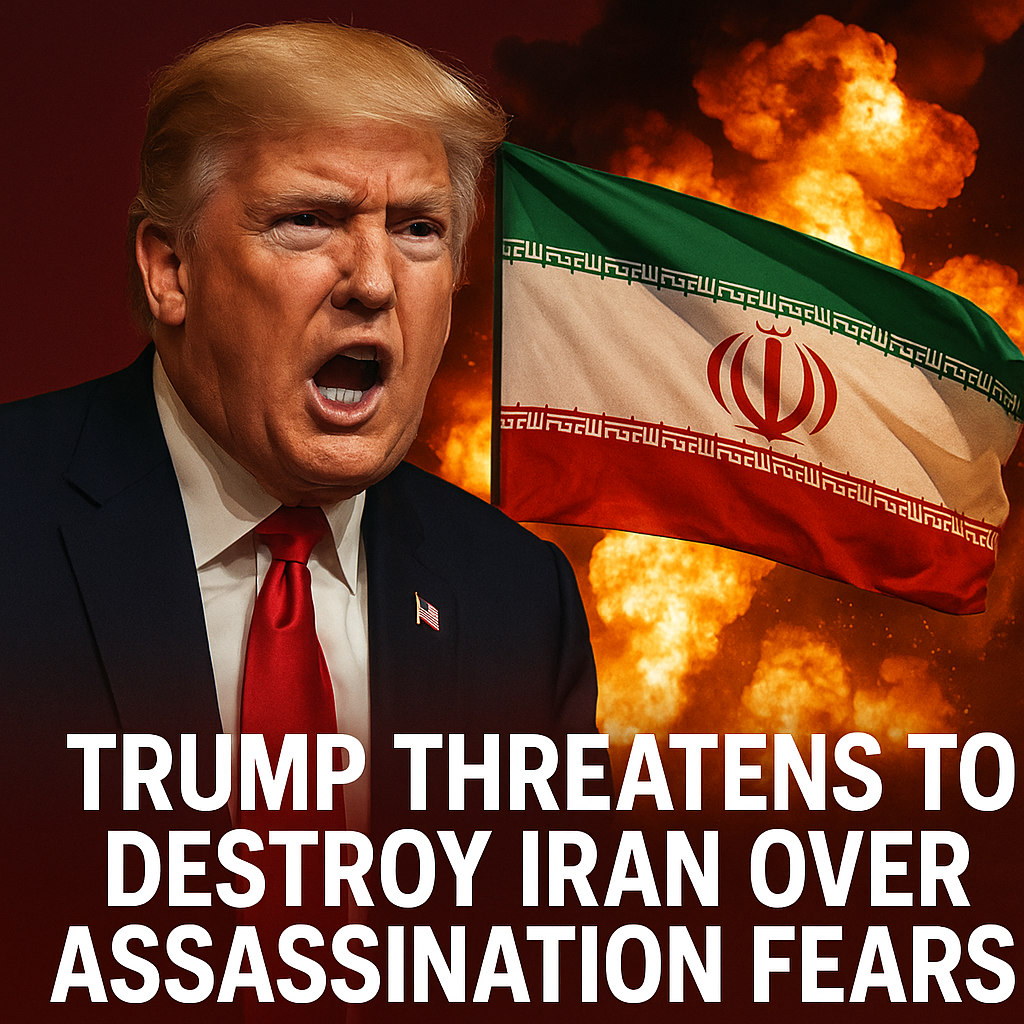
In recent weeks, former President Donald Trump has escalated tensions with Iran, voicing threats that suggest a willingness to use significant military force in response to perceived threats. This development highlights the precarious nature of U.S.-Iran relations and raises crucial questions about security, diplomacy, and the potential for conflict.

Heightened Rhetoric and Its Implications
Trump’s statements, reportedly made at a political rally, suggested that he could militarily respond to any threats against him or the U.S. by “destroying” Iran with 1,000 missiles. This rhetoric has sparked widespread concern among foreign policy analysts and those monitoring Middle Eastern geopolitics. Critics argue that such incendiary comments can exacerbate an already volatile situation, causing Iran to feel cornered and more likely to react defensively.


According to reports from various news outlets, including Sky News and Al Jazeera, Trump’s remarks have drawn criticism for potentially undermining diplomatic avenues. Many experts emphasize the need for dialogue over military confrontation, arguing that aggressive posturing can lead to miscalculations and unintended consequences. By framing the situation in terms of destruction, Trump risks alienating potential allies and destabilizing regional peace efforts.


Diverse Reactions from Various Stakeholders
The international community’s reaction to Trump’s threats has been mixed. Iranian officials have dismissed the rhetoric as posturing intended to rally domestic support rather than as a serious indication of U.S. military intentions. Iranian Foreign Minister Hossein Amir-Abdollahian said in a recent statement, “We are not frightened by these threats. The United States should be more cautious about its statements, as they have consequences.”
On the other hand, some analysts suggest that such threats contribute to an environment of fear that could push Iran towards developing its military capabilities further, especially in its missile technology. A former U.S. ambassador to Iran remarked that while the Iranian regime often uses external threats to justify its nuclear ambitions, clear and steady dialogue could prevent escalation.
Analyzing the Broader Context
Context is essential for understanding Trump’s threats against Iran. The U.S. has a long history of complex relations with the Islamic Republic, characterized by mutual distrust and significant geopolitical stakes. Since the withdrawal from the Iran nuclear deal in 2018, tensions have heightened, with both sides engaging in provocative actions ranging from sanctions to military buildups.
At a time when the global stage is already highly charged—due to the ongoing conflict in Ukraine and rising tensions in Asia—Trump’s aggressive tone raises alarms about the possible ramifications for international stability. Observers fear that any outbreak of military conflict could destabilize not just the Iran-U.S. relationship, but also affect oil prices, global markets, and broader Middle Eastern security.
Seeking Balance in U.S.-Iran Relations
To foster stability and avoid further escalation, it is vital for U.S. policymakers to adopt a more balanced approach towards Iran. Several analysts call for a combination of strategic deterrence and engagement, suggesting that while the U.S. must remain prepared to defend its interests, there must also be room for diplomatic solutions.
Engagement strategies could include reinstating dialogue aimed at mutual interests—such as regional security and counterterrorism—while ensuring that U.S. allies in the region feel secure. Measures could also be taken to address Iran’s nuclear ambitions through negotiations rather than threats of destruction.
Many analysts argue that diplomacy is the only viable path forward, noting that steps toward dialogue could help de-escalate tensions that Trump’s comments have inflamed. In a region where miscommunications can lead to disastrous consequences, the call for well-considered diplomacy is urgent.
Conclusion: Navigating a Complex Landscape
The current milieu surrounding Trump’s threats to Iran underscores a critical need for diplomatic pragmatism. While his remarks resonate with certain domestic audiences in the U.S., they threaten to complicate an already fraught geopolitical landscape. As global tensions rise, it becomes essential for leaders to engage in thoughtful dialogue rather than provocative rhetoric.
By assessing the reactions from both U.S. stakeholders and Iranian officials, it’s clear that the path ahead requires careful navigation, focused on understanding and mitigating risks, rather than heightening tensions. The overarching priority must be to prevent conflict and work toward a more stable and secure future for both nations and their respective allies.