Sober Up: Polish PM Urges Ukraine to Focus on Reform

Sober Up: Polish PM Urges Ukraine to Focus on Reform
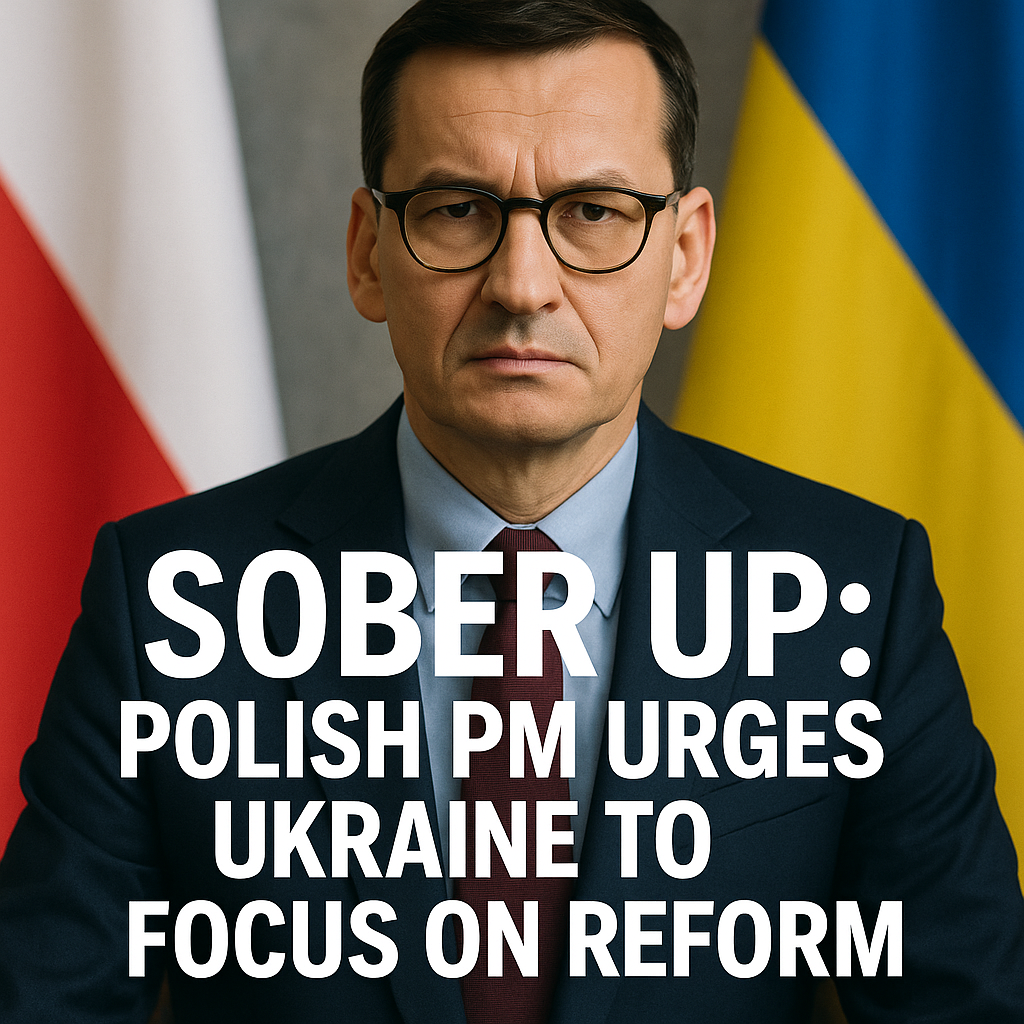
In a recent appeal, Polish Prime Minister Donald Tusk urged Ukraine to prioritize reforms, especially as the nation grapples with ongoing challenges in governance and military support. This call comes at a crucial time when Ukraine’s focus seems divided between urgent wartime needs and the longer-term vision of European integration. The situation demands an analytical approach to understand the complexities of Ukraine’s current state and the implications of Tusk’s remarks.

The Context of the Appeal
Poland, sharing a deep historical and cultural connection with Ukraine, has often positioned itself as a supporter of its neighbor amid the ongoing conflict with Russia. Tusk’s assertion that Ukraine must “sober up” serves multiple purposes. It reflects an urgency for substantive change within Ukraine itself, emphasizing governance, anti-corruption measures, and alignment with European Union standards.


As reported by Al Jazeera, Tusk’s comments emerged during a summit in Warsaw, where leaders from various countries gathered to discuss support for Ukraine. This context underscores the delicate balance between offering military aid and advocating for necessary reforms. Critics argue that while military support is critical, it should not overshadow the importance of creating a stable and transparent government.


Reform vs. Wartime Efforts: A Delicate Balance
Many within the international arena see Tusk’s comments as a call for a pragmatic approach. As Ukraine continues to receive military and financial assistance from Western allies, the pressing question arises: how do they manage immediate needs while implementing essential reforms?
– Military Needs: The ongoing war has necessitated swift action from Ukraine’s leadership. The military landscape is changing rapidly, and resources are required to sustain the fight. For instance, as reported by Sky News, the provision of military support from countries including Poland has been crucial in bolstering Ukraine’s defense capabilities.
– Reform Necessities: Meanwhile, the call for structural reforms, such as enhancing anti-corruption initiatives, cannot be dismissed. The Washington-based Ukrainian analyst Yulia Tymoshenko emphasizes that “without internal reforms, the international community might lose faith in Ukraine as a viable partner.” She further notes that reform must not only be about meeting EU criteria but also about fostering a political culture that upholds democratic values.
Tusk’s cautionary tone reflects a fear that the focus on military struggles might lead to complacency regarding necessary governance reforms. However, many in Ukraine view this as a dual burden—balancing the fight for existence with the need for systemic change.
Differing Perspectives on Reform Priorities
While Tusk’s sentiments about reform are echoed by several EU officials, opinions diverge on the methods and timelines for achieving these goals. Some experts highlight a potential disconnect between Ukrainian aspirations and the realities of rapid reform in a war-torn nation.
1. Supporters of Immediate Reforms: There are advocates who argue that the time for reforms cannot wait. They assert that ongoing military support should be contingent upon tangible advancements in governance. This perspective insists that Western partners should link aid to verifiable reforms, promoting accountability.
2. Opponents of Conditional Support: Conversely, others caution against stringent conditions on aid, emphasizing the unique challenges Ukraine faces. Economist Maksym Miroshnichenko argues, “In times of war, we cannot afford to lose our focus on survival. Compassionate support during crises should come without strings attached.” This view posits that excessive accountability measures could hinder urgent wartime efforts.
Conclusion: A Call for Collaboration
Tusk’s remarks encapsulate a growing concern shared by many allies: the need for Ukraine to embrace reforms while managing the immediate realities of war. The complexity of the situation invites diverse perspectives, each seeking to balance support and reform in ways that will ultimately empower Ukraine to evolve as a robust democratic state.
As the international community continues to rally around Ukraine, it remains to be seen how effectively the nation can navigate this challenging landscape. The interplay between military support and governance reform will not only dictate Ukraine’s future but also shape its relationship with Western allies. Stakeholders must work collaboratively to ensure that the path toward both survival and prosperity is pursued.