US Commanders Ignored Warnings Before Iran School Strike

Ignoring Dire Warnings: The US Commanders and the Iran School Strike
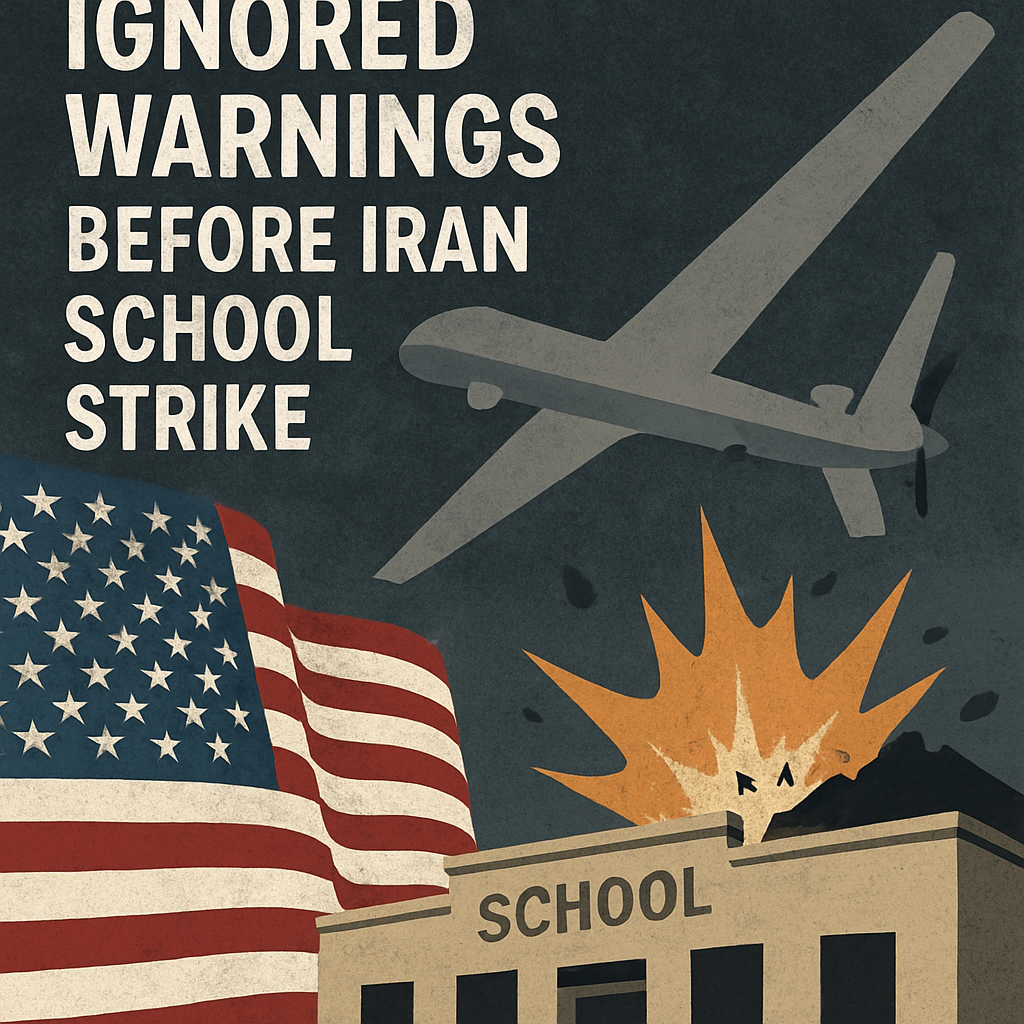
The recent tragedy involving a school strike in Iran has raised critical questions about decision-making in military operations. Evidence suggests that US commanders ignored warnings about the potential consequences of their actions, leading to devastating outcomes. This incident highlights the complex interplay of intelligence assessments, military strategy, and geopolitical implications in modern warfare.

Context of the Incident
On October 8, 2023, a military strike in the vicinity of Minab, Iran, reportedly resulted in the death of numerous civilians, including children attending a local school. According to various reports, US intelligence sources had communicated warnings about the likelihood of civilian casualties before the operation. Despite this intelligence, commanders proceeded with the attack, prompting an outcry from both domestic and international observers.


Sources from RT indicate that the intelligence warnings were specific in detailing potential civilian presence in the targeted area. An analysis of the situation suggests a troubling gap between the intelligence available and the decisions made. Critics argue that this incident not only demonstrates a failure in command but also raises ethical questions regarding the prioritization of military objectives over human life.


Diverging Views from Global News Outlets
There is a noticeable divergence in how different news outlets are portraying the implications of this strike. Al Jazeera emphasizes the humanitarian crisis that has arisen from the attack, calling it an egregious violation of international law. Their coverage features statements from Iranian officials expressing outrage and demanding accountability from US military leaders. They argue that the unnecessary loss of life signals a broader trend of disregard for civilian safety amidst military operations, which exacerbates tensions in an already volatile region.
Conversely, Sky News offers a more analytical perspective, focusing on the operational challenges faced by military commanders in high-stakes environments. They note that while the intelligence presented was alarming, the complexity of battlefield conditions often leads to difficult decisions. US military experts quoted in their reports suggest that commanders must sometimes make split-second decisions, which may not always align with the intelligence received. This viewpoint opens a dialogue about the inherent challenges in military command, balancing real-time decisions with long-term strategic goals.
The Ethical Landscape of Military Decisions
The schism between these perspectives sheds light on the ethical dilemmas inherent in military interventions. The decision to act on potentially flawed intelligence can have catastrophic consequences, as illustrated by the Minab incident. Ethically, commanders are faced with the responsibility of weighing immediate tactical advantages against the moral obligation to protect civilian lives.
Moreover, the fallout from this strike may not be confined to political diplomacy alone. Local populations suffering from military actions often turn into breeding grounds for unrest and radicalization, as civilians may feel justified in retaliating against perceived aggressors. This cycle of violence presents a challenge for US foreign policy, where military action often complicates peace-building efforts.
Implications for Future Military Operations
As investigations into this incident continue, it becomes increasingly important to reflect on the lessons that can be learned. A potential path forward involves improving communication channels between intelligence agencies and military command. Strengthening protocols that mandate consideration of civilian safety in operational plans could help to avert similar tragedies in the future.
Moreover, accountability must be established not just at the operational level but also within the broader military hierarchy. Calls for transparency in how decisions are made and the considerations that influence them are essential for rebuilding trust with both domestic and international audiences.
Ultimately, the tragic event in Iran is a stark reminder of the human cost associated with military decisions. While debates on military strategy will undoubtedly continue, it is paramount that the voices of those affected by such actions remain at the forefront of discourse. The dualities of military necessity versus civilian safety must be navigated with care to avoid repeating the mistakes of the past.
As the investigation unfolds, only time will reveal the full impact of this incident on the future of US military engagements and the dynamics of international relations in the region. In the meantime, the question remains: how can military decision-making evolve to prevent another tragedy of this scale? The answer to this question may dictate the path of US foreign policy for years to come.