US-Iran Trade Strikes Erupt Days After Peace Pact

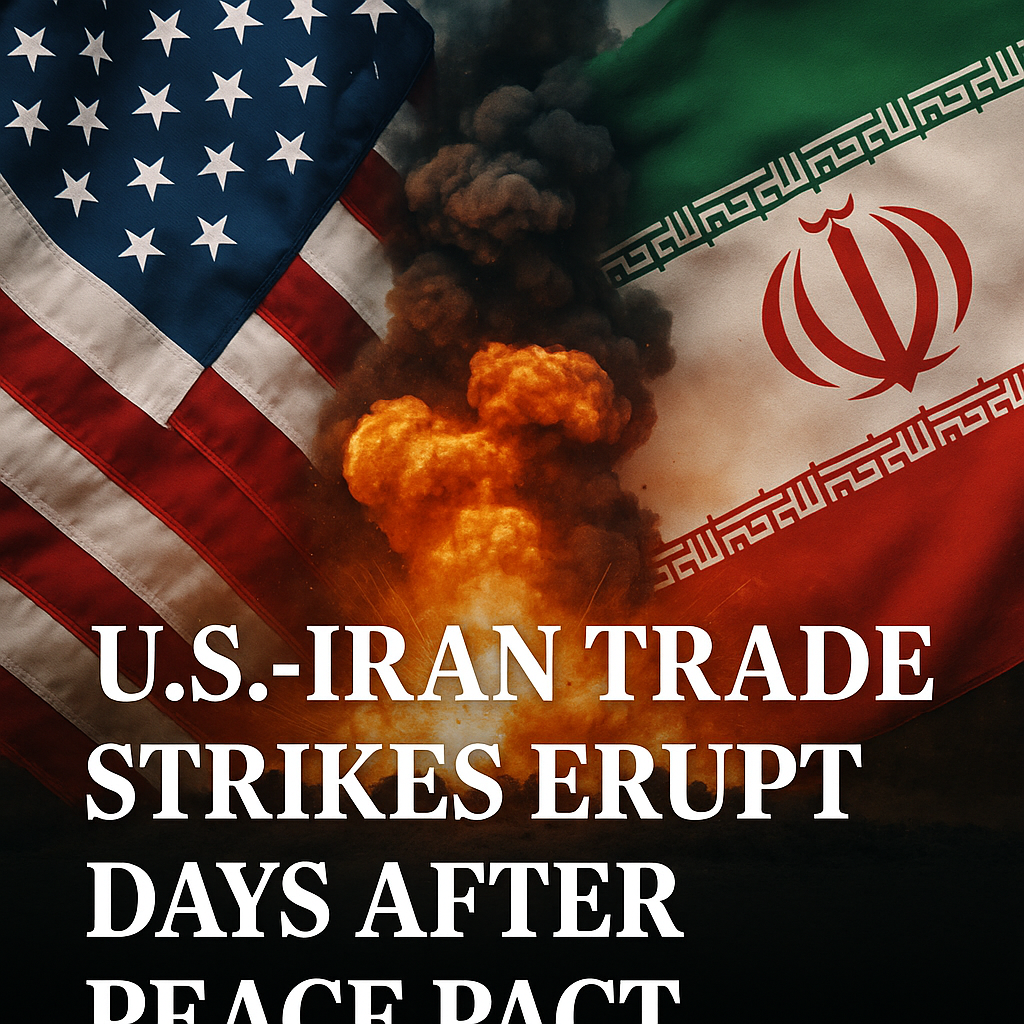
Escalating Tensions: US-Iran Trade Strikes Erupt Days After Peace Pact
In a surprising turn of events, trade strikes between the United States and Iran erupted just days after a new peace agreement was signed, shaking expectations of a more stable bilateral relationship. This situation not only highlights the fragile nature of their negotiations but also underscores the complexities surrounding trade policies in a geopolitically charged landscape.

The Context of the Peace Pact
The peace agreement, which aimed to pave the way for improved economic relations and reduced tensions, was celebrated internationally as a milestone for diplomacy. Many viewed it as a crucial step toward stabilizing the region’s economic and political environment, offering both nations the potential for collaboration over confrontation.


However, just after this diplomatic breakthrough, reports emerged of renewed trade sanctions and hostile economic measures by the US against Iran. According to Al Jazeera, a “series of trade strikes” commenced shortly after the announcement, suggesting that underlying animosities remain unresolved, despite the surface-level progress.


RT reported that the US government initiated new sanctions targeting Iranian oil exports—a significant source of revenue for Tehran. These sanctions were justified by US officials based on ongoing concerns regarding Iran’s nuclear program and its influence in regional conflicts, such as those in Syria and Yemen. Critics argue that such measures contradict the spirit of the nascent peace pact and fuel the flames of hostility.
Diverging Perspectives on the Trade Strikes
The situation has sparked a range of opinions and analyses among policymakers, analysts, and experts. On one side, proponents of the trade strikes argue that relentless pressure through sanctions is a necessary strategy to compel Iran to comply with international norms. Dr. Emily J. Winter, a Middle Eastern affairs analyst, mentioned in a recent opinion piece, “Sanctions are an essential tool to maintain leverage over Iran’s nuclear ambitions; concessions cannot be made without assurances of accountability.” This perspective suggests that even within peaceful frameworks, robust enforcement of existing agreements is critical.
Conversely, critics of the sanctions and trade strikes point to the potential long-term repercussions of such aggressive tactics. They argue that renewed hostility could negate any goodwill fostered by the peace agreement. A representative from an economic think tank stated, “Economic pressure can create resentment, alienate moderates, and hamper the very dialogue that’s necessary for lasting peace.” This highlights a legitimate concern that the strikes could derail a fragile peace, creating a cycle of tension where neither side benefits.
The Implications for US-Iran Relations
The ongoing trade strikes raise important questions about the sustainability of the recent peace efforts and the future of US-Iran relations.
1. Impact on Regional Stability: As the US tightens economic restrictions, Iran may react with intensified resistance or retaliatory measures, potentially destabilizing neighboring regions. The cycle of response and retaliation could undermine not only the peace accord but also broader diplomatic efforts aimed at calming the Middle East.
2. Domestic Political Considerations: Both American and Iranian leadership face their own domestic pressures that influence international relations. In the US, political factions vary in their support for engagement with Iran, often swaying policy directions. Meanwhile, in Iran, hardliners may exploit US actions to rally nationalist sentiments, further complicating diplomatic overtures.
3. International Reactions: The shifting dynamics between the US and Iran attract attention from key global players, including the EU and Russia. Their reactions could provide alternative avenues for diplomacy or foster additional tensions, depending on how they perceive US actions in light of the peace agreement.
In conclusion, the recent trade strikes that erupted days after the peace pact between the US and Iran illustrate the intricate dance of diplomacy marked by competing interests, suspicions, and strategic calculations. While the peace agreement offers a glimmer of hope for improved relations, the ongoing economic hostilities serve as a potent reminder of the complexities involved in achieving lasting stability in the region. Uncertainties remain, and both nations must navigate these turbulent waters carefully to avoid a full-blown return to confrontation.