US Lifts Sanctions on Iranian Oil: Impact on Global Markets

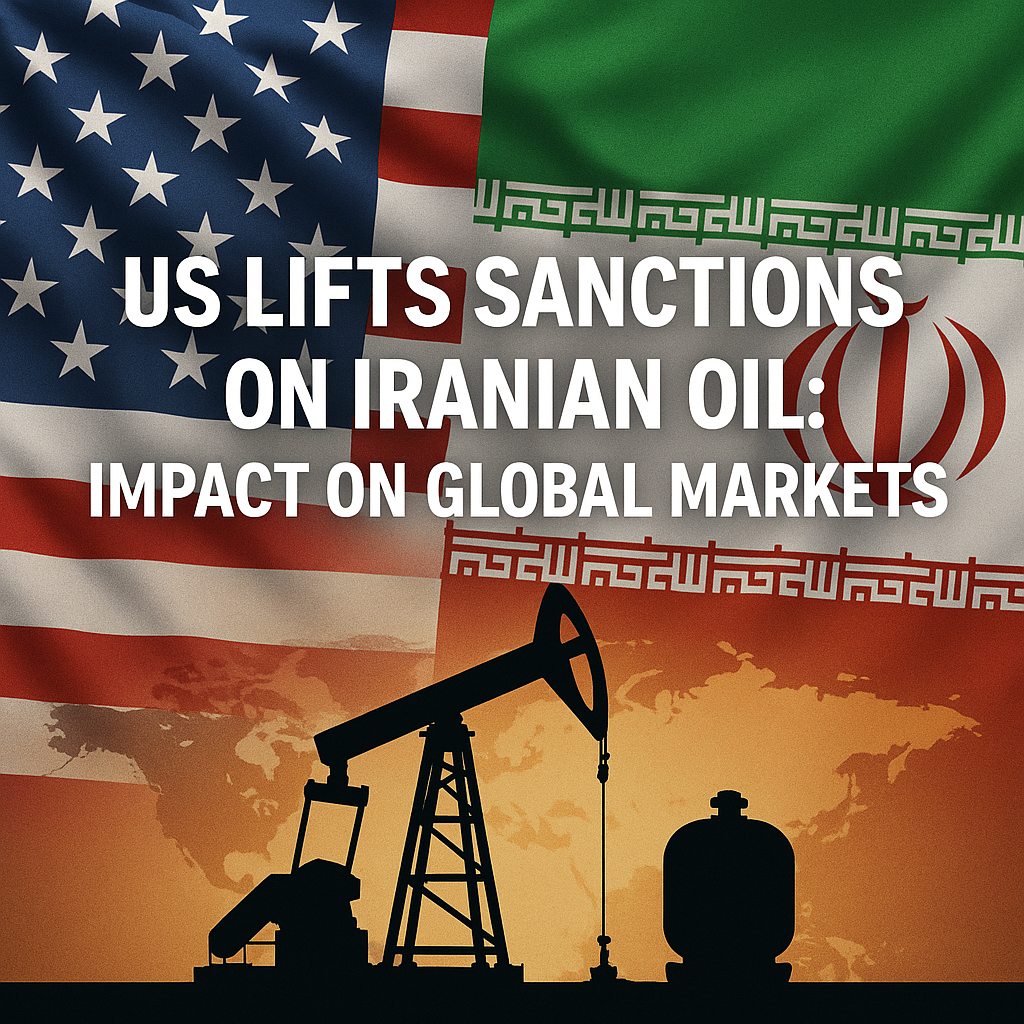
US Lifts Sanctions on Iranian Oil: Impact on Global Markets
The recent decision by the United States to lift sanctions on Iranian oil marks a significant shift in geopolitical dynamics and its ramifications for global markets. This bold move raises essential questions about supply chains, pricing structures, and the balance of power in oil-producing regions.

Overview of Sanctions Lifting
The lifting of sanctions on Iranian oil comes after years of stringent measures that were initially intended to curb Iran’s nuclear ambitions. According to reports from Al Jazeera, the U.S. government’s reassessment appears linked to ongoing negotiations regarding the Joint Comprehensive Plan of Action (JCPOA) and a broader strategy to stabilize global oil prices amidst rising inflation and geopolitical tensions.


Advocates of the sanctions removal argue that reintegrating Iranian oil into the global market could lead to increased supply, potentially lowering fuel prices for consumers worldwide. Some estimates suggest that Iran could supply an additional one million barrels per day, which would significantly ease the current energy crisis spurred by events such as the Russian invasion of Ukraine and ongoing disruptions in other oil-rich regions.


Perspectives on Economic Implications
From an economic standpoint, the re-entry of Iranian oil could have multifaceted effects. On one hand, countries like India and China, which have been covertly importing Iranian oil, may ramp up their purchases, driven by lower prices. On the other hand, oil-exporting nations within OPEC may face pressure to adjust their production levels to maintain stable prices. The potential oversaturation of the market could dampen revenue for existing suppliers, leading to a recalibration of their strategies.
However, not all stakeholders agree on the benefits. Critics caution that while lifting sanctions may bring short-term price relief, it risks emboldening Iranian regional ambitions, potentially destabilizing Middle Eastern geopolitics. Reports from RT have highlighted concerns among U.S. lawmakers about the implications of increased revenue flowing to the Iranian government, which they argue could reinforce Tehran’s military and paramilitary operations throughout the region.
Key Takeaways for Oil Markets
1. Market Dynamics: Analysts predict that the return of Iranian oil could shift market expectations, particularly regarding OPEC’s response. The organization might need to consider coordinated production adjustments to prevent a price drop.
2. Geopolitical Stability: The broader geopolitical landscape remains uncertain. While increased oil supply might benefit consumers, it could also provoke diplomatic backlash in regions where Iranian influence is viewed as a threat.
3. Consumer Impact: For consumers, the easing of prices at the pump is a tangible benefit of the increased supply. However, the long-term impacts on geopolitical stability may outweigh short-term economic advantages.
4. Environmental Considerations: With the focus predominantly on fossil fuels, the global push towards renewable energy may take a backseat as countries prioritize economic recovery and energy accessibility driven by traditional oil sources.
In summary, the U.S. lifting sanctions on Iranian oil represents a complex interplay of economic and geopolitical factors. While immediate benefits may be felt in oil prices and supply chains, the longer-lasting implications on regional stability and strategic military balances must be carefully weighed. As the global market reacts to this development, stakeholders will be watching closely to determine how it shapes the landscape for oil and its significant role in international relations.