US Plans to Send Frozen Iranian Assets to Gulf Allies

The U.S. Plans to Send Frozen Iranian Assets to Gulf Allies
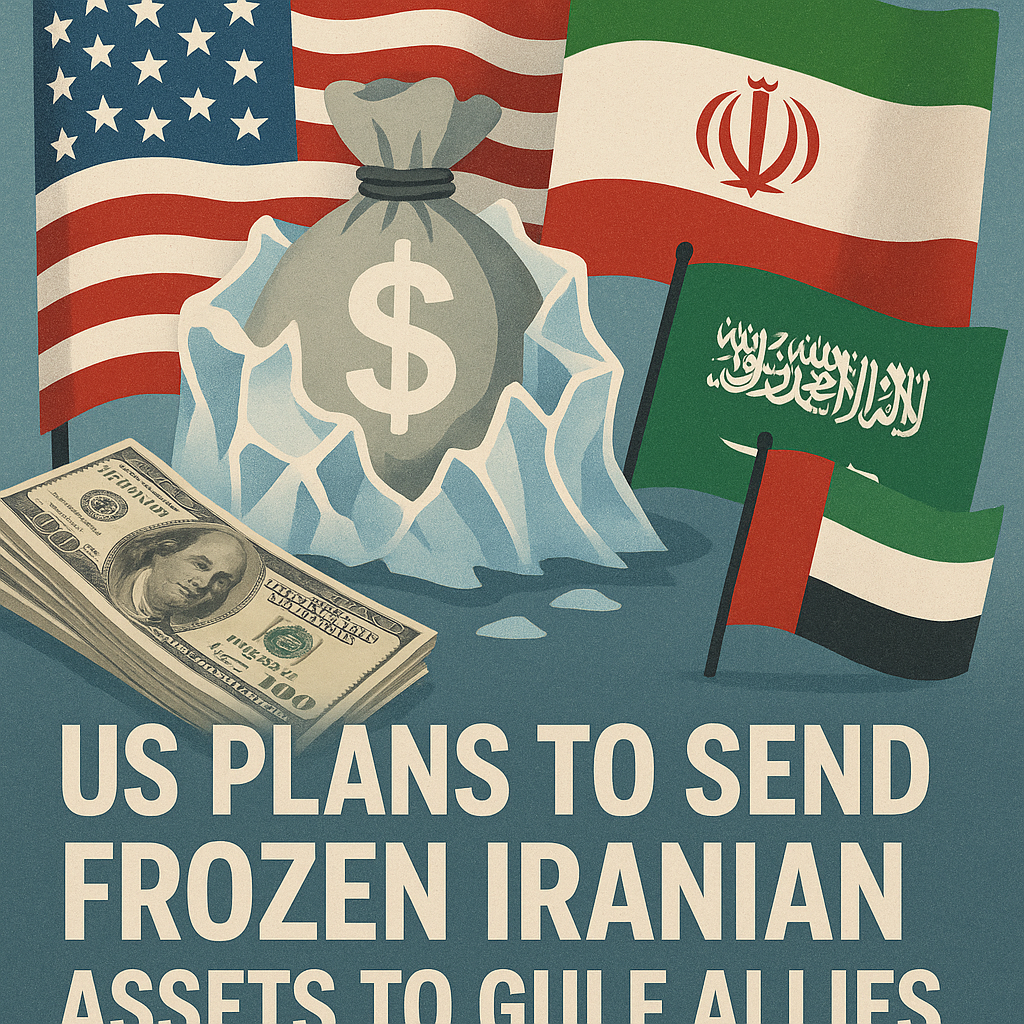
The United States has recently taken steps to transfer frozen Iranian assets to its Gulf allies, a move that carries significant geopolitical implications and raises numerous questions about international relations and economic strategies. As tensions with Iran continue to simmer, this decision reflects a broader commitment to strengthening alliances in the region while potentially undermining diplomatic efforts.

Context of Frozen Assets
The conversation around Iranian assets is not new. For decades, various international sanctions have led to billions of dollars in Iranian funds being frozen abroad, primarily in jurisdictions like South Korea and the United States. These assets are typically tied to Iran’s nuclear program and its regional activities, which many nations view as destabilizing.


In recent developments, U.S. Treasury officials revealed plans to release a portion of these frozen funds — estimated to be around $7 billion — to Gulf states such as Qatar. According to reports from multiple news sources, including RT, this maneuver is intended to mitigate the economic impact of rising energy prices while simultaneously reinforcing U.S. alliances in the Middle East amid ongoing talks regarding Iran’s nuclear program and its involvement in regional conflicts.


Multiple Perspectives on the Issue
Opinions on this move are diverse and reflect deep-seated political sentiments.
1. Supporters of the Transfer argue that releasing these funds could serve multiple purposes. Firstly, it may help stabilize the Gulf economies, which have seen fluctuations due to global energy market trends exacerbated by geopolitical tensions. Supporters suggest that such actions can reinforce strategic alliances at a time when the U.S. is eager to counterbalance Iranian influence in the region.
2. Critics, on the other hand, express significant concerns about the implications of this transfer. Many fear that sending these assets to Gulf allies could embolden them to adopt more aggressive stances towards Iran. Furthermore, critics argue that serving short-term economic interests through these funds could exacerbate long-term geopolitical tensions in the Middle East. Some analysts warn that this approach may undermine trust in U.S. negotiations regarding Iran’s nuclear ambitions, as it signals a preference for financial support over genuine diplomatic reconciliation.
The split perspectives underline a critical tension in U.S. foreign policy: the balancing act between fostering strong alliances and managing potentially volatile relationships with adversaries.
The Ripple Effects of Asset Transfers
The proposed asset transfers come at a time when energy security is paramount on the global stage. As Europe grapples with its energy crisis exacerbated by ongoing geopolitical conflicts, particularly involving Russia, the Gulf states are positioning themselves as key energy suppliers. The U.S. may view the release of Iranian funds as a means to reinforce energy supply in these allied nations, which are poised to play a central role in stabilizing global markets.
However, the implications extend beyond mere economics. Analysts observe that such a policy could complicate U.S.-Iran relations further, particularly when diplomatic talks are already fraught. By taking steps that could be interpreted as unilateral economic blessings to rival states, the U.S. risks alienating Tehran at a time when dialogue is desperately needed.
Moreover, the concept of using frozen assets as a political tool raises ethical concerns as well. The issue of national sovereignty comes into play — should a nation’s assets be used to influence political dynamics in another region? Critics argue that while securing alliances is vital, doing so at the expense of moral responsibility may backfire and lead to long-term instability.
Conclusion: Navigating Complex Geopolitical Waters
The decision to send frozen Iranian assets to Gulf allies underscores a complex interplay of economic strategy and geopolitical maneuvering. While the U.S. aims to bolster coalitions that can counterbalance Iranian influence, the risks of inflaming regional tensions are considerable.
As the world watches the unfolding situation, the U.S. must tread carefully to maintain its stance in the Middle East while navigating the intricacies of alliances and enmities. Incremental steps in economic policy can have profound ramifications, and as history has shown, the outcomes of such strategies are rarely straightforward. The coming months will be critical in determining not only the fate of the Iranian assets but also the overall stability of the Gulf region and the broader international order.