Israel Gun Attack: Suspects Shot and Killed by Police

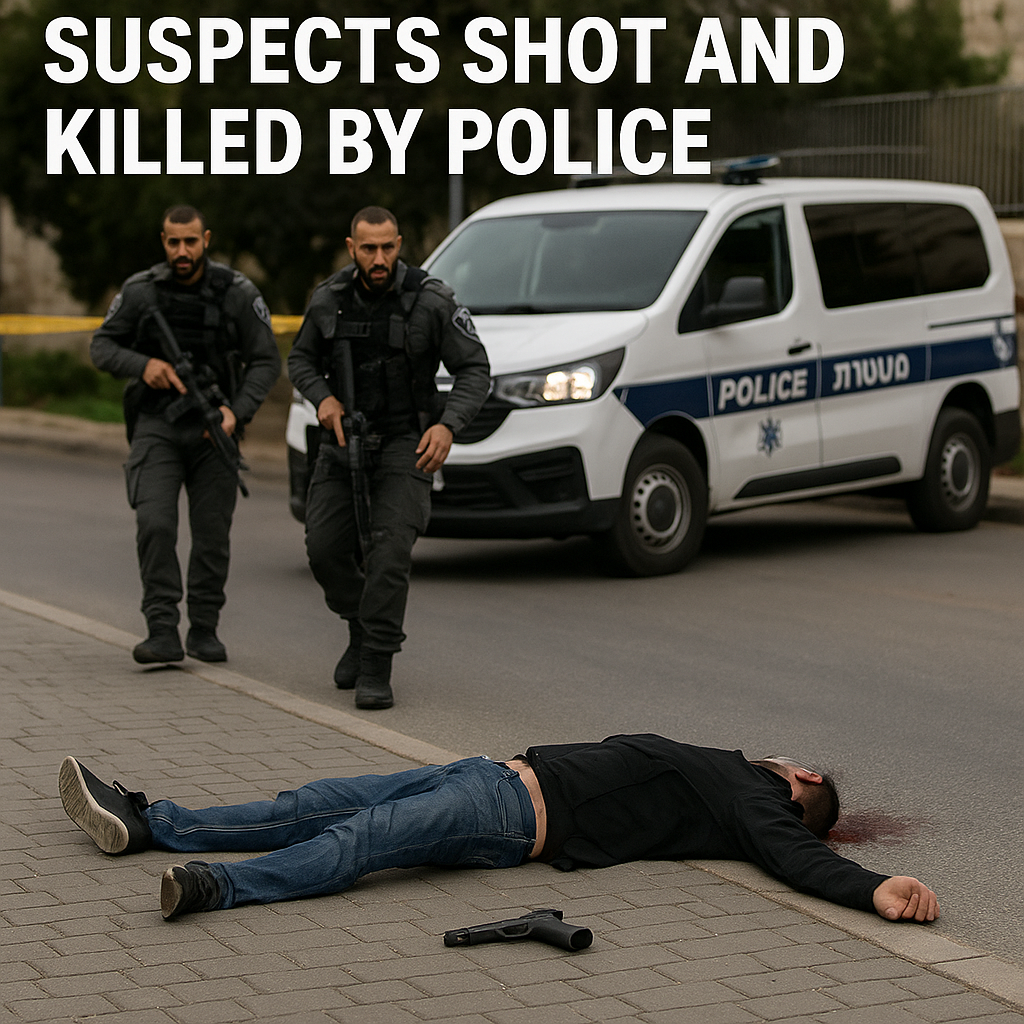
In recent developments, a gun attack in Israel has sparked significant concern and response from law enforcement agencies. This incident, which unfolded in a bustling urban area, has led to the swift action of police forces who shot and killed the suspects involved. The event not only raises questions about public safety but also illuminates the broader context of violence in the region.

Understanding the Context of Gun Violence in Israel
Gun violence in Israel has become a contentious issue, with rising tensions often spilling over into violent confrontations. As reported by various sources, this latest gun attack occurred amidst a backdrop of increasing crime rates and public concern over law enforcement’s ability to manage security effectively.


According to Al Jazeera, the police reported that the suspects opened fire indiscriminately in a crowded area, leading to a swift and deadly response from officers on the scene. The rapid intervention by police has been both praised for its decisiveness and criticized for potential overreach.


Public sentiment around this incident is divided. Some locate the blame squarely on the suspects and applaud law enforcement’s quick action. Others express concerns that such violence could lead to heightened police presence and potentially indiscriminate action against the citizens, further escalating fears rather than assuaging them.
Perspectives on Law Enforcement’s Response
The responses to police action in this incident have been varied. On social media and in opinion pieces across publications, arguments have been made highlighting both the necessity and the dangers of immediate force in public safety scenarios. On one side, supporters argue that preventing further harm is paramount in chaotic situations where lives are at stake. They contend that immediate action can save lives, as seen in this incident.
Conversely, critics emphasize the importance of restraint and careful assessment before the use of lethal force. An article from RT points out that such incidents could erode trust between the public and law enforcement if citizens feel they cannot safely coexist with police forces that act without accountability. This perspective urges a thorough examination of police protocols and training to better prepare them for non-lethal interventions.
Broader Implications of Security and Violence
This gun attack adds to the ongoing debate surrounding the security framework within Israel. Some analysts suggest that deeper societal issues, such as socioeconomic disparities and political tensions, may underpin the increase in violent acts. The recurring cycle of violence has not only impacted individuals but also worsened the collective anxiety about public safety. The Sky News report discusses how communities feel increasingly exposed and vulnerable, prompting calls for renewed efforts to address the root causes of violence rather than solely focusing on reactive measures.
The discussion about gun control and public safety in Israel remains complex. While police forces feel the pressure to respond quickly to avoid casualties, the potential moral implications of such actions cannot be overlooked. Government officials have been urged to strive for a balance between swift action and the protection of civil rights, ensuring that responses to threats do not infringe upon public trust or civil liberties.
Ultimately, the recent gun attack and subsequent police response underscore the complexity of maintaining security in a tense environment. Citizens and officials alike are left grappling with questions about the efficacy and morality of law enforcement actions in high-stress situations.
Conclusion: Reflecting on Security and Society
The aftermath of this incident calls for a careful and nuanced examination of both police practices and the societal factors that contribute to violence. As the investigation into the gun attack progresses, ongoing dialogue about law enforcement, community safety, and individual rights will be essential.
Finding common ground will require effort from all stakeholders, including policymakers, law enforcement, and community members. In seeking solutions, the aim must be to foster an environment where security does not come at the expense of human rights and public trust, emphasizing a collective responsibility toward a safer future.