Iran Condemns Trump’s Vulgarity Amid Escalating Tensions

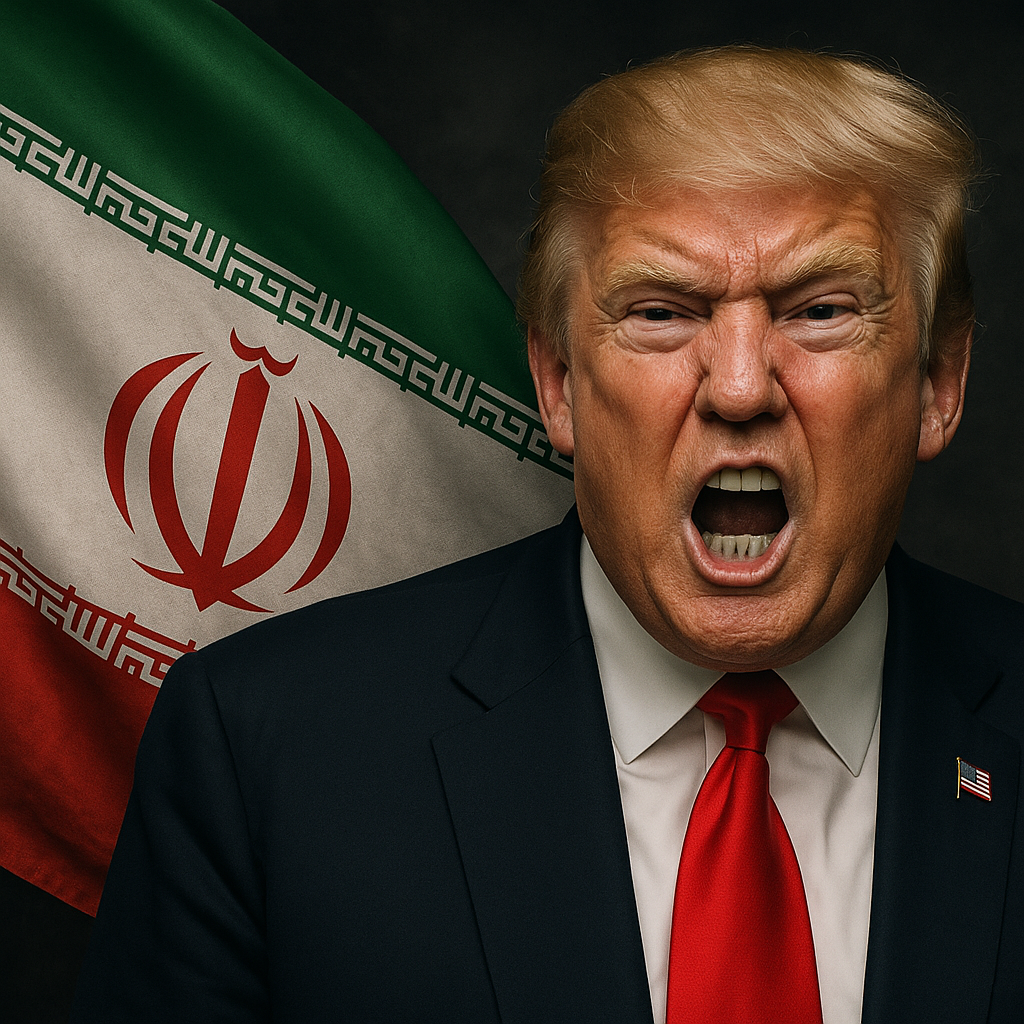
In recent weeks, escalating tensions between Iran and the United States have intensified, particularly following controversial statements made by former President Donald Trump. Iran has publicly condemned Trump’s use of what they describe as vulgar language, ushering in renewed scrutiny of the already fraught relationship between the two nations.

Iran’s Response to Trump’s Remarks
Iranian officials have characterized Trump’s rhetoric as inflammatory, arguing that his comments only serve to exacerbate existing tensions. In response to Trump’s derogatory statements, Iran’s Foreign Ministry issued a statement rejecting any engagement grounded in disrespectful language. This response highlights Iran’s sensitivity to diplomatic decorum, especially in light of historical conflicts that have shaped their foreign policy.


Key Points from Iran’s Reaction:
– Condemnation of Vulgarity: Iranian leaders stress the need for respectful discourse amid diplomatic negotiations.
– Diplomatic Stance: Iran continues to advocate for discussions rooted in mutual respect, underscoring their disapproval of Trump’s choice of words.
– Historical Context: The legacy of past American foreign policy has led Iran to be particularly defensive against perceived slights.


Contrarily, experts argue that Trump’s brash style has been a hallmark of his political persona, leading to polarized perceptions both domestically and internationally. While some in the U.S. see his statements as a means to galvanize support, for Iranian officials, the use of such language signals a lack of seriousness in diplomatic efforts.
The Broader Impact of the Fallout
The tensions accentuated by Trump’s statements come amidst a precarious geopolitical landscape where Iran’s nuclear ambitions are under scrutiny, particularly from Western governments. The crux of the issue lies not just in Trump’s comments but in what they may signify for U.S.-Iran relations moving forward. Trump’s approach takes a more aggressive stance compared to prior administrations which often sought to foster dialogue, particularly surrounding the Joint Comprehensive Plan of Action (JCPOA).
Expert Opinions on U.S.-Iran Relations:
– Polarization in Strategy: While the U.S. has historically oscillated between aggressive and diplomatic posturing towards Iran, Trump’s approach has leaned heavily toward confrontation.
– Potential for Escalation: Some analysts caution that inflammatory language can lead to misinterpretation and increased military tensions in an already volatile region.
This complex dynamic becomes even more pertinent as both nations navigate their internal and external pressures. As Trump continues to wield influence among certain segments of the American electorate, his rhetoric may shape not just public perception, but also diplomatic strategies.
The Path Forward: Striving for Diplomacy
Looking ahead, the pathway to de-escalation remains fraught with challenges. Both Iranian officials and U.S. policymakers will need to address the deep-seated mistrust that characterizes their interactions. Establishing dialogue could necessitate not just a change in language but also in policy approaches that consider the interests of both nations.
Possibilities for Diplomatic Engagement:
– Revisiting the JCPOA: Future discussions could focus on restoring the nuclear deal with an emphasis on mutual concessions.
– Building Trust: Establishing communication channels that prioritize honest dialogue and respect may be crucial in lessening tensions.
As situations evolve, the significance of tone and rhetoric cannot be understated. Ultimately, for any meaningful progress to occur between Iran and the U.S., there must be a concerted effort from both sides to prioritize diplomacy over hostility. The recent events surrounding Trump’s remarks serve as a stark reminder that in the realm of international relations, the stakes are high, and words carry weight far beyond their immediate context.