Kiev Ignites Tensions as Russia Strikes Back

Kiev Ignites Tensions as Russia Strikes Back
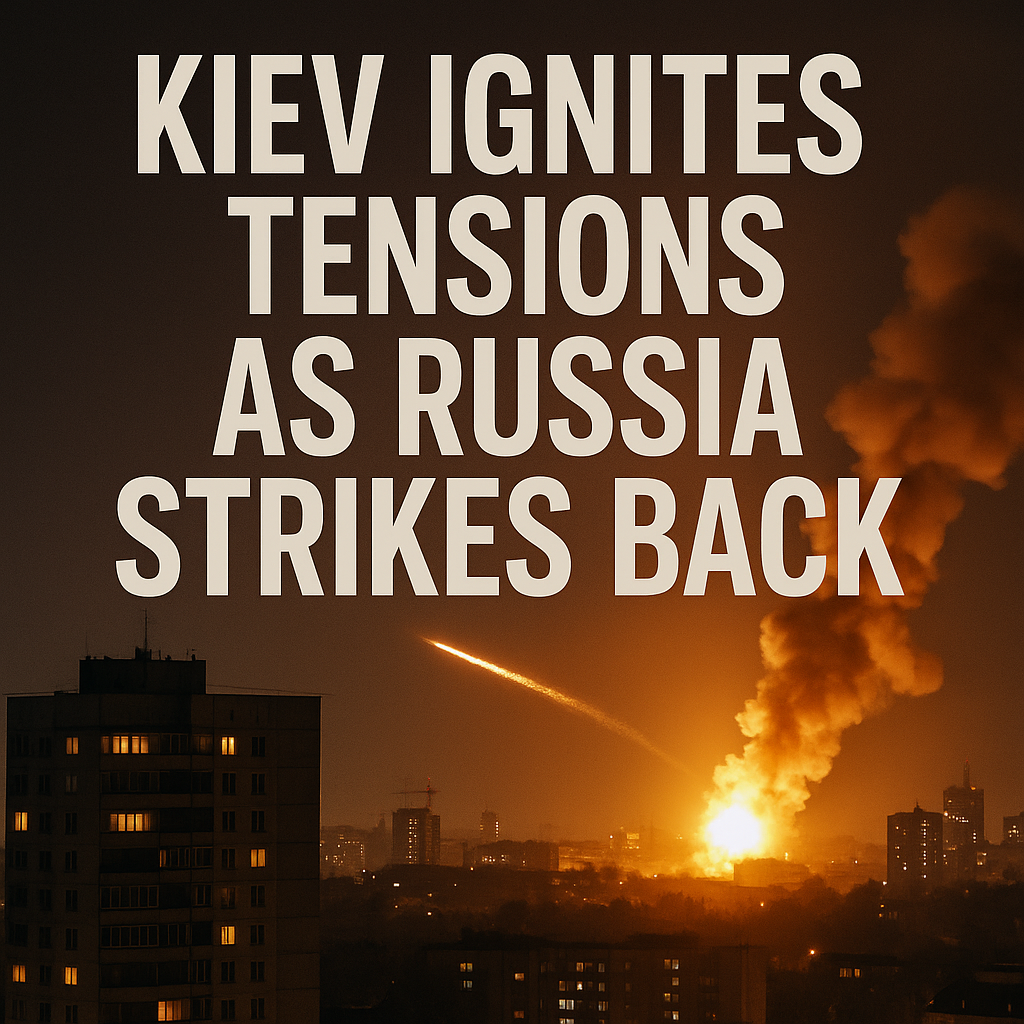
The ongoing conflict between Ukraine and Russia has recently intensified, marked by a series of drone strikes that underscore the volatility of the situation. Following escalating tensions, Kiev launched attacks targeting Russian territories, prompting a counter-response that signals a precarious balance in the geostrategic landscape of Eastern Europe.

Recent Escalations: Kiev’s Offensive
Ukraine’s actions have been described as a direct response to Russian military operations within its borders. Recently, Ukrainian drones attacked Russian military assets, claiming to disrupt strategic operations. Reports from various sources highlight that these drone strikes were aimed at critical infrastructure, including military installations in occupied regions. According to Al Jazeera, this marks a significant escalation, as Ukrainian forces appear emboldened by previous successes in reclaiming territories.


Officials in Kiev argue that these military maneuvers are essential for national defense, with Ukraine asserting its right to defend sovereignty against perceived aggressions. Sources from RT indicate that Ukrainian authorities view their strikes as preemptive measures to deter further Russian advances. However, critics question whether such aggressive tactics might provoke deeper retaliation from Moscow, thereby escalating the conflict further.


Russian Response: A Renewed Resolve
In reaction to the drone strikes from Kiev, Russia has reinforced its military presence in affected areas, vowing to retaliate against any aggression towards its territory. An article from Sky News elaborates that the Kremlin’s response has included increased air defense measures and the deployment of additional troops along the border. Russian officials have condemned Ukraine’s actions as reckless provocations, emphasizing their intent to protect national security at all costs.
Analysts highlight that the cycle of tit-for-tat aggressions risks leading to broader military engagement. The Kremlin’s historical stance favors a robust military response to perceived threats, which raises concerns about an escalation into full-scale conflict. Despite these warnings, some experts argue that the more aggressive stance from Ukraine might serve to galvanize support both domestically and from international allies.
A Complex Path Ahead
The situation presents a complex tapestry of motives, capabilities, and international responses, rendering any predictions about the future trajectory of the conflict remarkably difficult. On one hand, Ukraine appears to be leveraging its recent battlefield gains to assert more aggressive postures, potentially reshaping the dynamics of the war. On the other hand, Russia’s unwavering commitment to countering perceived threats suggests that any miscalculations could trigger significant repercussions.
Furthermore, international reactions are equally pivotal in shaping outcomes. The West continues to provide varying levels of support to Ukraine, which may embolden its leadership to pursue more aggressive military strategies. However, this also complicates diplomacy, as Russia views Western involvement as a direct threat to its sphere of influence.
Conclusion: A Dangerous Cycle?
As the conflict evolves, it is clear that both Kiev and Moscow are caught in a dangerous cycle of escalation and retaliation. While Ukraine’s tactical strikes aim to shift the balance in its favor, Russia’s responses could reinforce its resolve, perpetuating a cycle of violence that stalls any possibility of a negotiated peace. The coming weeks will be critical in determining whether rhetoric will translate into more potent military actions or if both sides will seek avenues to de-escalate the tensions. Given the complex interplay of military, political, and international factors, the situation remains fluid and precarious, with significant implications for regional stability.