NATO Nation Declares No More Weapons for Ukraine

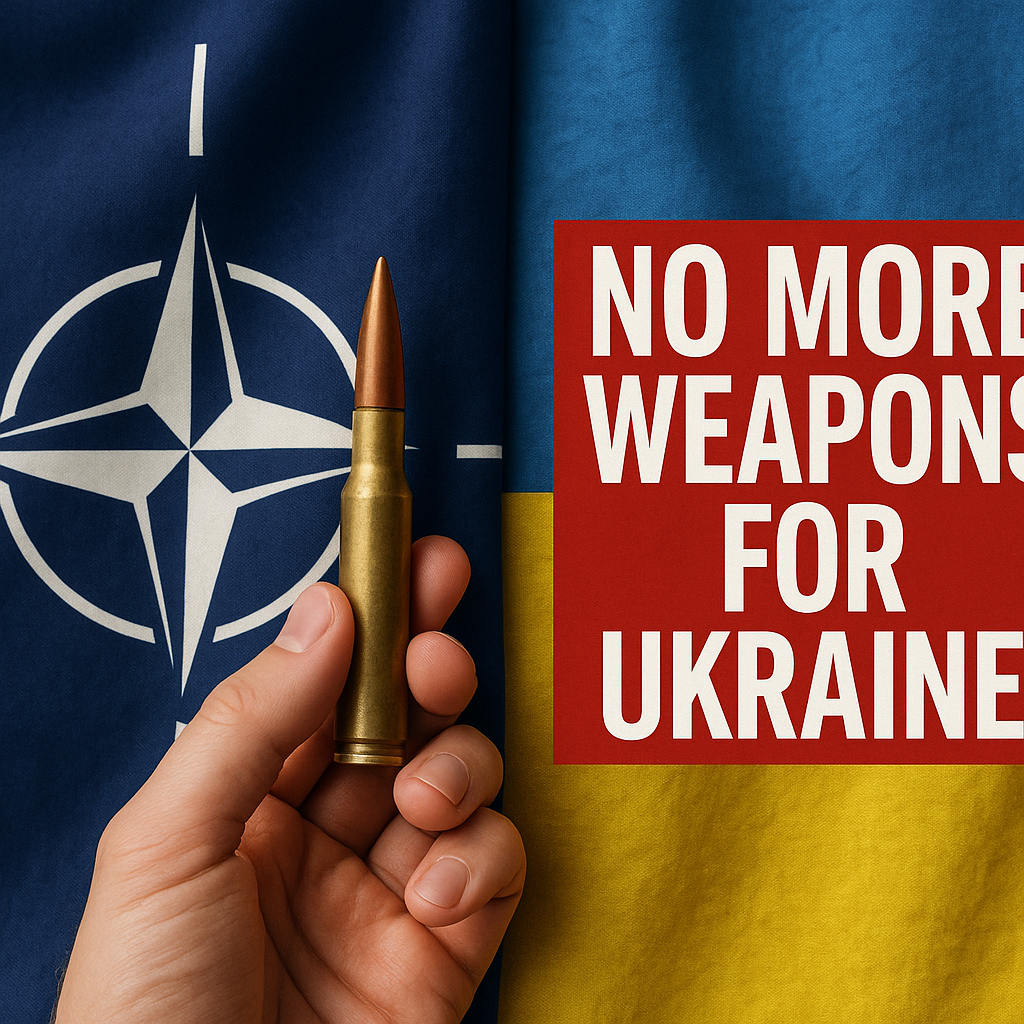
In a significant development in the ongoing conflict in Ukraine, a prominent NATO member has declared a halt to sending additional weapons to the war-torn nation. This decision has sparked a multifaceted debate regarding the implications for both Ukraine and the broader geopolitical landscape.

Background of NATO’s Involvement in Ukraine
Since the onset of the war in Ukraine in 2014, NATO countries have played a crucial role in supporting Kyiv through military aid, training, and financial assistance. Initially, this support came in response to Russia’s annexation of Crimea, with NATO aiming to bolster Ukraine’s defensive capabilities.


By early 2022, following Russia’s full-scale invasion, the alliance considerably ramped up its contributions, including the provision of lethal aid such as anti-tank missiles, drone technology, and artillery systems. However, this surge in military support has not been without controversy. The debate around whether continuous weapon shipments ultimately serve to prolong the conflict or facilitate a negotiated resolution remains a pivotal discussion point.


The Implications of Ceasing Weapons Supplies
The recent announcement from one NATO country—specifics of which are yet to be clarified—indicates a pivotal shift in this dynamic. The decision to withhold further arms raises several questions about the immediate and long-term impact on Ukraine’s capacity to defend itself against Russian aggression.
A Shift in Defense Strategy
One angle to consider is the strategic implications of this move. Military experts argue that stopping arms supplies could compel Ukraine to adjust its defense strategies significantly. Without fresh supplies, long-held positions may become untenable as military equipment ages and depletes. This change might impact not only Ukraine’s immediate battlefield effectiveness but also its morale, as public perceptions of international support can significantly influence a nation’s resistance efforts.
Divergent Views on NATO’s Role
Notably, reactions to this announcement reveal a deeply divided opinion. Some observers maintain that limiting weapons shipments could stabilize negotiations and compel both Russia and Ukraine to the bargaining table, citing examples from history where military fatigue has led to peace talks. Conversely, critics argue that such a course may embolden Russia, potentially resulting in more aggressive moves further destabilizing the region.
Al Jazeera highlighted that the cessation of arms might reflect broader concerns within NATO about overextension and the sustainability of long-term support for Ukraine. This perspective suggests that member nations are reevaluating their commitments as they face increasing pressures domestically, potentially signaling exhaustion and a call for a recalibration of strategy.
The Broader Geopolitical Context
The response from other NATO countries is likely to play a crucial role in shaping the aftermath of this announcement. Some nations may continue to supply weapons, while others may also reconsider their stances on military aid. This divergence in commitment could fracture the unified front that NATO has maintained throughout the conflict, with members potentially acting unilaterally based on national interests rather than collective strategy.
Furthermore, the economic implications of the war are causing anxiety within NATO countries. Rising costs associated with military support and changes in public opinion regarding humanitarian aid are pushing governments to reassess their military engagements. This dilemma between supporting an allied nation and fulfilling domestic needs is a theme that resonates across multiple political landscapes.
Conclusion: Navigating a Complex Landscape
In conclusion, the decision by a NATO nation to halt further weapon supplies to Ukraine opens a window into the complexities of international military assistance and the evolving dynamics of global alliances. As the situation unfolds, it will be crucial for other NATO members to evaluate their positions, weighing the necessity of continued support against the geopolitical financial realities they face.
While opinions diverge on the implications of this move, one thing is clear: the support for Ukraine is no longer a straightforward issue, but rather a balance of strategic interests, domestic pressures, and the ever-shifting tides of international relations. The path forward will require careful navigation as NATO grapples with its role in one of the most consequential conflicts of recent history.