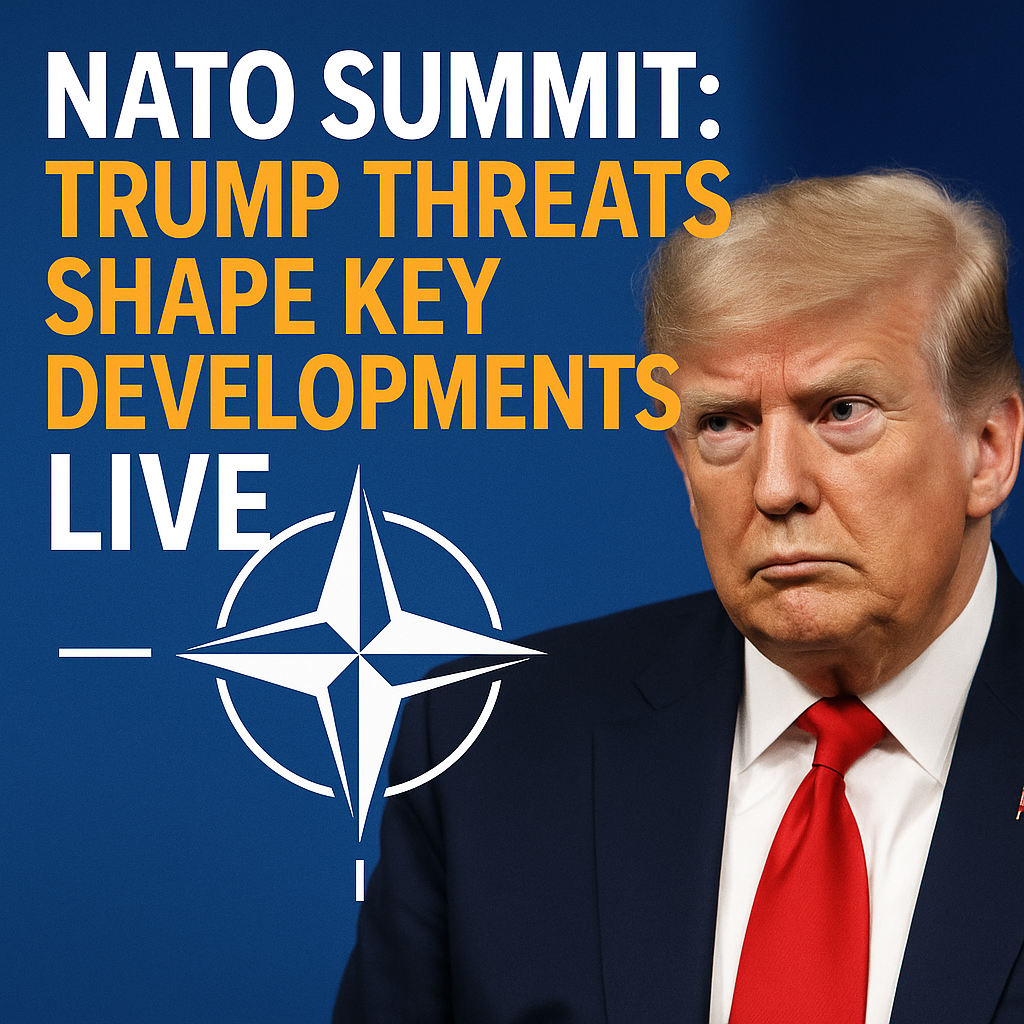
NATO Summit: Trump Threats Shape Key Developments Live

NATO Summit: Trump’s Influence on Key Developments
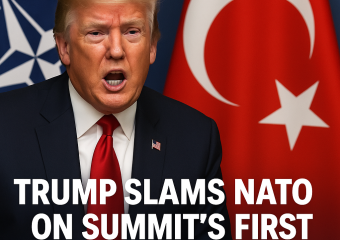
The ongoing NATO summit has been shaped significantly by the rhetoric and postures of former U.S. President Donald Trump, illustrating a complex interplay of global diplomacy and national interests. As leaders from various member states gather, discussions are heavily influenced by Trump’s past criticisms and the current implications of his foreign policy stance.

The Atmosphere of Uncertainty
Trump’s approach to NATO during his presidency was contentious, characterized by the demand for increased defense spending from member countries and a questioning of the alliance’s collective defense principle. His return to the political spotlight has led to heightened scrutiny on NATO’s future direction and cohesion.


The summit has been a platform for leaders to reaffirm their commitment to NATO’s founding principles while navigating the undercurrents of Trump’s criticisms. Several leaders, including those from Eastern Europe, have expressed concerns that Trump’s ‘America First’ policy may resurface in the upcoming elections, potentially undermining the strength of the alliance.


– Increased Defense Spending: Many member nations are now reconsidering their defense budgets, particularly in light of Russia’s ongoing activities. Trump’s insistence on increased military expenditure remains a point of contention, with some allies arguing it has been a wake-up call to bolster military readiness.
– Collective Defense Principle: The principle of collective defense under Article 5 has also come under the microscope. While NATO has vowed to uphold this commitment, the uncertainty around U.S. leadership in the alliance has produced divided opinions on its robustness going forward.
Varied Global Perspectives
Several viewpoints emerged during the summit, reflecting the nuanced nature of NATO dynamics. On one hand, supporters argue for unity in the face of common threats, especially from Russia and the more recent instability in Eastern Europe. Conversely, some leaders point to the need for a more flexible alliance that considers the evolving geopolitical landscape.
For instance, leaders from Baltic states have emphasized the immediacy of threats from Russia, advocating for a more decisive military posture. In contrast, representatives from Western European countries have focused on diplomatic resolutions, arguing that confrontation might exacerbate tensions further.
– Pro-Russia Sentiment: In some quarters, there’s a growing belief that NATO’s stance may provoke Russia rather than deter it. This perspective advocates for dialogue, highlighting the need for a balanced approach rather than a unilateral escalation of military presence.
– Support for a Renewed NATO: Other nations stress the necessity for a reinforced NATO that adapts to contemporary challenges such as cybersecurity threats and global terrorism. Discussions around enhancing collective cybersecurity measures were particularly prominent, signaling a shift towards newer domains of warfare.
Looking Forward
As the summit progresses, the implications of Trump’s past influence loom large. Although he is not in office, his legacy continues to shape debates surrounding NATO’s future. The reactions to his previous administration’s policies illustrate the friction and diverse strategies that member states are willing to embrace in response to evolving threats.
In conclusion, the NATO summit serves as a melting pot of perspectives aiming to balance tradition with necessity. The discussions reflect a commitment to the alliance while simultaneously addressing the fears and uncertainties stemming from the shifts in U.S. foreign policy. It remains to be seen how these debates will shape the future of NATO, especially with the prospect of future leadership in the U.S. that might either reaffirm or radically shift these longstanding partnerships.