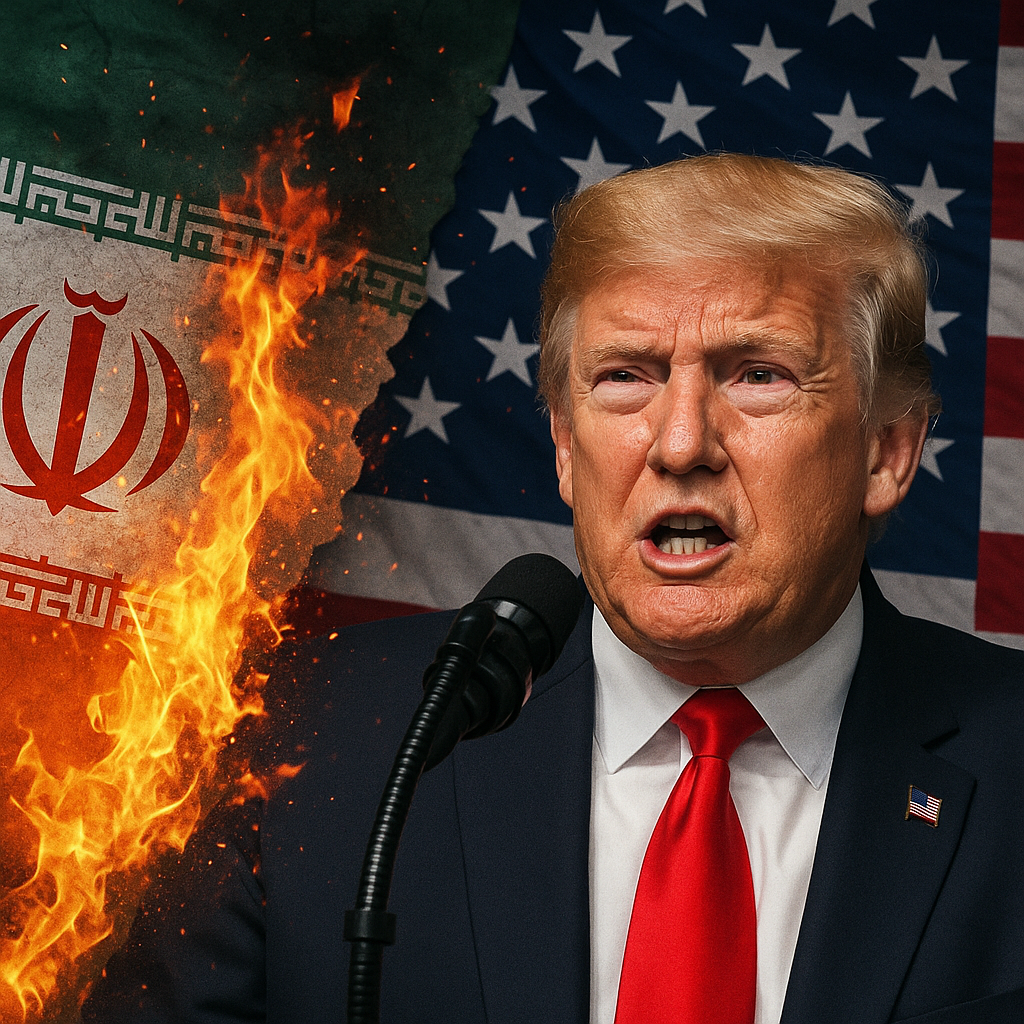
Trump Threatens to Seize Iranian Assets Amid Tensions
Rising Tensions: Trump’s Threat to Seize Iranian Assets
Former President Donald Trump recently reignited discussions around U.S.-Iran relations by suggesting the potential seizure of Iranian assets. This remark comes amid escalating tensions between the two nations, which have been strained for decades but have flared up particularly in recent months.

The Context of the Threat
Trump’s assertion stems from ongoing concerns regarding Iran’s nuclear ambitions and its involvement in regional conflicts. According to various reports, he has indicated that this aggressive stance could be a strategy to pressure Tehran into negotiating over its nuclear program and other activities deemed threatening by the U.S. administration.

Reports suggest that Trump’s comments were made during a rally, where he criticized the Biden administration for what he perceives to be a lack of strength in handling Iran. Trump’s advocates argue that his approach is necessary to bring Iran back to the negotiating table regarding its nuclear capabilities. As Trump puts it, “We should be able to seize back what they’ve taken from us.”

Nonetheless, the idea of seizing assets is fraught with legal and diplomatic complexities. Seizures could lead to significant international fallout, including retaliatory measures from Iran, potential conflicts with allies, and challenges under international law regarding property rights.
Diverse Perspectives on Asset Seizure
Different stakeholders weigh in on the implications of Trump’s threats. Proponents argue that such actions could strengthen America’s bargaining position. A recent op-ed from a senior political analyst noted, “Seizing Iranian assets would send a strong message that the U.S. will not tolerate state-sponsored terror or nuclear proliferation.” They highlight the necessity of using every tool at the nation’s disposal to address existential threats.
Conversely, critics warn that this approach may be counterproductive. Analysts from think tanks such as the Center for Strategic and International Studies (CSIS) warn that asset seizures may further entrench Iran’s adversarial stance and diminish diplomatic avenues. Professor Fatemeh Aman from the Atlantic Council commented, “Such threats could backfire, making dialogue nearly impossible as it feeds into the narrative that the U.S. is an aggressor.”
The Legal and Diplomatic Ramifications
The legal feasibility of seizing Iranian assets is another critical angle worth exploring. Various international laws govern the seizure of foreign assets, particularly those that reside in third-party countries. The U.S. State Department would likely face significant obstacles in such a move. Analysts emphasize that unilateral actions without broad international support could spiral into legal battles, and any seized assets would likely see challenges in international courts.
Additionally, relationships with allies are at stake. Countries like the United Kingdom, France, and Germany, which have been working to retain the Iran nuclear deal, might view such unilateral moves as destabilizing. The potential for an arms race or military conflict could escalate in response, reshaping the geopolitical landscape of the Middle East.
Opportunities for Dialogue
Despite the heightened tensions, occurrences of dialogue present a glimmer of hope. Backchannel communications have been reported, suggesting that both sides still seek a pathway to reduce hostilities. Some believe that Trump’s provocative remarks might be leveraged as a bargaining chip, aiming for greater concessions from Iran.
What remains clear is the complexity of extracting meaningful conclusions from this situation. Critics and supporters alike may not completely agree on the approach to handling Iran, but the nuances of international relations demand engagement more than ever.
Conclusion: A Delicate Balancing Act
Trump’s threat to seize Iranian assets reflects a broader narrative of American foreign policy that combines pressure with the need for diplomatic engagement. While it may serve immediate political purposes domestically, the longer-term consequences for U.S.-Iran relations can’t be underestimated. A focus on dialogue and multilateral agreements may provide a more sustainable solution, asserting that diplomacy, rather than unilateral threats, remains integral in navigating this fraught geopolitical landscape.