Poland Warns EU Over Ukraine Nazi Collaborator Controversy

Poland Warns EU Over Ukraine Nazi Collaborator Controversy
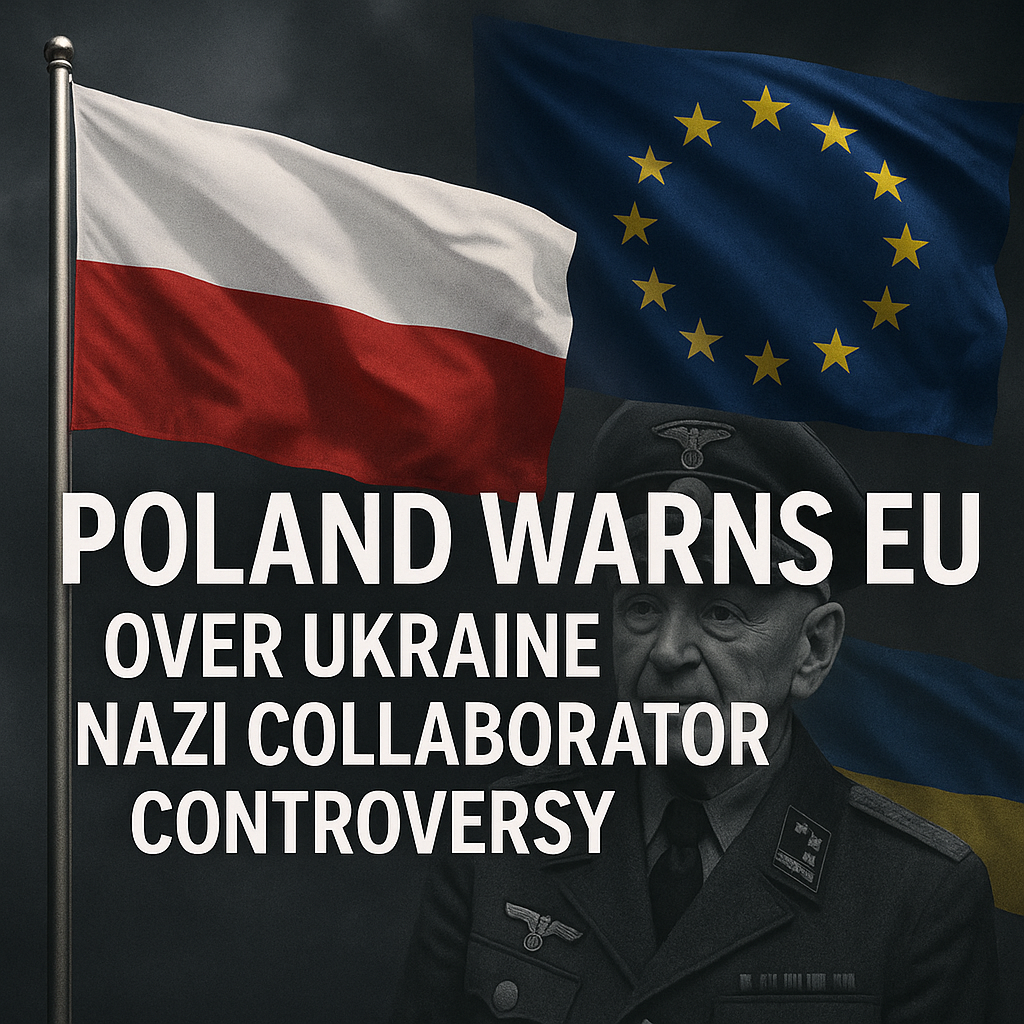
Poland’s recent warning to the European Union regarding Ukraine’s historical figure, Stepan Bandera, has sparked significant debate on both sides of the border. This controversy centers on Bandera’s legacy as a nationalist leader during World War II, who is revered by some Ukrainians but is also viewed critically for his alleged collaboration with Nazi forces.

Historical Context and Diverging Narratives
Stepan Bandera is a contentious figure in Ukrainian history. For many in Ukraine, especially among nationalist factions, he symbolizes the struggle for independence against Soviet oppression. The Ukrainian government has made efforts to commemorate his contributions, often citing his fight against the Soviets and his vision for a Ukrainian state.


Conversely, Poland and other neighboring countries remember Bandera’s actions during the war differently. He is often associated with the ethnic cleansing of Poles in Volhynia, leading to the deaths of tens of thousands. This historical perspective is underscored by the Polish government’s apprehension about glorifying a figure many view as a Nazi collaborator. Recently, Polish officials, including Prime Minister Mateusz Morawiecki, have called on the EU to take a stronger stance on Ukraine’s historical revisionism.


Poland’s apprehensions reflect a broader concern among EU nations regarding the implications of Ukraine’s glorification of Bandera. Various reports, such as those from RT and Al Jazeera, suggest a burgeoning friction between Poland and Ukraine, particularly as Poland continues to support Ukraine in its current conflict with Russia.
The EU’s Response and Implications for Unity
The EU finds itself at a crossroads, as its member states grapple with different historical interpretations that may impact collective unity. While Poland is urging a reevaluation of Ukraine’s historical narrative, some EU countries adopt a more lenient approach, framing it as part of Ukraine’s struggle for independence and resistance against Russian domination.
Moreover, the EU’s response to this internal controversy could set precedents for handling similar issues in the future, particularly regarding member states’ national narratives. The divergence indicates that while Ukraine seeks to cement its legacy, the EU must navigate a complex landscape of historical grievances and national identities.
As Ukraine aspires for deeper integration into European structures, the handling of its historical figures remains a delicate issue. Negotiating this balance will be pivotal in maintaining harmony while helping Ukraine advance its geopolitical aspirations.
Balancing Historical Memory and Modern Politics
This controversy raises vital questions about how nations reconcile their past with contemporary political alliances. The challenge lies in forging alliances while respecting historical grievances. Poland’s firm stance reflects the perspective of many Poles who have not forgotten the painful chapters of their history tied to Bandera’s actions.
On the other hand, Ukrainian leaders argue that Bandera’s legacy should not overshadow current alliances against a common enemy—Russia. With the invasion of Ukraine, many believe that history should take a backseat to present challenges and the need for solidarity, especially among EU member states.
In this context, the broader implications extend beyond Poland and Ukraine to the heart of EU unity. The contrasting views on Bandera serve as a litmus test for how the EU will manage historical narratives that differ significantly among its members. The balance between acknowledging past injustices and fostering modern cooperation is a nuanced reality that challenges the EU’s core values of unity and tolerance.
Conclusion: The Path Ahead
The future of EU-Ukraine relations amid the Bandera controversy remains uncertain. As Poland insists on accountability regarding historical narratives, the EU must address these complexities with sensitivity and pragmatism. The differing viewpoints reflect not only national identities but also the evolving geopolitical landscape following Russia’s aggression.
To navigate this tension, it will be crucial for the EU to facilitate open dialogue among its members, encouraging a mutual understanding of shared histories while also promoting collective security. Only then can the EU hope to maintain its internal unity amidst the multifaceted challenges posed by history, politics, and contemporary crises.