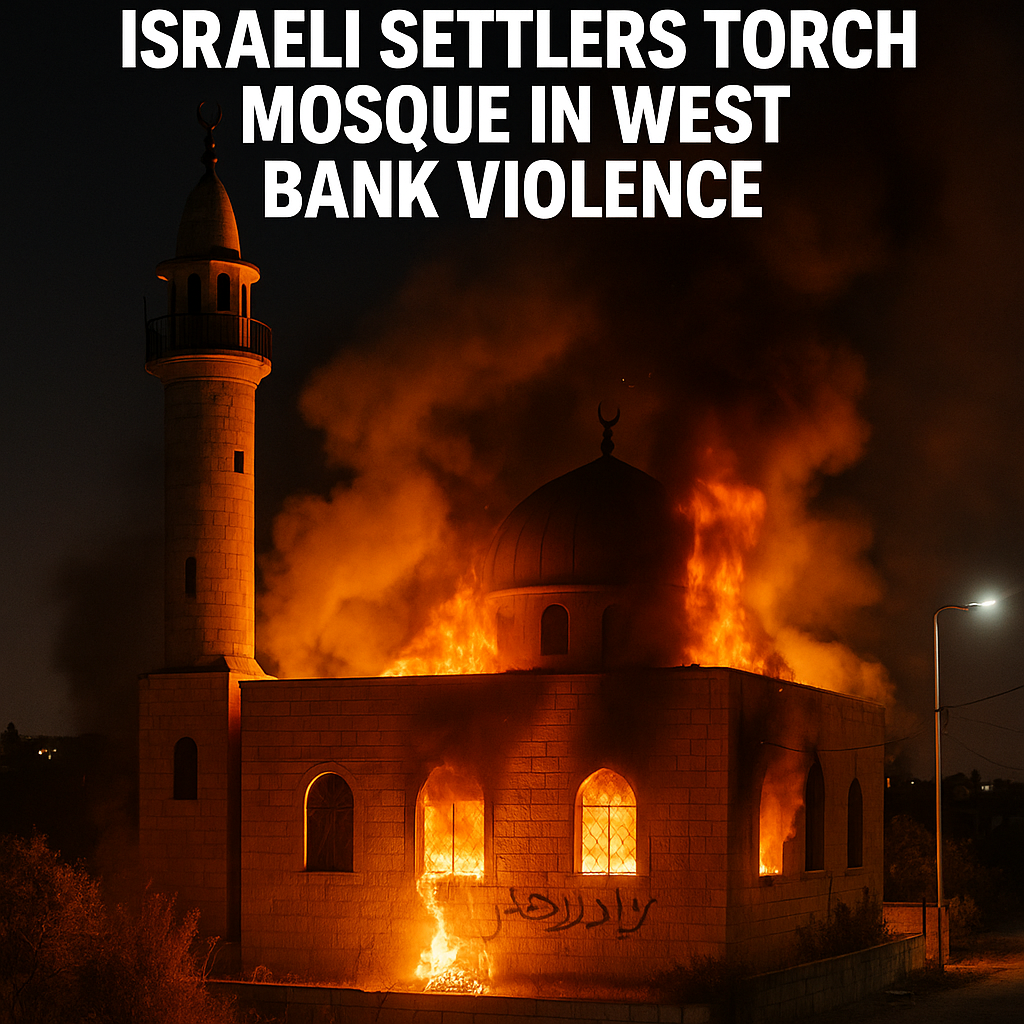
Rising tensions in the West Bank have taken a troubling turn as Israeli settlers set mosques ablaze, fueling the already heated conflict and raising urgent questions about accountability and peace in the region. As the cries for justice echo louder, the world watches closely—what will it take to bring lasting change?
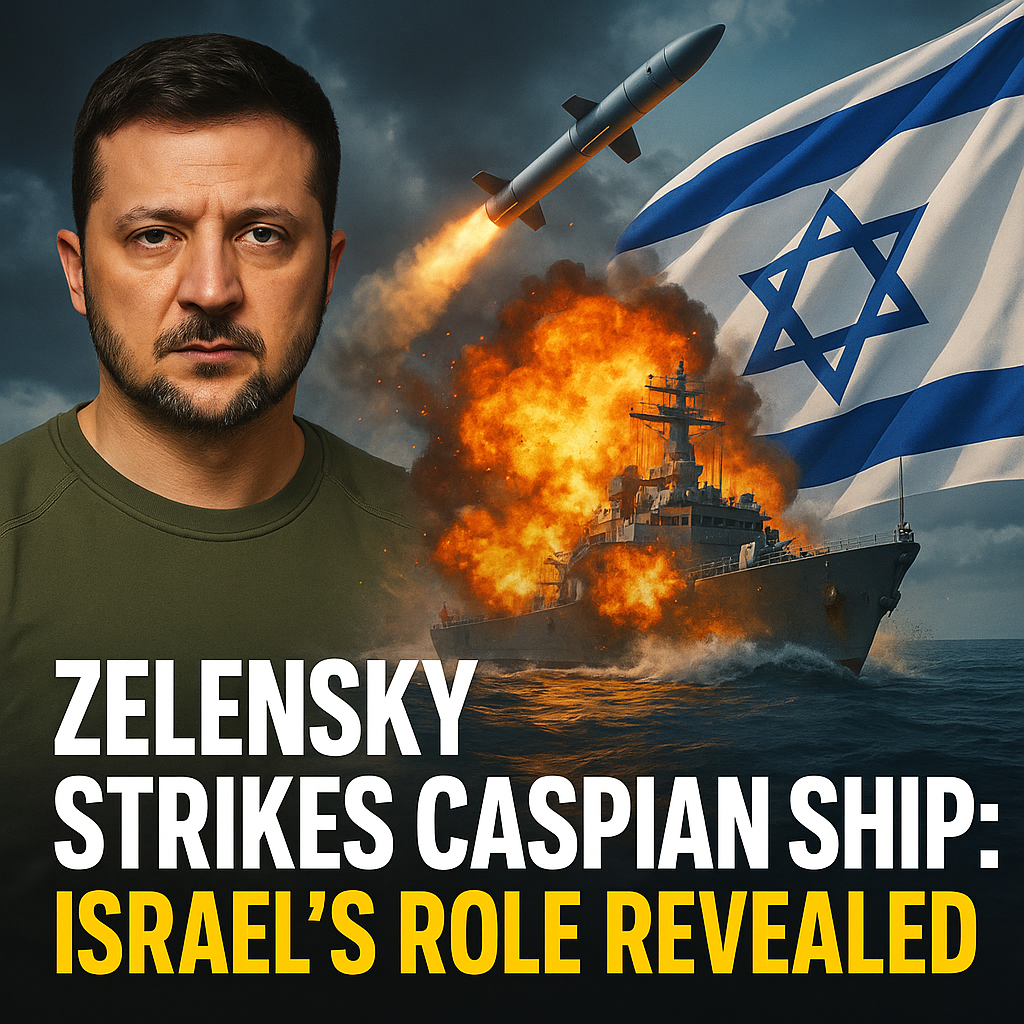
Ukrainian President Zelenskys daring drone strike on a Caspian ship linked to Iranian interests is sending shockwaves through international relations, raising eyebrows on Israels potential role in this high-stakes geopolitical chess game. Dive into the drama as the delicate balance of power in the region hangs in the balance!
In a surprising turn of events, the US and Iran have chosen to pause military strikes for a second day, sparking a hopeful conversation around potential dialogue and peace in the region. This temporary truce, though rooted in a complex history of tension, opens the door for fresh perspectives on conflict resolution.
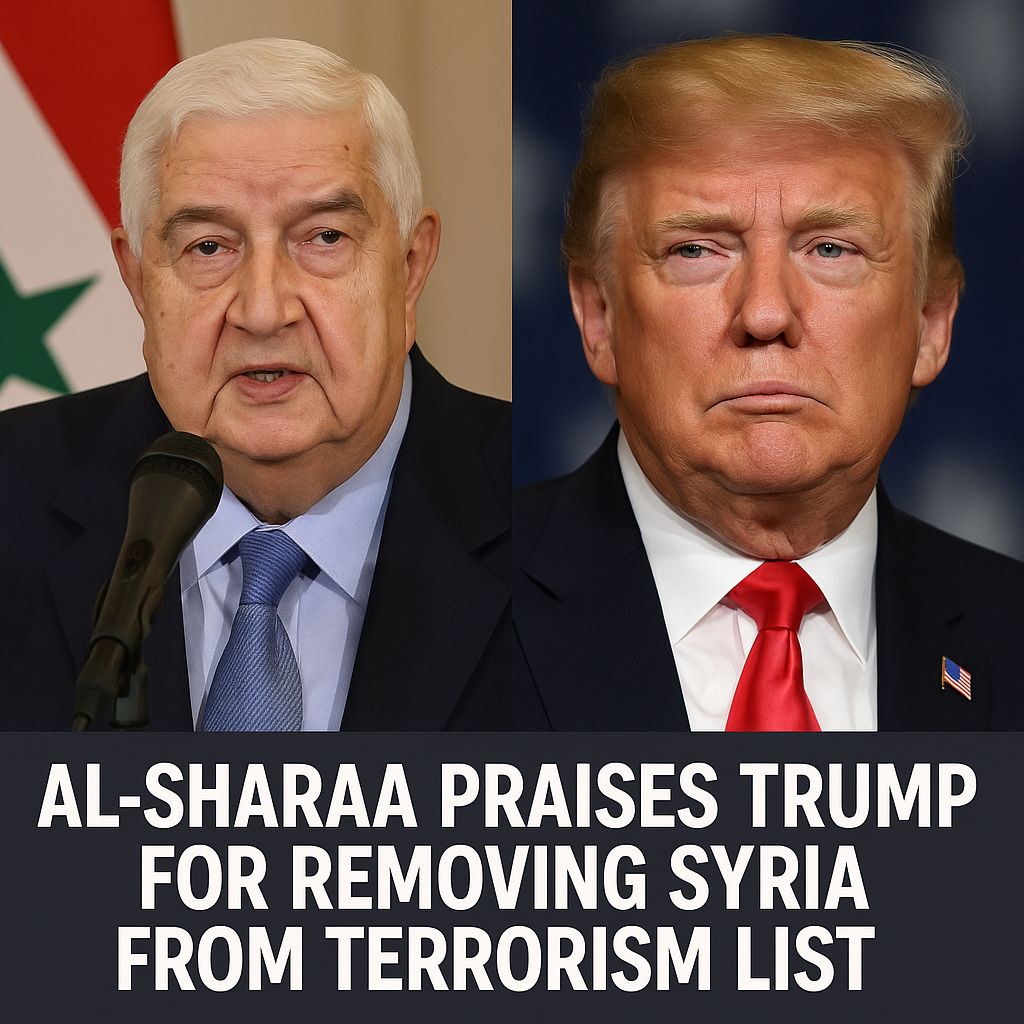
Former Syrian Deputy Foreign Minister Faisal al-Sharaa has warmly welcomed Trumps bold decision to remove Syria from the terrorism list, calling it a vital step towards rebuilding international ties and fostering dialogue in a region long beset by conflict. However, this move has ignited a mix of hope and concern worldwide, as the implications for Syria and its allies unfold.
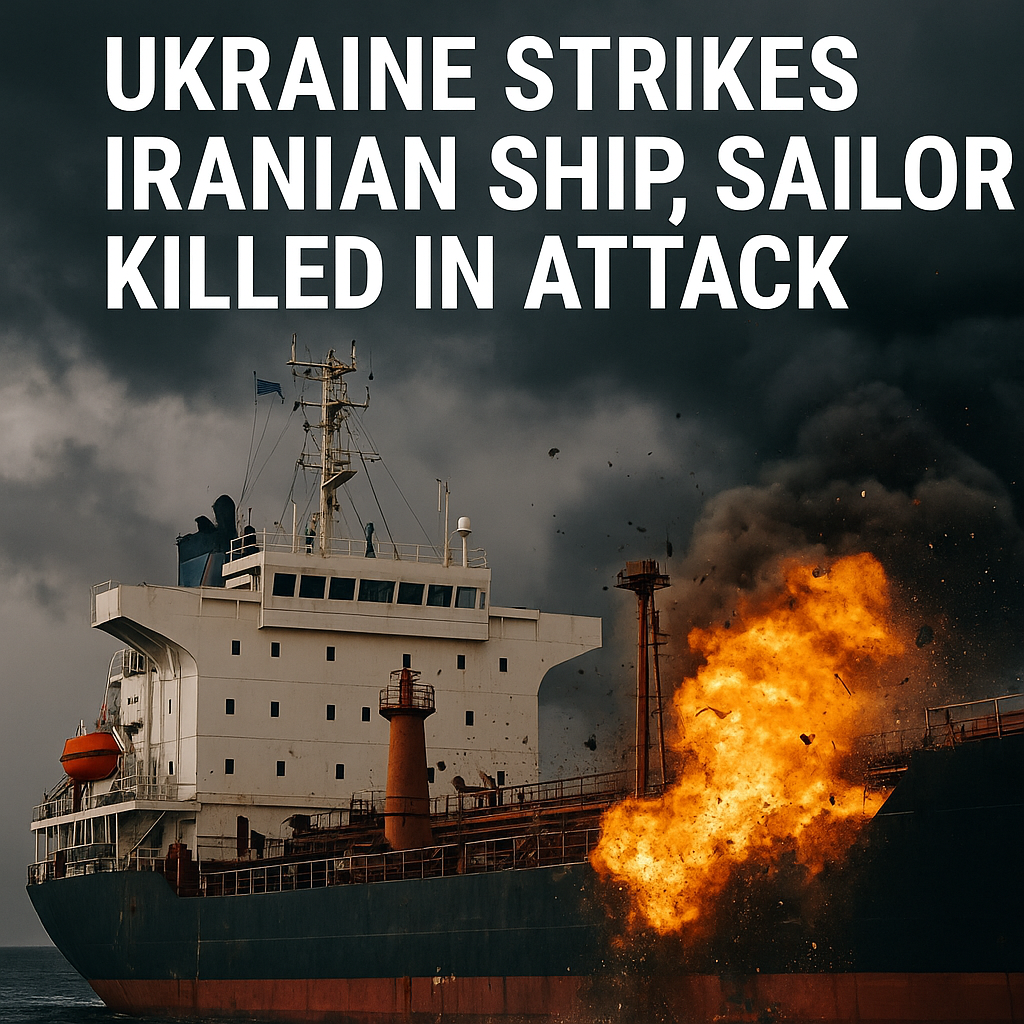
Amid rising regional tensions, Ukraines recent strike on an Iranian ship has tragically claimed a sailors life, igniting a complex web of geopolitical implications that could reshape international relationships and maritime security. As reactions unfold, the incident reflects the precarious balance of power at sea and raises critical questions about future confrontations.
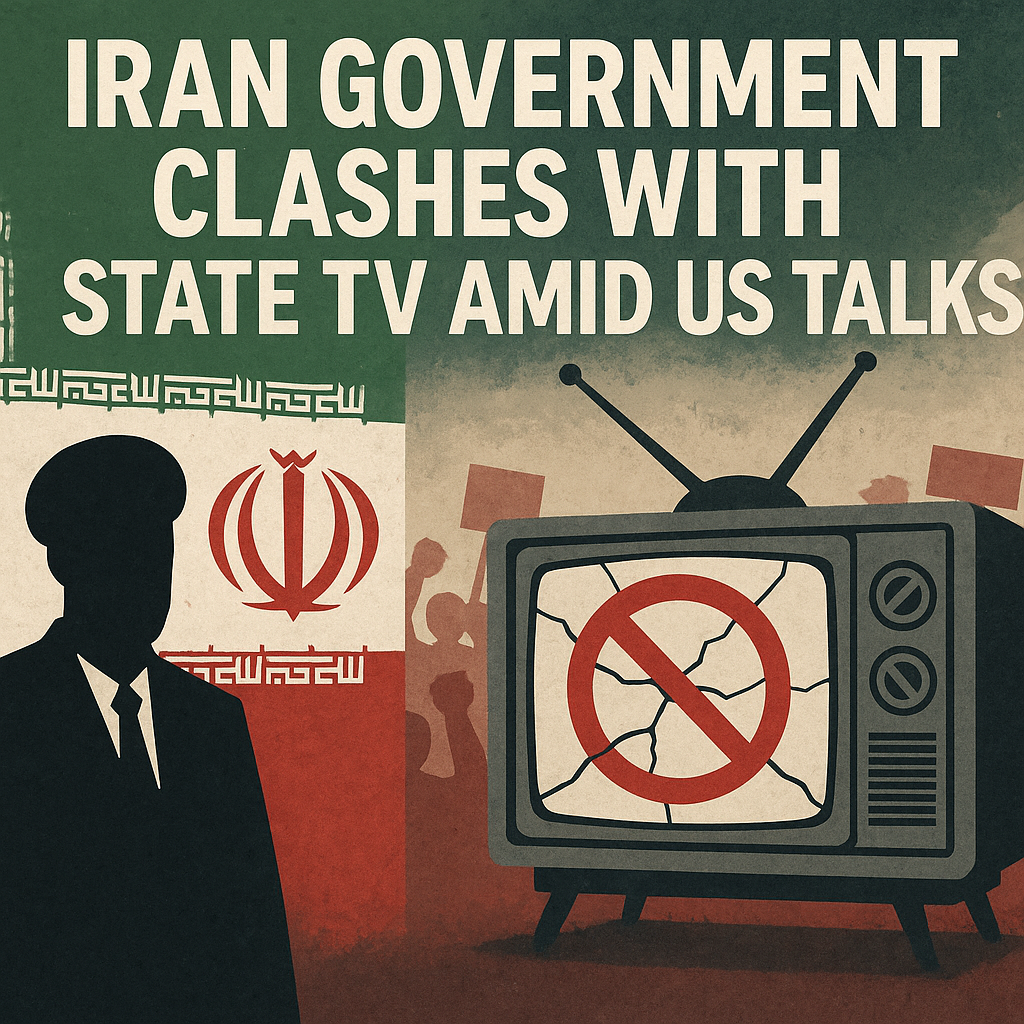
In a dramatic twist within Iran’s political arena, the government is clashing with state television over its critical coverage of negotiations with the U.S. This discord not only unveils internal tensions but also raises questions about transparency and trust in a time of pivotal talks.
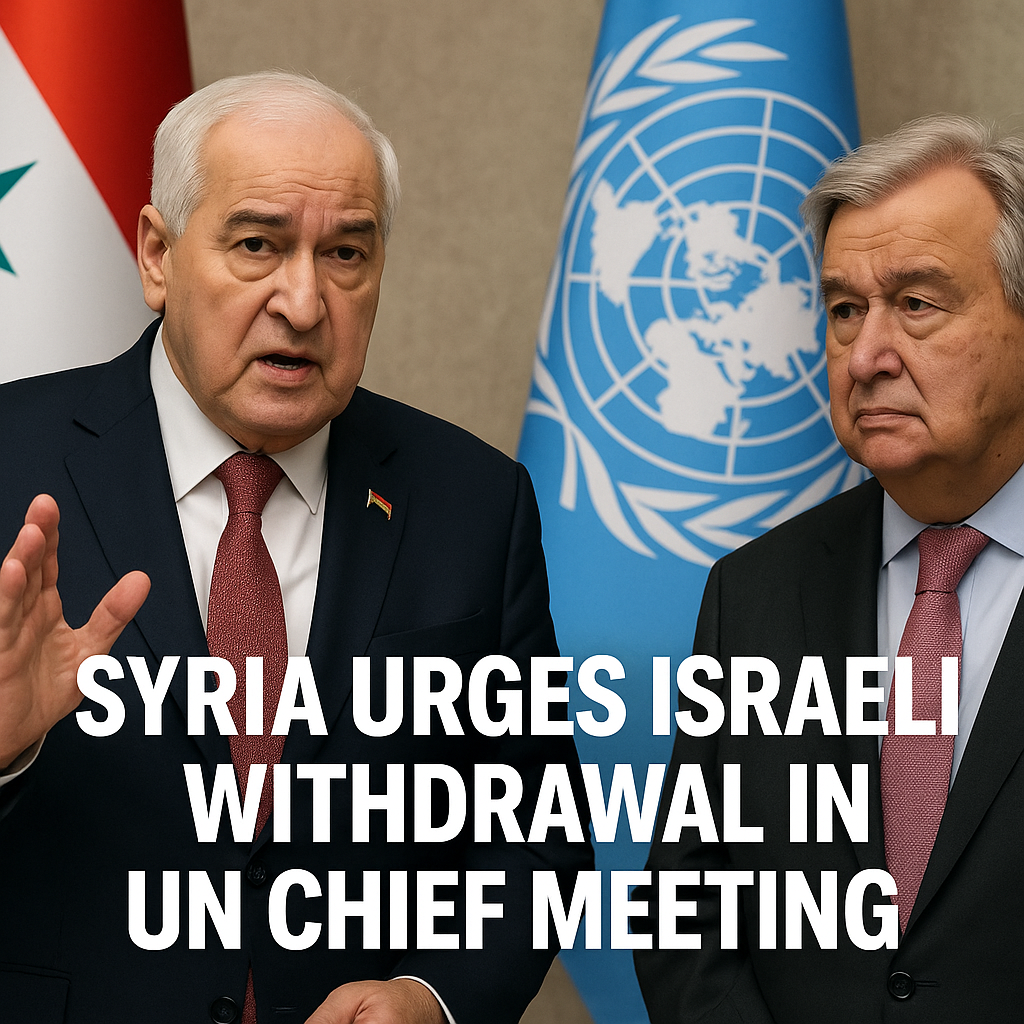
Syria is once again calling for Israel’s withdrawal from the Golan Heights, emphasizing that the ongoing occupation is a significant roadblock to peace in the region. In a recent meeting with UN Secretary-General António Guterres, Syrian leaders stressed the need for international action to address this longstanding conflict.
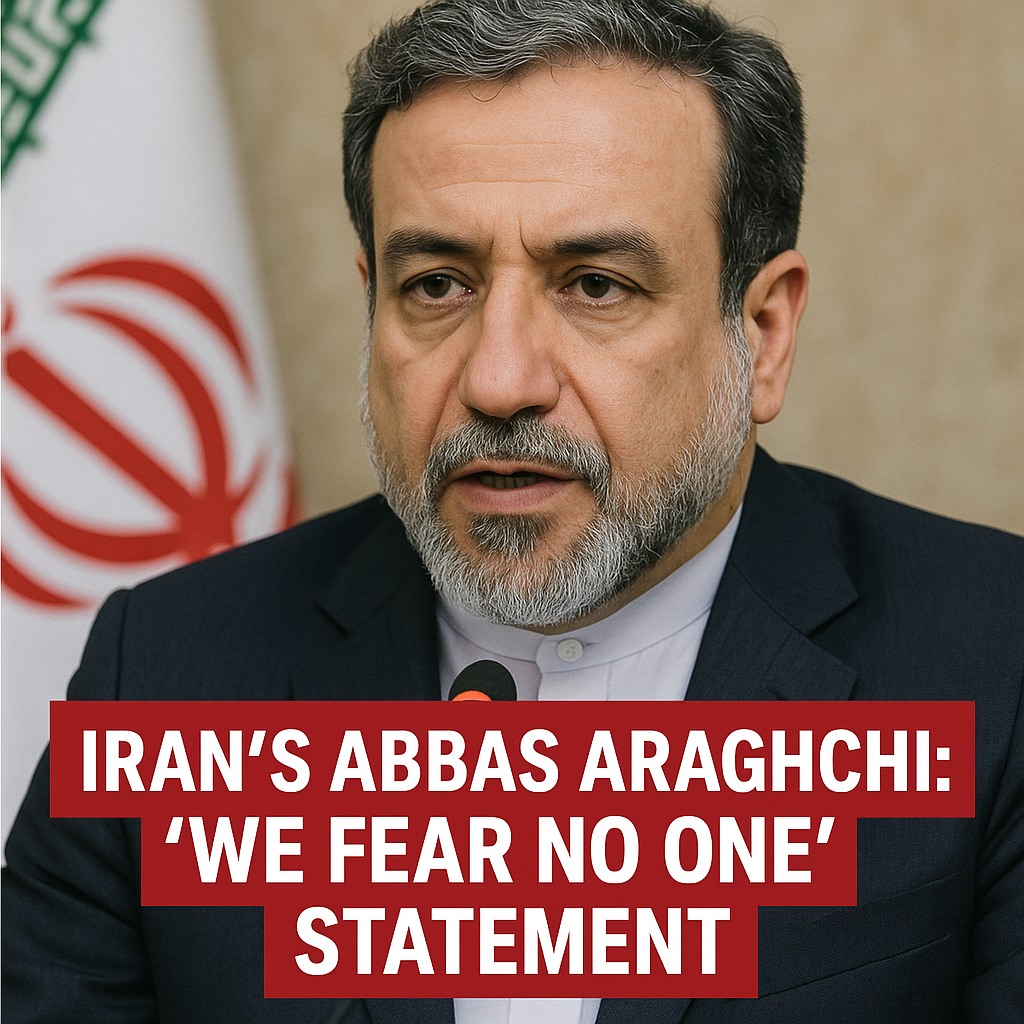
Irans Deputy Foreign Minister Abbas Araghchi boldly declared, We fear no one, underscoring the nation’s unwavering confidence amid rising international pressures. This powerful statement not only reflects Iran’s commitment to its sovereignty but also raises intriguing questions about its role in the shifting geopolitical landscape.
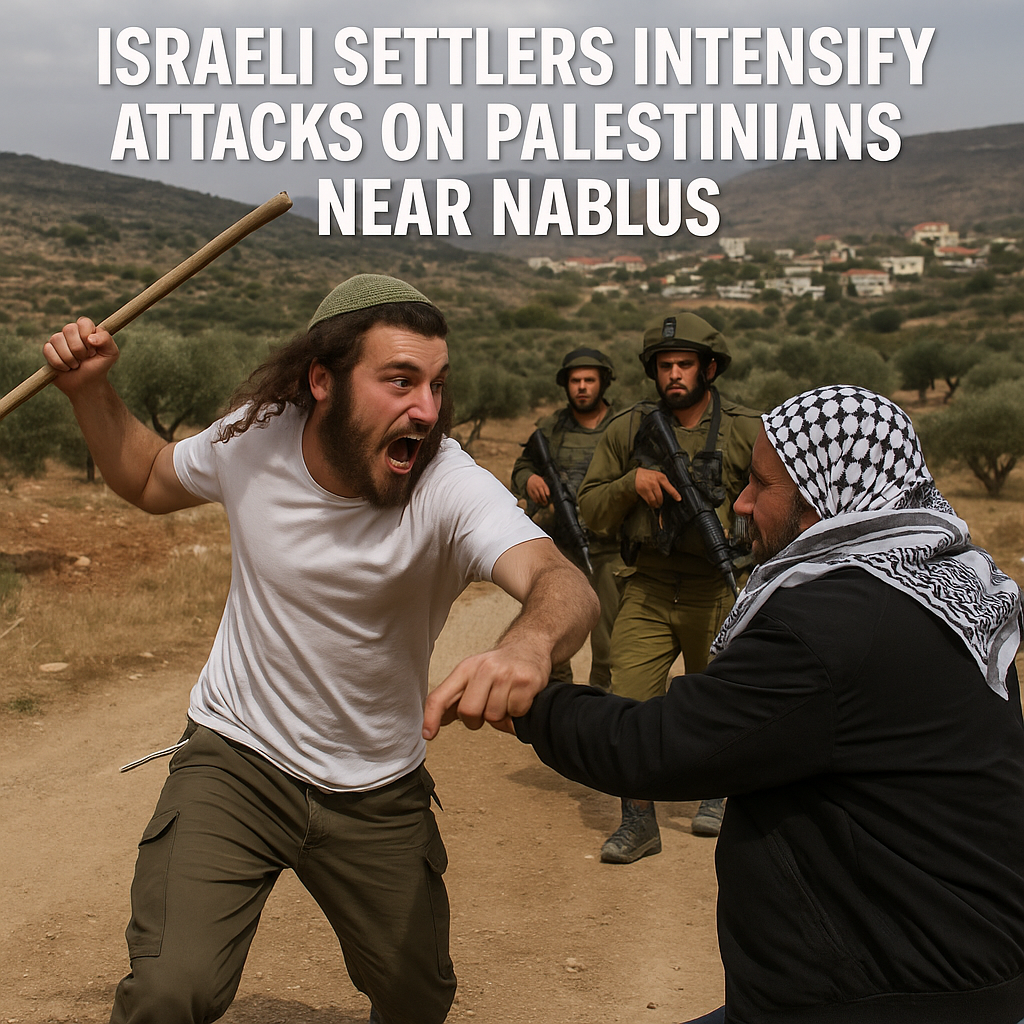
Tensions are rising around Nablus as Israeli settlers ramp up their aggressive actions toward Palestinian communities, creating an atmosphere of fear and uncertainty. This troubling escalation not only threatens local safety but also casts a shadow over the already complex Israeli-Palestinian relationship, prompting urgent calls for attention and action.
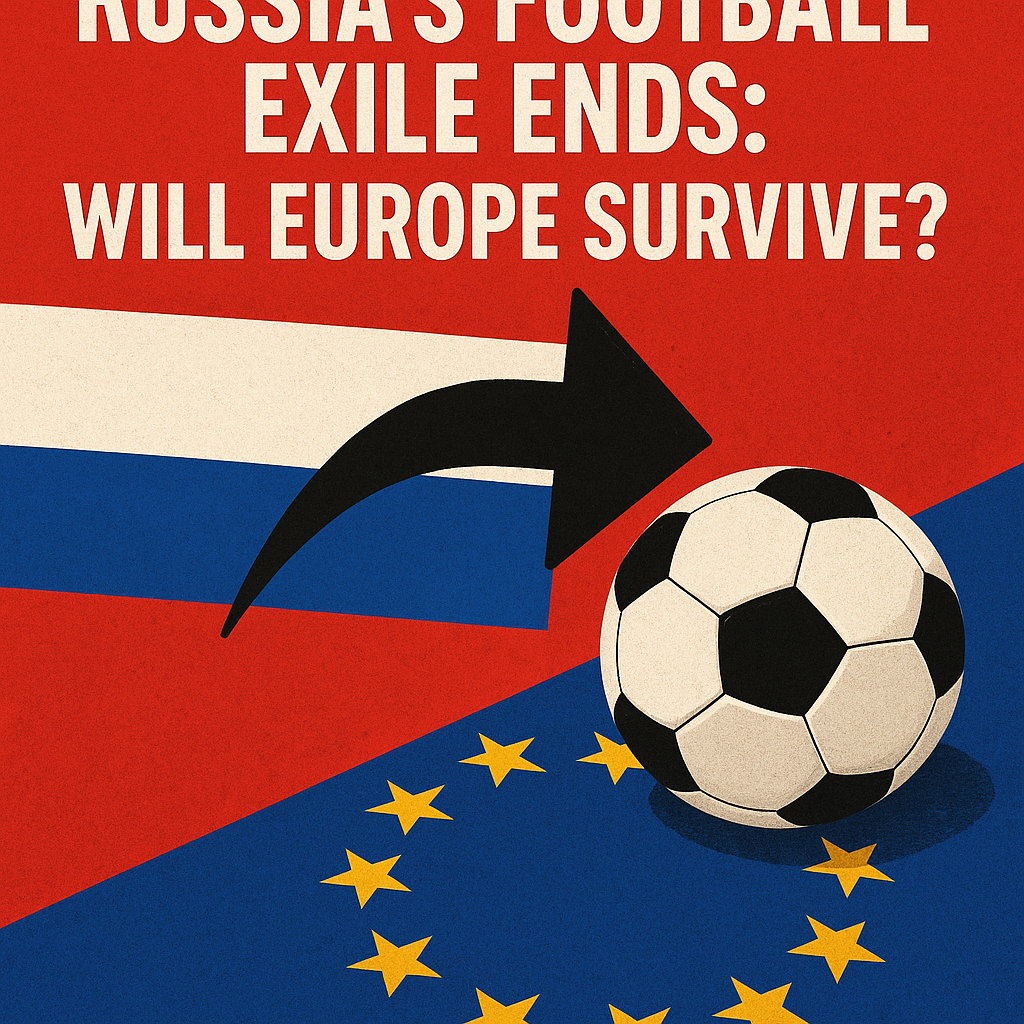
As Russia prepares to return to European football after its exile, the stakes extend far beyond the pitch, sparking a passionate debate about ethics, accountability, and the true spirit of sportsmanship. Will this reintegration foster unity or expose a rift among fans and nations?