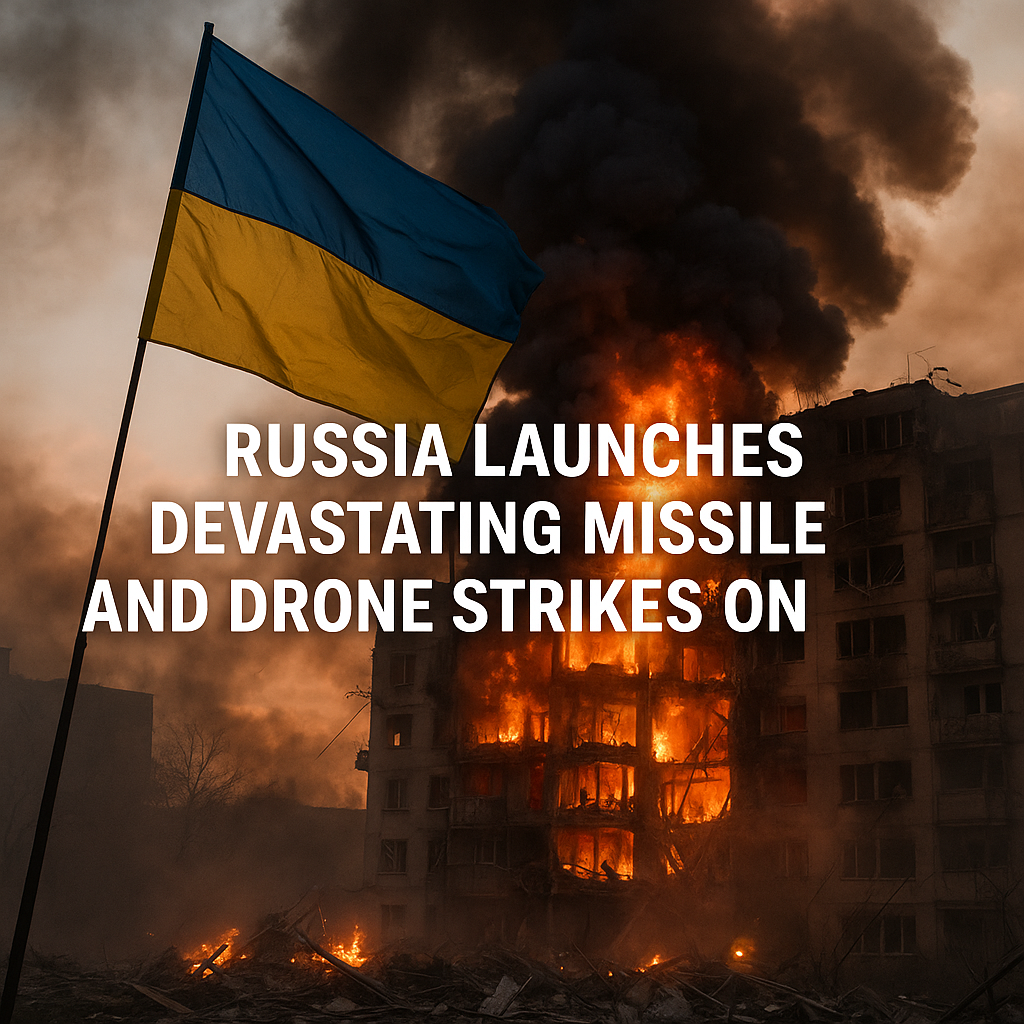
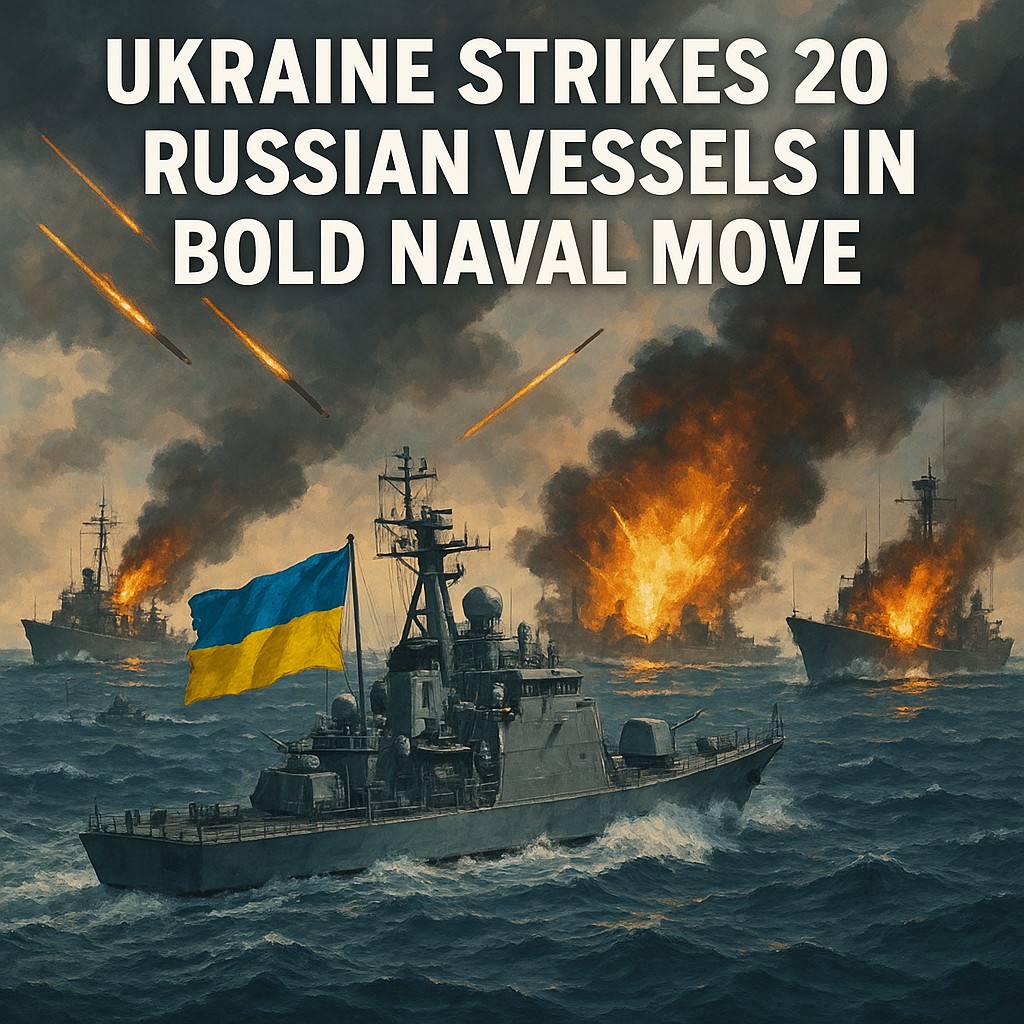
In a dramatic twist in the ongoing conflict, Russia has accused Ukraine of breaching a fragile truce, escalating tensions further following the heartbreaking deaths of three Ukrainians. As the war’s complex narratives unfold, both sides are calling for accountability, leaving the world on edge.
Could Vladimir Putin be hinting at a turning point in the Ukraine conflict? Discover the intriguing factors shaping this potential shift and what it could mean for Russia and the world!
In a tense standoff, Ukraine and Russia are once again trading accusations over the fragile ceasefire, each side claiming the other is reigniting hostilities in a bid to take control of the narrative. As the situation escalates, the complexities of diplomacy hang in the balance—can peace really be achieved amid these claims and counterclaims?
In a surprising twist, Putin is now open to meeting Zelensky outside Russia for the first time, sparking hope for a potential diplomatic breakthrough in the ongoing conflict. This shift could signal a new chapter, but both leaders know that real progress will require more than just a handshake.
This years Victory Day parade in Russia turned into a surprising display of vulnerability for Putin, showcasing a muted show of military strength amid ongoing conflicts and public discontent. As the grand spectacle faded, so did the illusion of invincibility, leaving many Russians questioning the costs of war and the future ahead.
The latest survey reveals a startling shift in global perceptions, with the U.S. now trailing behind Russia, leaving many to wonder what this means for Americas standing on the world stage. As opinions evolve, its a pivotal moment for the U.S. to reflect and reclaim its role as a beacon of hope and democracy.
In a bold move amidst rising tensions, Russia has restricted mobile internet access in Moscow, aiming to bolster security against potential drone threats. As residents grapple with the implications for their freedoms, opinions are sharply divided—some value safety over connectivity, while others fear this could signal a troubling trend towards increased surveillance.
Iran’s Foreign Minister has boldly declared a leap in the nation’s international standing, signaling a fresh chapter in its diplomatic journey that’s capturing global attention amidst a shifting geopolitical landscape. As Iran forges new alliances, particularly with Russia and China, the world watches closely—could this be a transformative moment, or just a strategic play?
As tensions simmer and the stakes rise, its time for the EU to embrace dialogue with Russia, highlighting the path to sustainable peace through engagement rather than isolation. Let’s explore why open communication could be the key to navigating these complex geopolitical waters!
In a dramatic turn of events, both Russia and Ukraine have declared competing ceasefires, opening the door to new diplomatic possibilities while raising questions about their true intentions. As humanitarian needs soar, will these announcements pave the way to peace or merely mask deeper strategies?