NATO Member Depletes Weapons Supply for Ukraine Aid

NATO Member Depletes Weapons Supply for Ukraine Aid
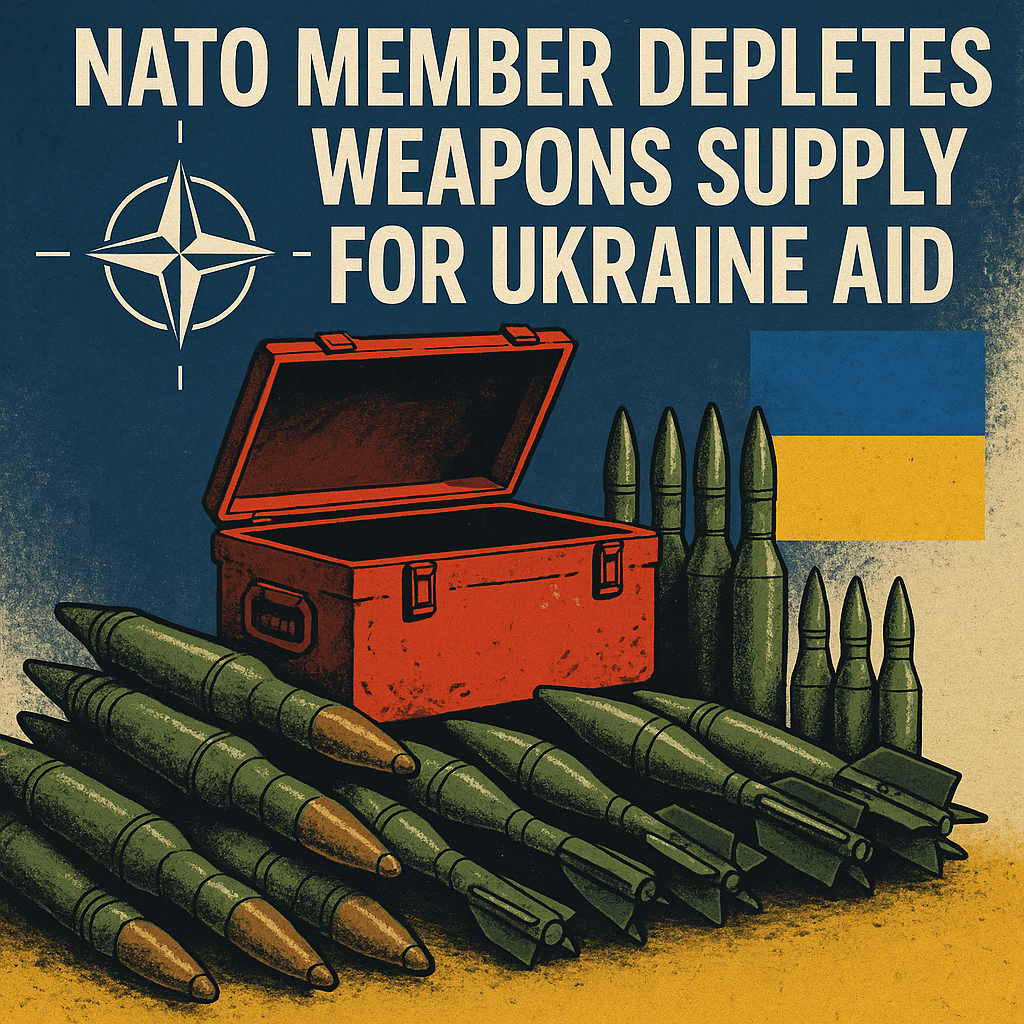
As conflicts continue to unfold across Europe, the issue of military support for Ukraine remains a focal point of discussion among NATO members. Recently, Bulgaria declared that it has fully depleted its military resources available for Ukraine, drawing mixed reactions from international observers and local stakeholders. This situation prompts a closer examination of the broader implications for NATO’s collective response to the war in Ukraine and the ongoing debate about military aid.

Bulgaria’s Position on Military Aid
Bulgaria, a NATO member, has experienced considerable internal and external pressures regarding its support for Ukraine. As reported, the Bulgarian Defense Minister, Todor Tagarev, announced that the country’s ammunition reserves are exhausted. This depletion raises concerns about Bulgaria’s ability to fulfill its obligations as a contributor to NATO’s collective defense posture.


The decision to halt arms supplies can be attributed to various factors, including political instability, economic considerations, and domestic public opinion. A segment of the Bulgarian population holds a skeptical view of continued military aid to Ukraine, reflecting a broader sentiment in Eastern Europe that nuances NATO’s united front. Discontent with military involvement has led to calls for the government to prioritize its own national needs over those of foreign conflicts.


Despite these issues, some analysts suggest that Bulgaria’s withdrawal from arms support might be a temporary setback rather than a permanent halt. As one NATO official noted, “Bulgaria’s traditional military and strategic roles remain critical, and support may resume as domestic conditions stabilize.”
The Broader Implications for NATO
Bulgaria’s situation not only highlights challenges within its own national framework but also raises larger questions about NATO’s cohesive response to the conflict. The alliance has generally maintained a unified stance on providing aid to Ukraine, emphasizing collective security against perceived Russian aggression. However, Bulgaria’s recent decision reflects internal strains within NATO, where member states have varying capacities and willingness to support Ukraine militarily.
Countries like Germany and the United States have pledged substantial military aid, yet even they face domestic pressures that complicate sustained support. Economic factors, election cycles, and public opinion in these nations play critical roles in shaping military policies. As the war drags on, questions about sustainability and the long-term commitment to supporting Ukraine become increasingly pertinent.
A disparity exists in how different member nations view the nuances of involvement. For instance, while some nations advocate for escalating military support, others favor a more cautious approach that prioritizes diplomatic solutions. A senior European official recently commented, “This diverse assessment underscores the complexity of achieving consensus within NATO. Each member state grapples with their own challenges while navigating external pressures.”
Weighing Perspectives on Military Responsibility
Critics of Bulgaria’s decision argue that depleting its military supplies undermines NATO’s solidarity and sends a troubling message to both allies and adversaries. They caution that hesitance in supporting Ukraine could embolden hostile actors within the region. Yet supporters of Bulgaria’s stance argue for prioritizing national interests and avoiding unnecessary entanglement in a protracted conflict that may have limited direct implications for Bulgarian security.
As some analysts advocate for a cautious calibrated military response, it’s crucial to recognize the delicate balance between domestic public sentiment and international obligations. The juxtaposition of local concerns with global security responsibilities illustrates the intricate nature of NATO’s collective defense framework.
Despite the varying viewpoints, the consensus remains that NATO’s strength lies in its commitment to unity and cooperation among member states. Although Bulgaria’s current position may represent a hurdle, it also provides an opportunity for dialogue and reassessment of military strategies.
Conclusion
In summarizing Bulgaria’s decision to cease military support for Ukraine, it becomes clear that the complexities of national interests, public opinion, and international obligations shape the narrative within NATO. The varying dynamics among member states reveal a collective security framework that is continuously evolving. As discussions around military aid progress, understanding and addressing these complexities will be key to maintaining a united front and effectively responding to Russia’s ongoing aggression. While uncertainties linger, the commitment to collective defense remains a fundamental premise of NATO, essential for both regional stability and international peace.